Malware Delivery via Deceptive Distribution and Evasion Techniques
Malware Intelligence · 3 sources · Updated 5mo ago · First seen Jan 14, 2026
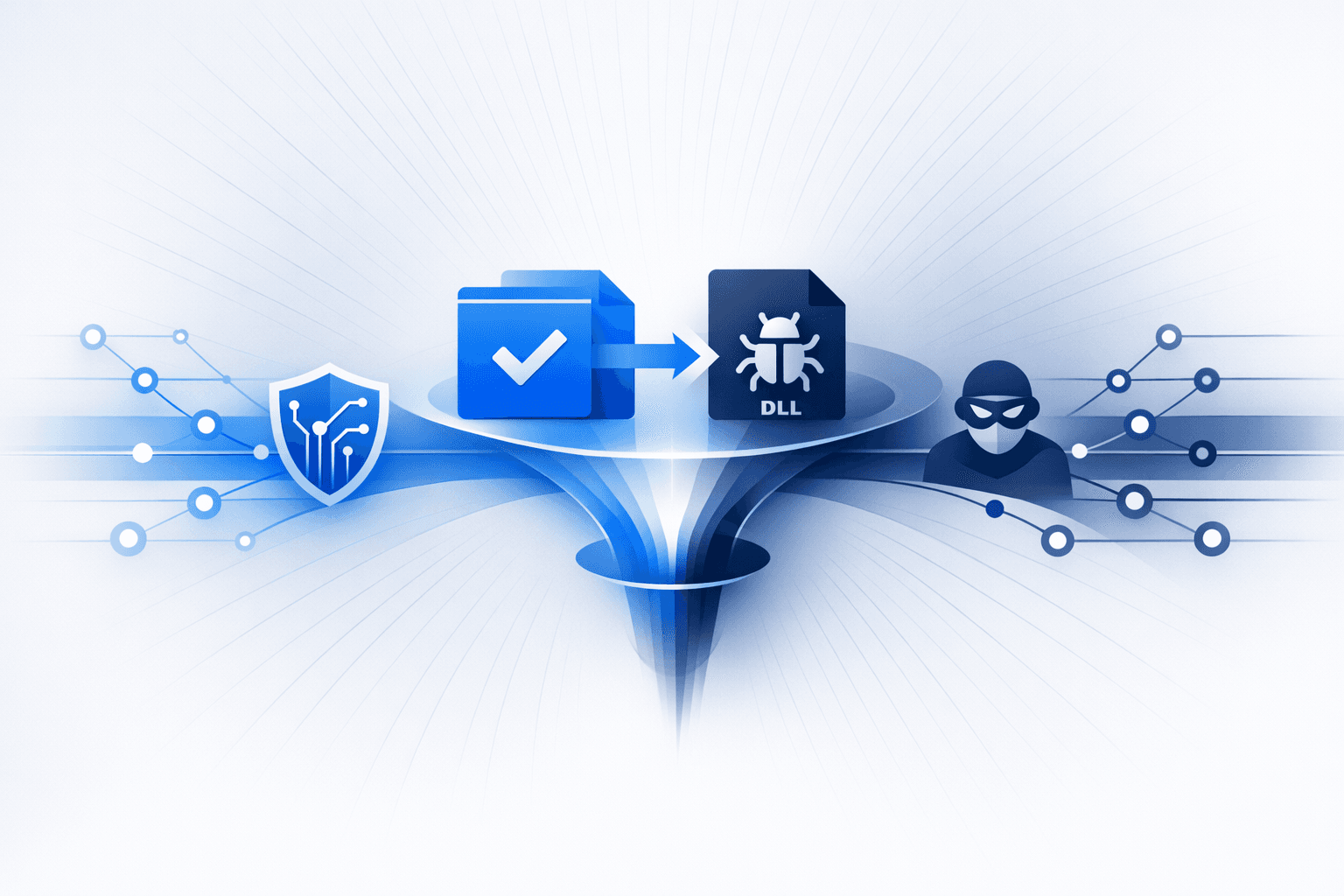
Threat researchers reported multiple active campaigns focused on stealthy malware delivery by abusing trusted execution paths and deceptive distribution. Trellix described attackers using DLL side-loading against a legitimate, signed ahost.exe binary associated with the c-ares ecosystem (commonly seen with GitKraken Desktop) by placing a malicious libcares-2.dll alongside the executable to trigger search-order hijacking and execute attacker code. The activity was linked to delivery of commodity malware families including Agent Tesla, Formbook, Remcos RAT, Quasar RAT, DCRat, XWorm, Vidar Stealer, Lumma Stealer, CryptBot, and others, with targeting observed across business functions (finance, procurement, supply chain, administration) and lures in multiple languages, suggesting regionally focused operations.
Separately, Malwarebytes documented a fake RustDesk download site (rustdesk[.]work) that installs legitimate RustDesk while silently deploying a persistent backdoor framework (Winos4.0) via a trojanized installer (e.g., rustdesk-1.4.4-x86_64.exe), relying on user deception rather than exploiting a software vulnerability. Sucuri detailed a WordPress compromise where attackers modified index.php to perform selective content injection/SEO cloaking, using IP-verified logic with hardcoded Google ASN CIDR ranges to serve malicious content to Googlebot while showing normal content to human visitors and site owners—an evasion technique that can facilitate downstream malware distribution while reducing the chance of detection.
Why it matters
Impact assessment
These campaigns affect enterprise users who download software from untrusted sources, organizations running Windows endpoints, and website owners operating WordPress sites. Observed targeting includes oil and gas, import/export, and business functions such as finance, procurement, supply chain, and administration, with multilingual lures indicating regionally tailored targeting rather than indiscriminate mass exploitation.
The impact is high because the delivered payloads include RATs and stealers capable of credential theft, screenshot capture, keylogging, persistent remote access, and follow-on malware delivery. Operational and financial risk is significant for targeted firms due to account compromise, data theft, business email fraud enablement, and potential downstream intrusion from persistent access.
Supporting facts
- Trellix reported active malware delivery via DLL side-loading using a signed
ahost.exebinary associated with the c-ares ecosystem and commonly seen with GitKraken Desktop. - Malware families delivered include Agent Tesla, Formbook, Remcos RAT, Quasar RAT, DCRat, XWorm, Vidar Stealer, Lumma Stealer, and CryptBot.
- Primary observed targets include employees in oil and gas and import/export organizations.
- Additional targeted roles include finance, procurement, supply chain, and administration.
- Lures were observed in Arabic, Spanish, Portuguese, Farsi, and English.
- Malwarebytes documented a fake RustDesk site,
rustdesk[.]work, distributing a trojanized installer that deploys Winos4.0 while also installing legitimate RustDesk as cover. - Winos4.0 provides persistent remote access, credential theft, screenshot capture, keylogging, and additional payload delivery.
- Sucuri described WordPress
index.phpmodification for selective content injection and SEO cloaking, which can support malware distribution while hiding malicious behavior from normal visitors. - The reporting describes active campaigns and in-the-wild abuse of trusted execution paths and deceptive distribution, but not a single wormable or globally disruptive event.