Windows Malware Campaigns Using Social Engineering and Legitimate Platforms to Deliver RATs, Stealers, and Proxyware
Malware Intelligence · 5 sources · Updated 5mo ago · First seen Jan 20, 2026

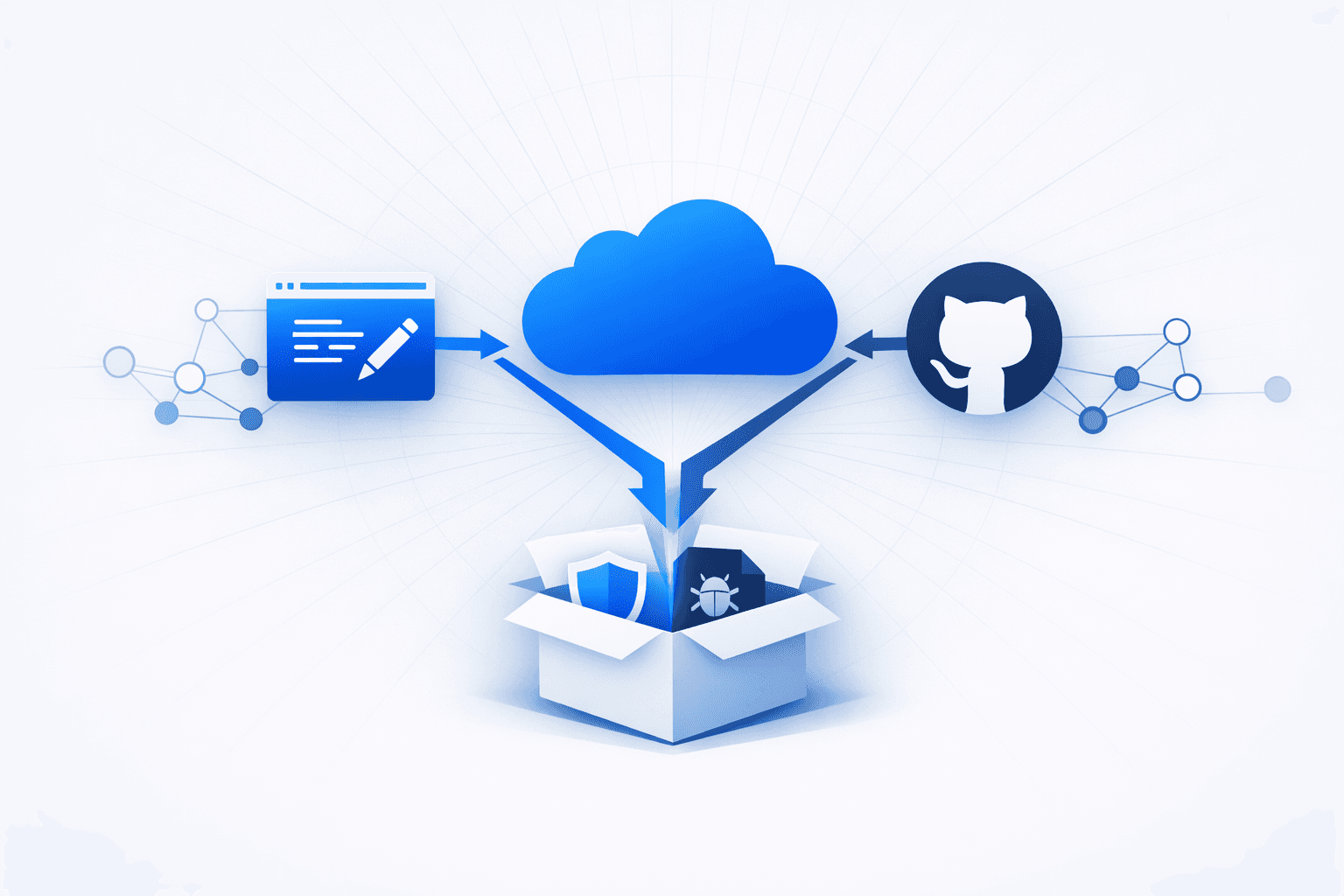
Multiple research reports detailed Windows-focused malware delivery chains that rely on social engineering and abuse of legitimate services to blend into normal enterprise traffic. FortiGuard Labs described a multi-stage campaign targeting users in Russia that starts with business-themed decoy documents and scripts, then escalates to security-control bypass and surveillance before deploying Amnesia RAT and ultimately ransomware with widespread file encryption. A notable technique in that intrusion is the abuse of Defendnot (a Windows Security Center trust-model research tool) to disable Microsoft Defender, while payloads are hosted modularly across public cloud services (e.g., GitHub for scripts and Dropbox for binaries) to improve resilience and complicate takedowns.
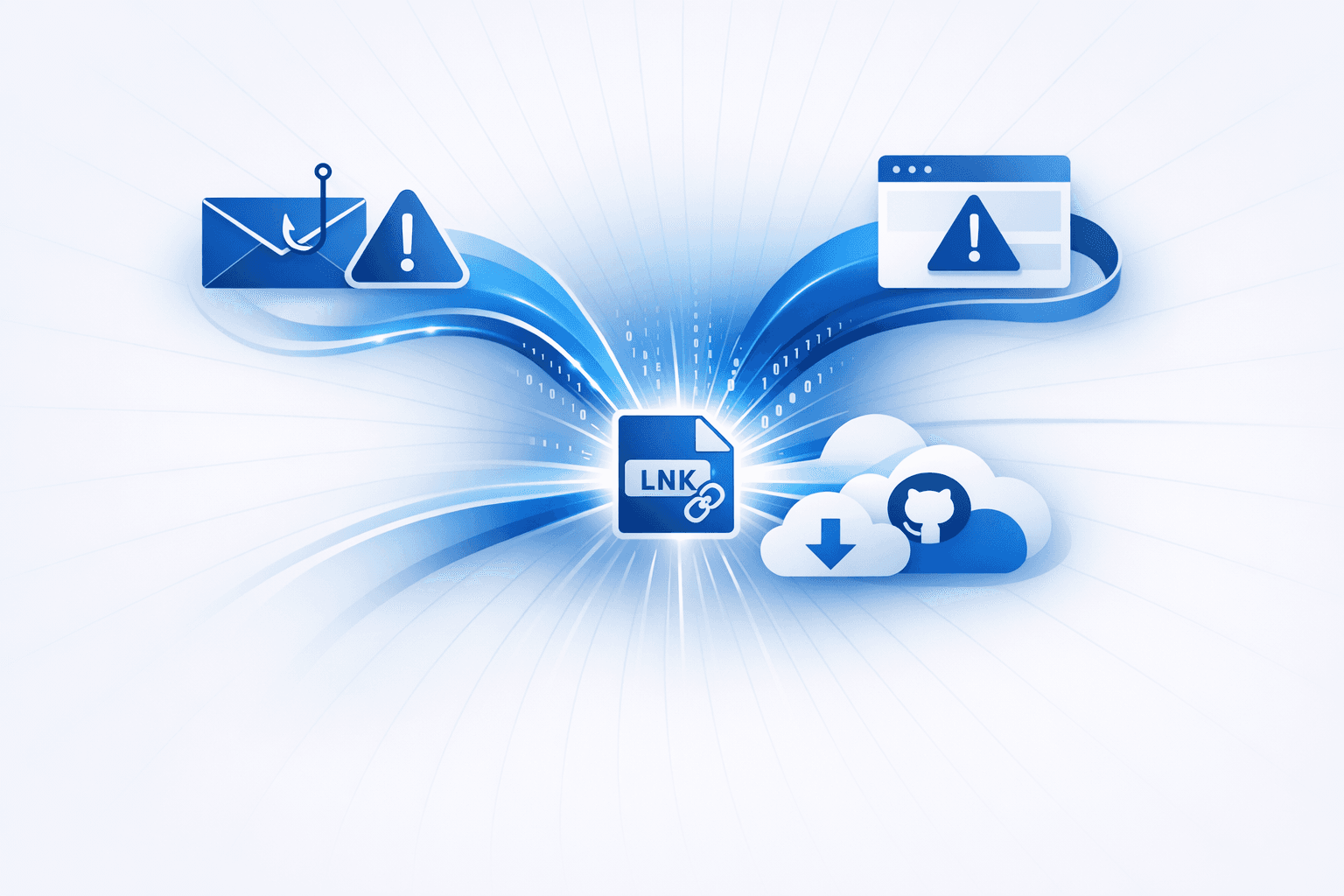
Separately, ReliaQuest reported attackers using LinkedIn private messages to build trust with targets and deliver a WinRAR SFX that triggers DLL sideloading via a legitimate PDF reader, then establishes persistence (Registry Run key) and executes Base64-encoded shellcode in-memory to load a RAT-like payload. Trend Micro and Koi Security documented Evelyn Stealer, which weaponizes malicious VS Code extensions to drop a downloader DLL (e.g., Lightshot.dll), run hidden PowerShell to fetch runtime.exe, and inject the stealer into grpconv.exe, exfiltrating data (credentials, cookies, wallets, screenshots, Wi‑Fi credentials) to server09.mentality[.]cloud over FTP. AhnLab ASEC also reported proxyjacking activity in South Korea attributed to Larva‑25012, distributing proxyware disguised as a Notepad++ installer and evolving evasion (e.g., injecting into Windows Explorer and using Python-based loaders) to monetize victims’ bandwidth via unauthorized proxyware installation.
Why it matters
Impact assessment
These campaigns affect Windows enterprise users across multiple exposure points: business users targeted through social engineering, high-value staff contacted over LinkedIn, software developers using VS Code extensions, and consumers or employees downloading software from untrusted portals. Impact ranges from credential and session theft to full ransomware-driven operational disruption and proxyjacking-based resource abuse, with the FortiGuard campaign presenting the highest immediate business risk due to defense suppression, data theft, file encryption, and host lockout.
The scope is mixed: some activity is targeted or regionally concentrated, including Russia-focused malware delivery and South Korea-focused proxyjacking, while the LinkedIn and VS Code extension activity is broader and opportunistic across sectors. Exploitation in the wild is confirmed across all referenced reports, with active delivery chains observed by FortiGuard, ReliaQuest, Trend Micro/Koi Security, and AhnLab ASEC.
Affected populations and business risk
- Microsoft Windows users are the common affected platform across all campaigns.
- Russia-based users were specifically targeted in the FortiGuard multi-stage intrusion.
- High-value individuals across sectors and regions were targeted through LinkedIn direct messages.
- Software developers and organizations with VS Code-dependent engineering teams are exposed to Evelyn Stealer.
- South Korean users downloading software from cracked or fake installer portals are exposed to Larva-25012 proxyjacking.
Severity and consequences
- FortiGuard campaign: high severity due to Defender disablement, surveillance, credential/session theft, ransomware encryption, and WinLocker-induced user lockout.
- LinkedIn campaign: medium to high severity due to likely RAT deployment, persistence, and potential follow-on lateral movement and exfiltration.
- Evelyn Stealer: high severity for developer environments because stolen credentials, cookies, wallets, and cloud-access artifacts can enable broader enterprise compromise.
- Proxyjacking: lower direct destructive impact than ransomware, but still material due to unauthorized bandwidth monetization, persistence, weakened defenses, and potential reputational or policy violations.
Structured facts extracted from references
- Entities: FortiGuard Labs, ReliaQuest, Trend Micro, Koi Security, AhnLab ASEC, Larva-25012.
- Malware/tooling: Amnesia RAT, Hakuna Matata-derived ransomware, WinLocker, Evelyn Stealer, DPLoader, Infatica, DigitalPulse, Honeygain, Defendnot.
- Legitimate platforms abused: GitHub, Dropbox, Telegram Bot API, LinkedIn private messages, VS Code extension marketplace/ecosystem, Python official installer distribution.
- Known in-the-wild activity: yes, all reports describe observed active campaigns rather than theoretical risk.
- Geographic scope: Russia-focused intrusion, South Korea-focused proxyjacking, globally relevant LinkedIn and developer targeting.
- Primary business impacts: credential theft, session hijacking, data exfiltration, ransomware encryption, desktop lockout, persistence, bandwidth theft, and security-control degradation.