Windows Malware Campaigns Abusing Trusted Tools and Cloud Hosting for Stealthy Execution
Malware Intelligence · 3 sources · Updated 5mo ago · First seen Jan 22, 2026
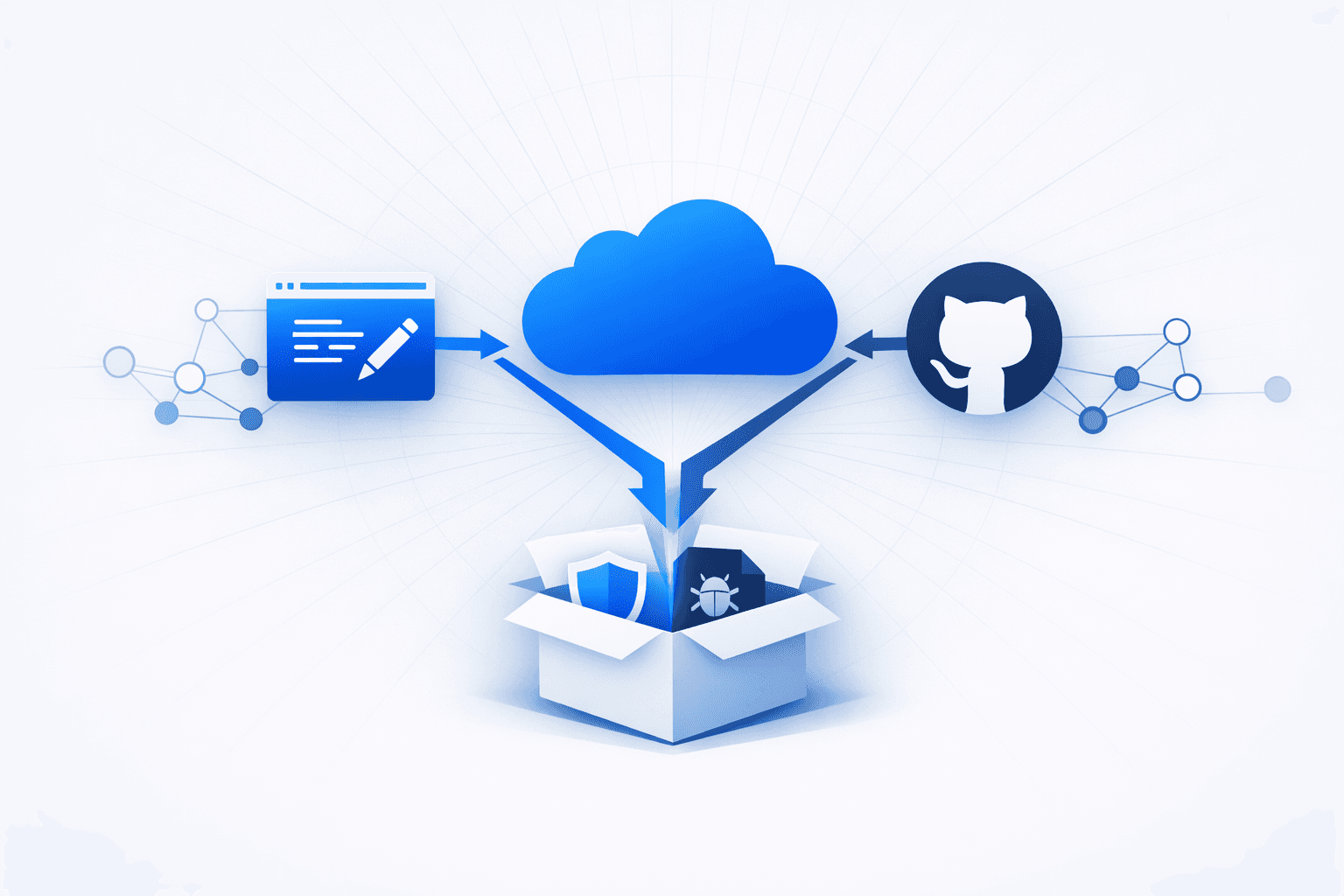
Multiple Windows-focused malware campaigns were reported leveraging trusted distribution and execution paths rather than exploiting software vulnerabilities. One campaign attributed to Larva-25012 disguised proxyware as legitimate Notepad++ installers distributed via fake cracked-software portals and deceptive ads, primarily impacting South Korea. The payloads were hosted on GitHub and delivered as MSI/ZIP packages containing legitimate components plus malicious DLLs, using DLL side-loading and process injection into Windows Explorer to deploy proxyware (e.g., Infatica and DigitalPulse) for proxyjacking—monetizing victims’ internet bandwidth by reselling access through their networks.
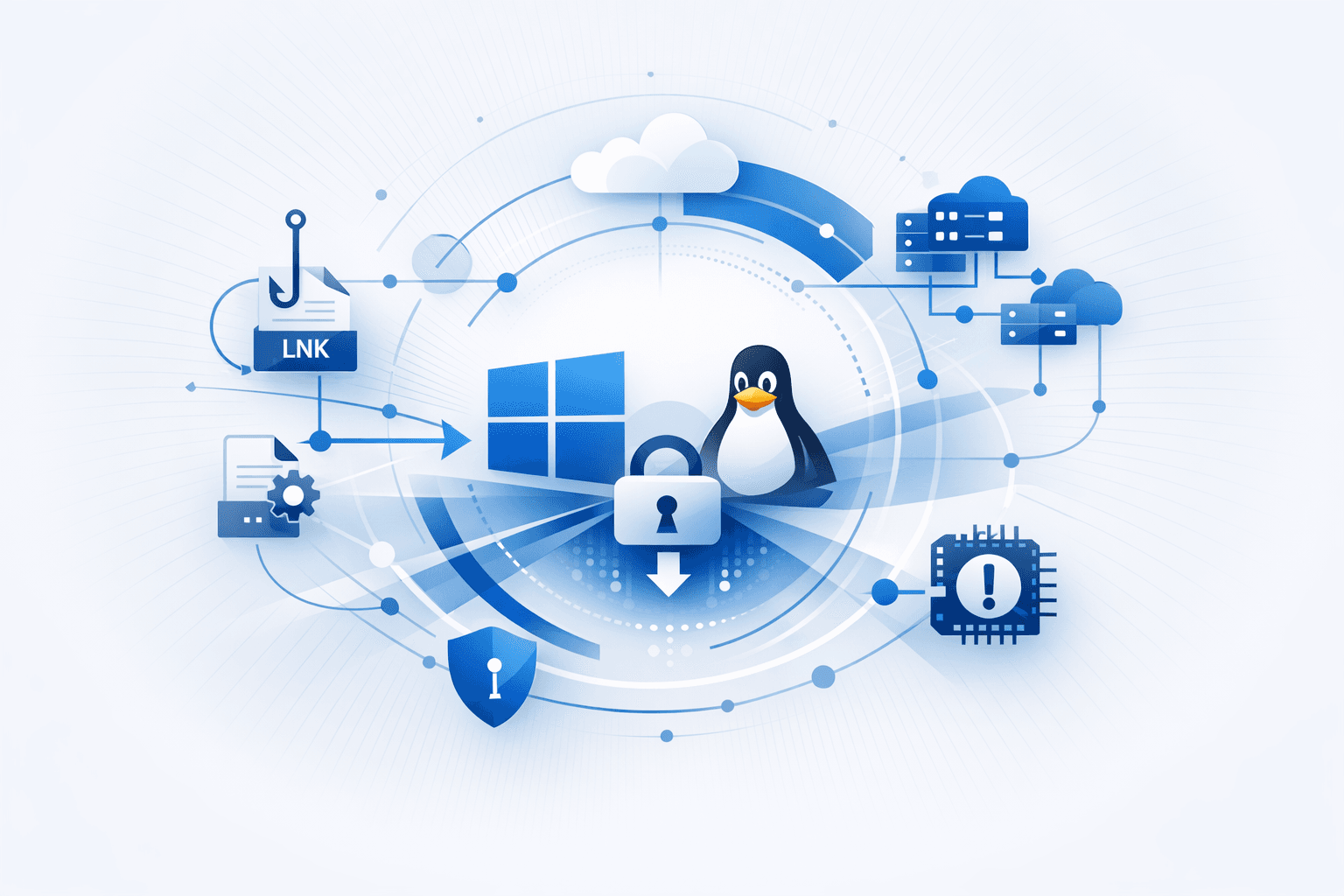
A separate multi-stage Windows malware operation used business-themed lures and weaponized archives containing LNK shortcuts to run hidden PowerShell with execution-policy bypass, pulling an obfuscated loader from GitHub and using legitimate services (e.g., Dropbox) to blend into normal traffic. Fortinet-reported tradecraft included persistence, decoy document generation, and beaconing via the Telegram Bot API, followed by defense evasion through abuse of Defendnot to disable Microsoft Defender before dropping follow-on payloads such as ransomware, banking trojans, and surveillance tooling. Additional reporting highlighted a broader trend of attackers abusing legitimate infrastructure and admin tooling (including RMM software after credential theft) to establish persistent access, while generic “common threats” content provided no incident-specific intelligence.
Why it matters
Impact assessment
These campaigns affect Windows users and enterprises that rely on user-driven software installation, email-delivered documents, and remote administration tooling. Impact ranges from bandwidth theft and stealthy persistent access to credential theft, surveillance, ransomware, and full workstation lockout, with both financially motivated and broader intrusion objectives evident.
Exposure is mixed: the Larva-25012 proxyjacking activity is primarily targeted at South Korean users seeking cracked software, while the LNK/PowerShell and RMM-abuse activity has broader enterprise relevance because it uses trusted infrastructure, signed binaries, and legitimate cloud services. There are reported in-the-wild campaigns, but the reporting describes malware delivery and abuse of trusted tools rather than exploitation of a new software vulnerability.
Supporting facts
- Affected platforms: Windows systems.
- Affected populations:
- Users downloading pirated/cracked software from fake portals and deceptive ads.
- Organizations exposed to phishing, credential theft, and unauthorized RMM deployment.
- Enterprises where GitHub, Dropbox, Telegram, and GoTo traffic is common and may mask malicious activity.
- Industry relevance:
- Broad cross-sector enterprise exposure for phishing and RMM abuse.
- Higher regional concentration in South Korea for the fake Notepad++ proxyware campaign.
- Severity drivers:
- Proxyjacking via Infatica and DigitalPulse monetizes victim bandwidth and can create reputational and network-abuse risk.
- Credential theft plus attacker-controlled GoTo Resolve/LogMeIn deployment enables persistent remote access and potential SYSTEM-level control.
- Multi-stage malware includes Defender suppression, reconnaissance, screenshot exfiltration, browser and wallet theft, ransomware, and WinLocker-based lockout.
- Scope:
- Targeted lure themes and fake software portals indicate selective victim acquisition.
- Use of legitimate cloud hosting and signed tools increases scalability and lowers detection friction.
- Exploitation status:
- Yes, active campaigns are reported in the wild.
- No CVE-based exploitation is described in the reporting.