France Blames Iran for Refrigeration Cyberattacks as Health-ISAC Warns of Cold-Chain Risks
Attack Surface Exposure · 10 sources · Updated 9d ago · First seen Nov 16, 2026
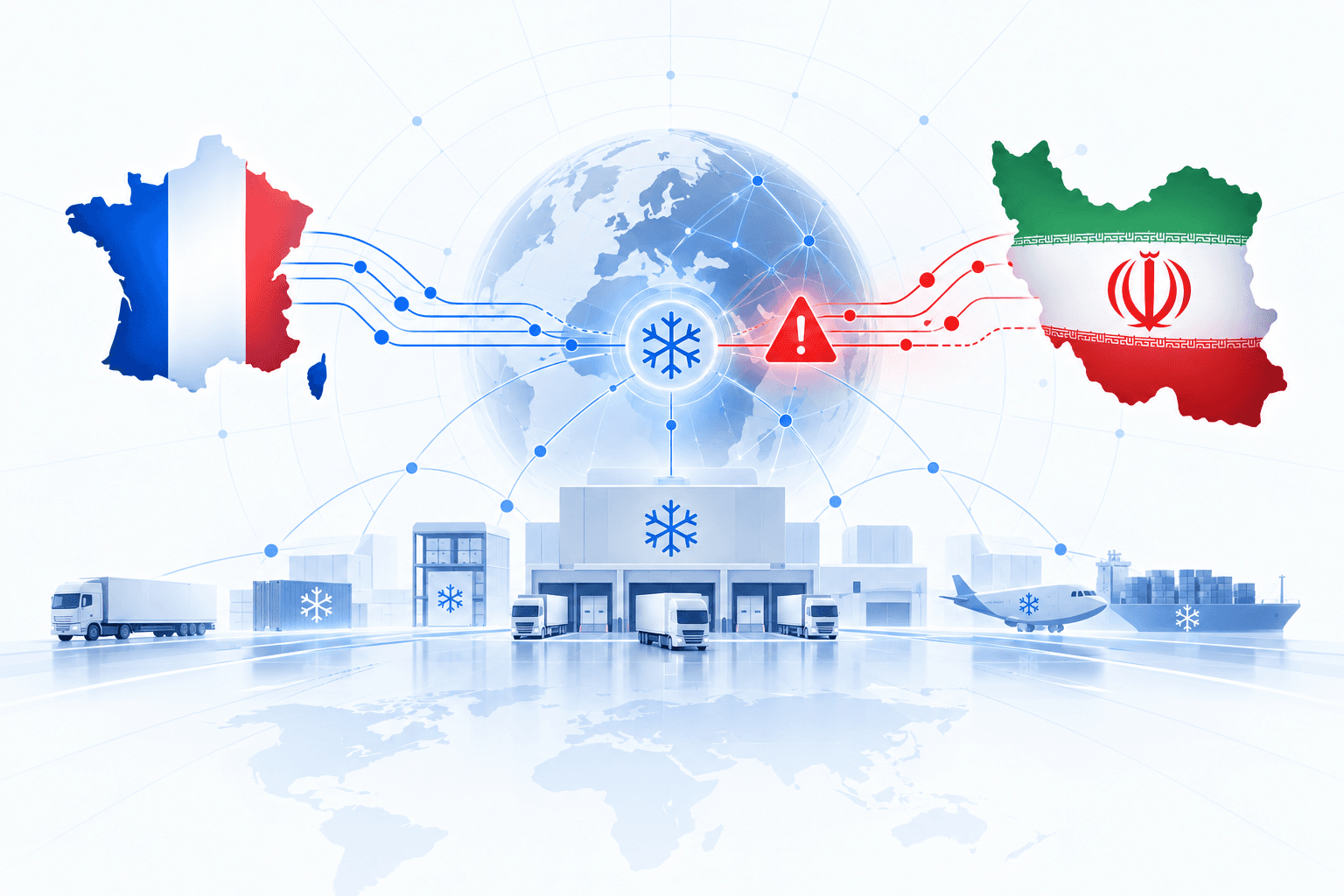
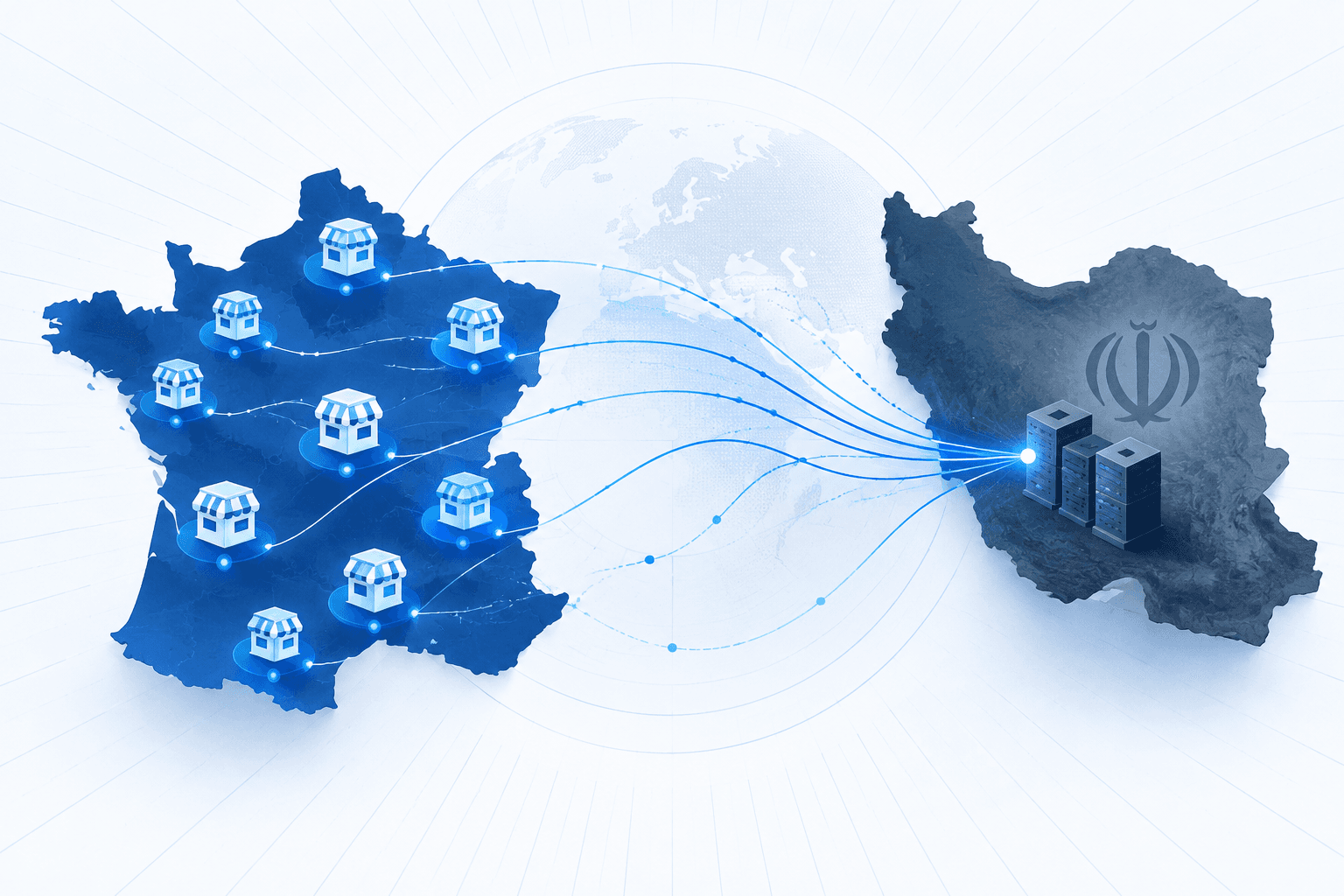
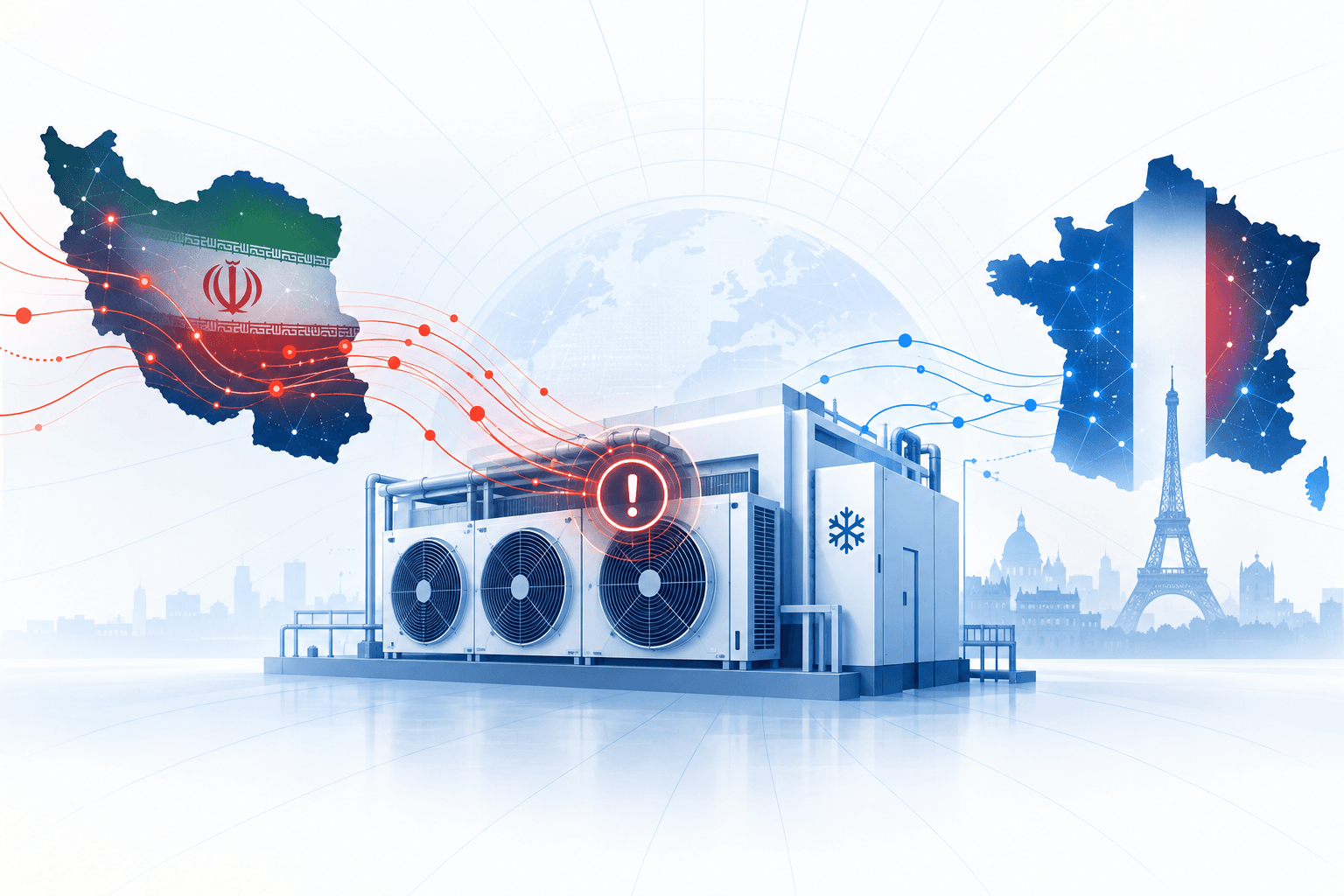
France attributed cyberattacks against refrigeration controllers at approximately 700 French retail sites to Shahid Kaveh, an offensive cyber unit of Iran’s Islamic Revolutionary Guard Corps. The attacks occurred overnight on October 11–12, with refrigeration systems in other European countries also reportedly targeted. Iran rejected the attribution as unfounded. Foreign Minister Jean-Noël Barrot said France hoped to secure EU sanctions at the December 14 ministerial meeting, citing support from a large majority of member states. NoName057(16) and Z-Pentest Alliance separately claimed responsibility, but those claims lack independent forensic corroboration.
An account of a DomainTools intelligence assessment described attackers accessing Internet-exposed Danfoss AK-SM and Copeland/Dixell XWEB management interfaces through default configurations and credentials, then manipulating legitimate controller functions without deploying malware; exploitation of specific vulnerabilities was not established. Separately, Health-ISAC warned healthcare organizations after an incident affecting an unnamed major French blood bank, highlighting risks to blood, plasma, critical therapies, and patient safety. No confirmed damage to medical supplies or attribution was disclosed for that incident. Organizations operating cold-chain systems should prioritize removing controller interfaces from direct Internet exposure, replacing default credentials, and monitoring unauthorized configuration changes.
Why it matters
Refrigeration-control attacks reportedly affected approximately 700 French retail sites on October 11–12, 2026, followed by incidents elsewhere in Europe, causing food spoilage, operational disruption, and reported fires. Healthcare cold storage was also targeted, creating patient-safety risks, although confirmed destruction of medical supplies is not established; suspected incidents at U.S. military commissaries are also reported. France attributes the October attacks to Iran’s IRGC-linked Shahid Kaveh unit, Iran denies responsibility, and neither competing claims nor a common operator across all subsequent incidents is independently established.
- Industry-specific impact: Consumer Staples is directly affected through supermarket refrigeration outages and discarded food, including stores under Delhaize, Carrefour, Spar, Coop, and ICA. Health Care is directly affected through a reported French blood-bank incident; Health-ISAC warns of risks to blood, plasma, and critical therapies, without confirming medical-product losses. Military & Defense has reported exposure through suspected attacks involving six U.S. military commissaries, still under investigation. Sources: retail and commissaries, healthcare.
- Geography-specific impact: France has the clearest documented incident scope, approximately 700 retail sites. Belgium, Estonia, Finland, Ireland, Luxembourg, the Netherlands, and Sweden are identified in subsequent reporting; a secondary account additionally reports Portugal, Romania, Germany, and Italy, plus attempted intrusions against British meat-processing facilities. The United States has suspected military-commissary incidents. These reports differ in detail and do not establish identical intrusion methods or attribution across countries. Sources: France, November wave, additional countries and British attempts, U.S. investigation.
- Jurisdiction-specific obligations: Croatia’s advisory reminds entities covered by its Cybersecurity Act to report significant incidents to the competent CSIRT; this establishes a Croatian reporting obligation, not evidence of Croatian victims (NCSC-HR).
- Severity and uncertainty: Fire counts differ between sources, from at least 15 to approximately 20. Simultaneous outages could strain technicians, replacement equipment, and alternate cold storage, but the theory that these attacks deliberately tested recovery dependencies remains a hypothesis. Proposed EU sanctions at the December 14 ministerial meeting are not enacted sanctions in the supplied reporting.