Refrigeration Cyberattacks Hit European Supermarkets and Target French Blood Banks
Sector Threat Intelligence · 5 sources · Updated 7h ago · First seen Nov 26, 2026
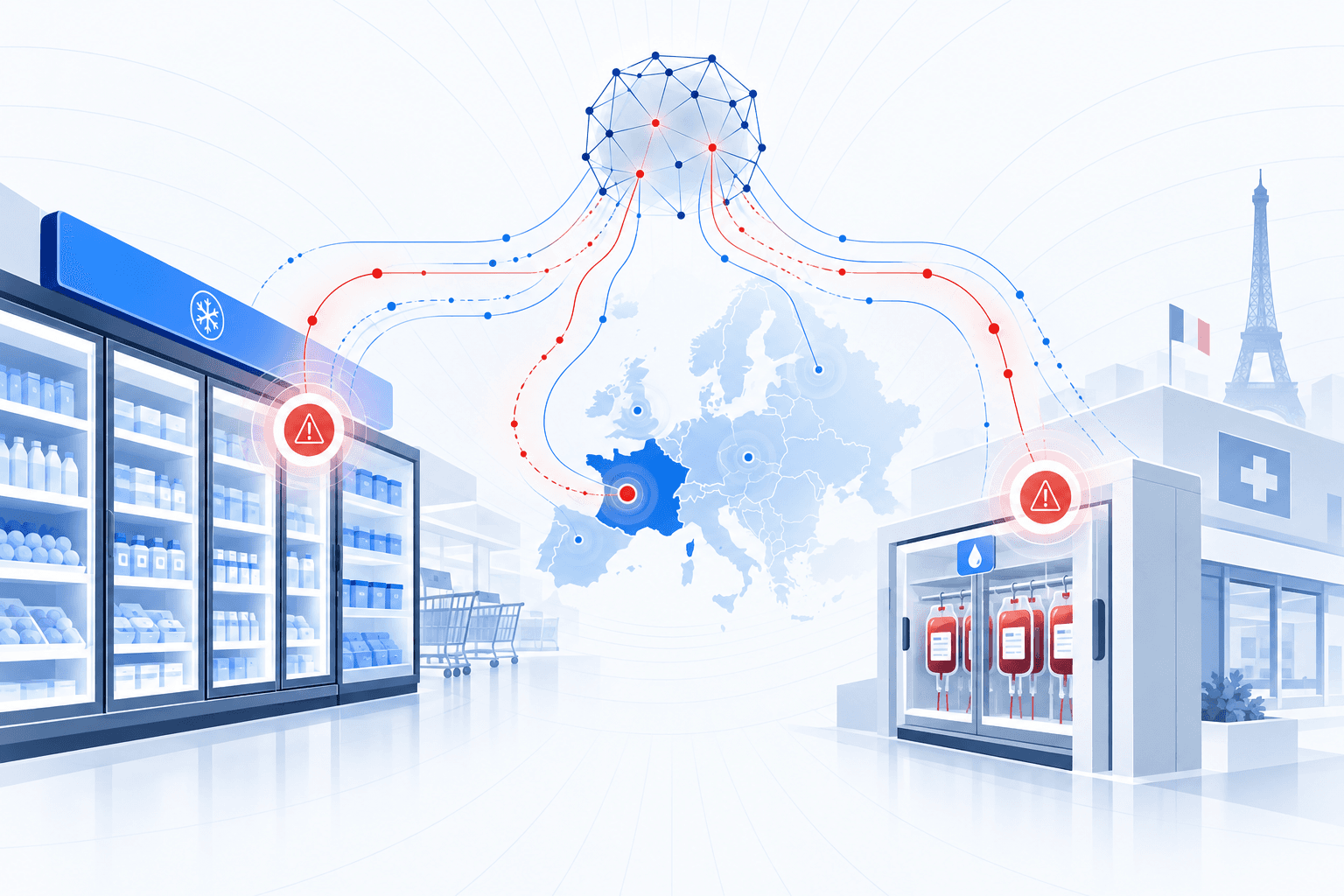
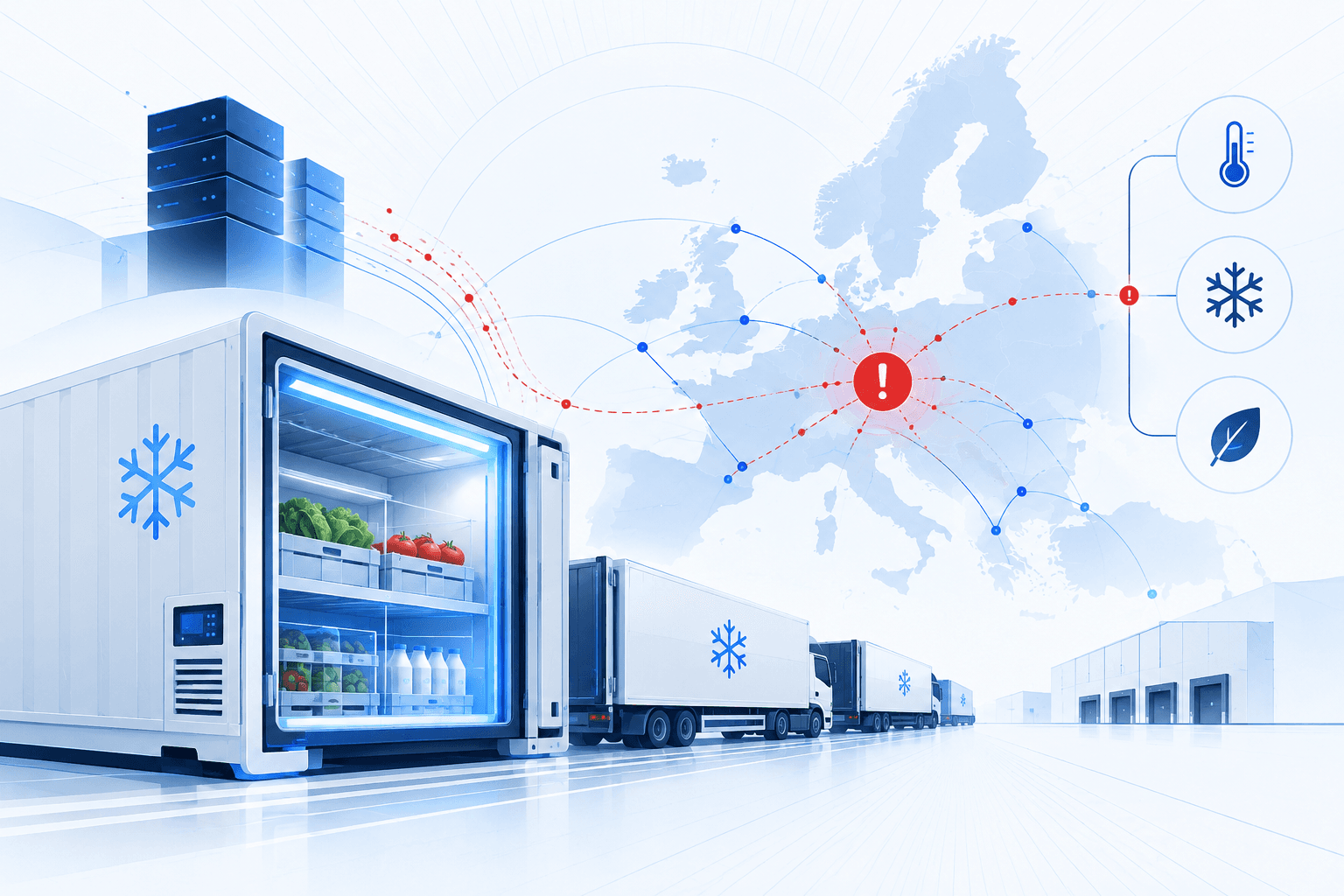
Attackers manipulated refrigeration controls at more than 100 stores across six European countries overnight on November 1–2, following an October attack affecting roughly 700 French supermarkets. Additional incidents were subsequently reported elsewhere in Europe. Attackers forced equipment into defrost mode or raised temperature settings, sometimes to 50°C, causing food spoilage and financial losses. French authorities identified affected Danfoss, Copeland, and Dixell controllers; Danfoss said most compromised units were legacy products it no longer updates. Three French blood banks were also reportedly targeted, but staff protected supplies by moving blood to disconnected refrigerators.
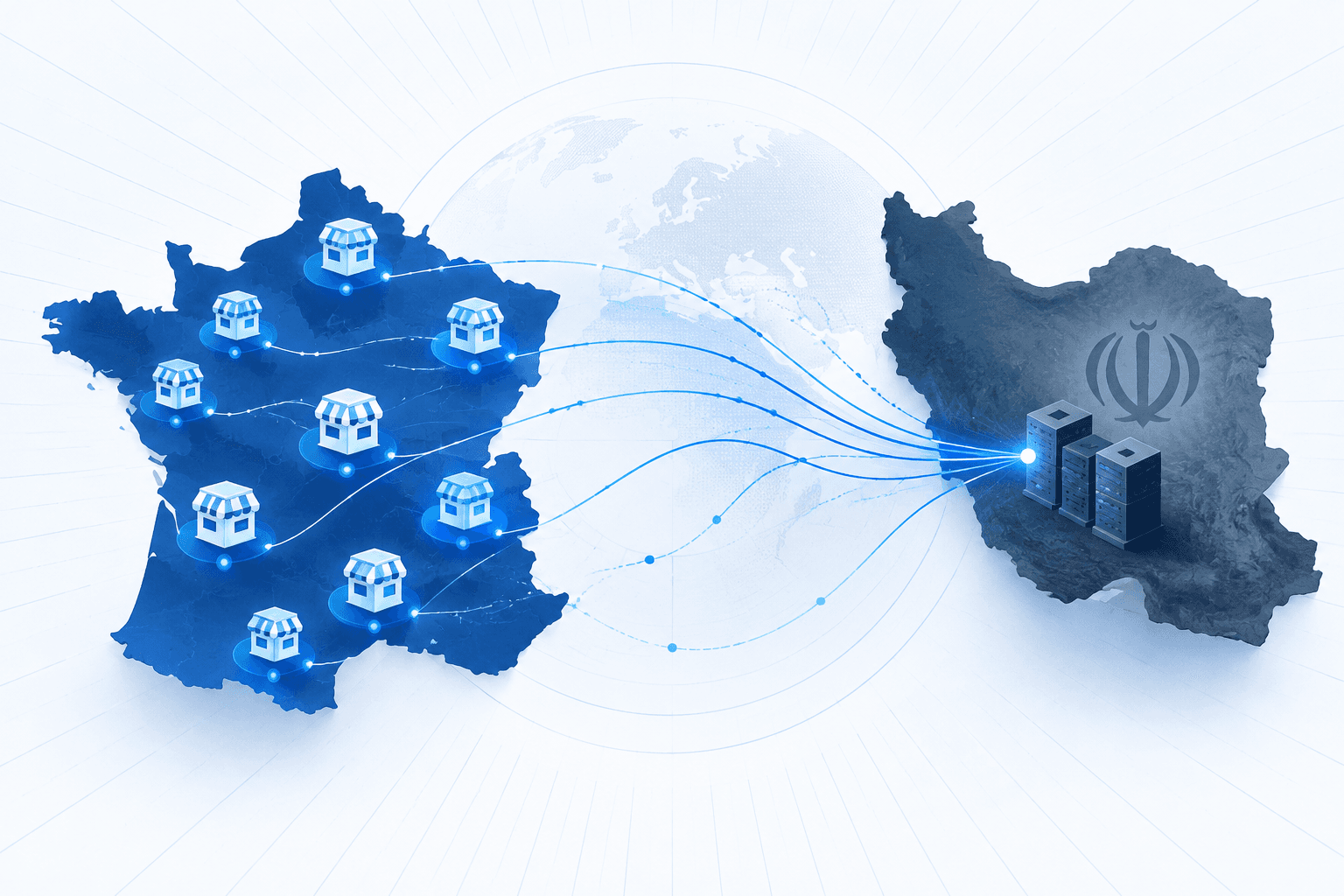
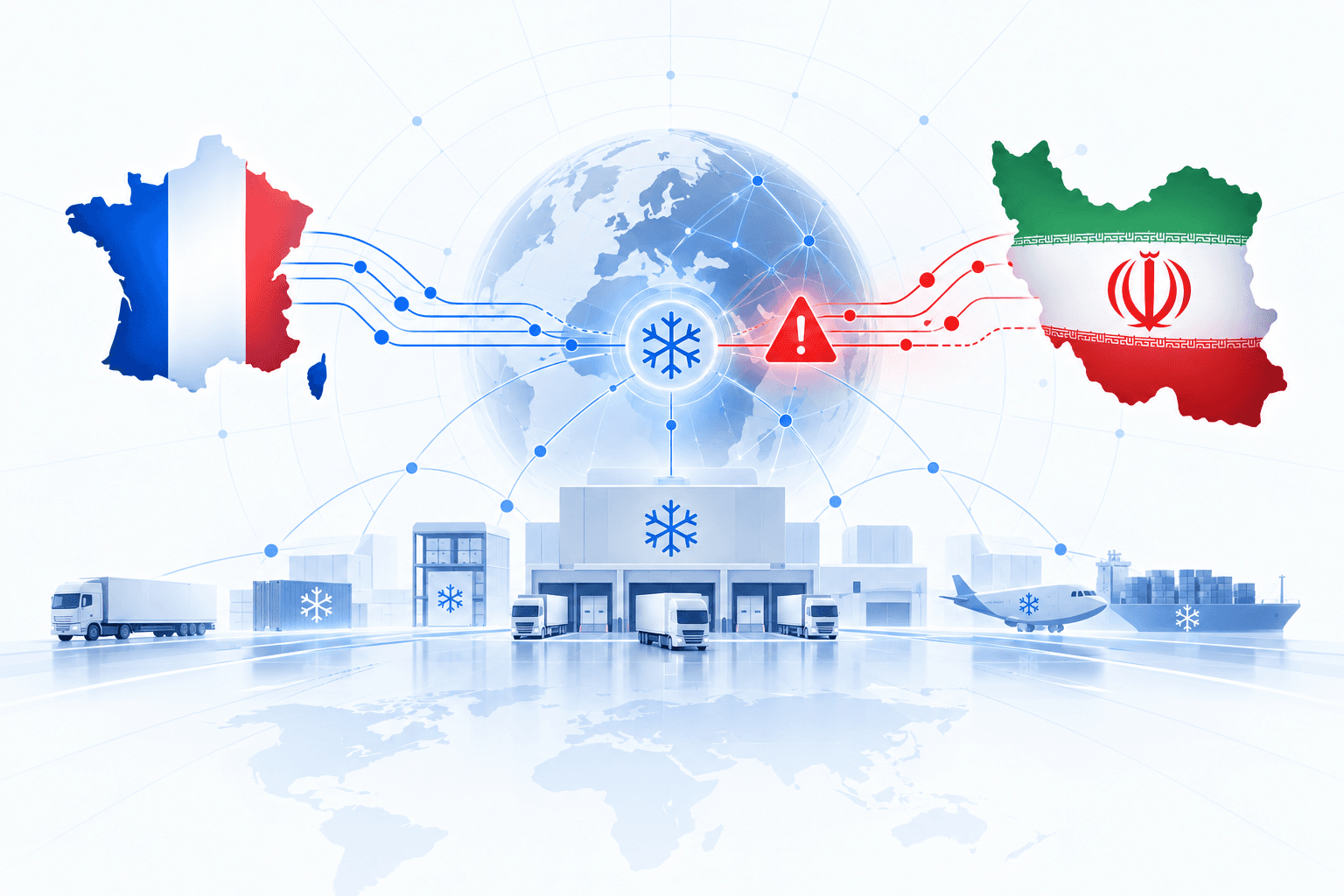
France attributed the October supermarket attack to a cyber unit tied to Iran’s Revolutionary Guards, an allegation Iran denies. Attribution for the broader European incidents remains unresolved. Separately, the Pentagon is reportedly investigating August freezer failures at U.S. military bases as suspected hacking, with no established connection to Europe. The incidents highlight the physical consequences of compromised operational technology: operators should remove unnecessary internet exposure, strengthen authentication, segment refrigeration controls from other networks, and replace unsupported equipment that cannot be adequately secured. Concurrent outages affecting cloud services, banking, and air traffic control do not establish a coordinated campaign.
Why it matters
European food retailers suffered reported spoilage, business interruption and financial losses after attackers manipulated refrigeration controls in October and November 2026; the October French wave reportedly affected roughly 700 supermarkets, while early-November totals vary between sources. Three French blood-bank sites were reportedly targeted, but staff protected supplies by moving blood into disconnected refrigerators; separately, U.S. military freezer failures are under investigation as suspected hacking, with no established European connection. These are reported real-world control-system compromises, but the initial access methods and relationship between attack waves remain unresolved. Sources, Waterfall
- Industry-specific impact: Consumer Staples is supported by affected supermarkets and butcher shops, including Delhaize and Carrefour; Health Care is supported by the targeting of three French blood banks. Military & Defense is supported by food spoilage at U.S. military bases, although malicious causation remains suspected rather than confirmed. These impacts are not necessarily exclusive to those sectors. Sources, Waterfall
- Geography-specific impact: Reported refrigeration attacks affected France, Belgium, Estonia, Ireland, Luxembourg, the Netherlands and Sweden; additional problems were reported in Finland, Italy and Portugal. Other supplied reports identify Spain, Poland, Germany and the United Kingdom. The United States is included separately for the suspected military-base incidents, not as part of an established transatlantic campaign. Country coverage and incident totals differ across reports. Sources, Cybercrime Magazine, IOActive
- Severity: One Delhaize store in Hoeilaart, Belgium, estimated €100,000 in food losses before closure costs. Fires were reported but are not independently substantiated in the supplied evidence; blood-supply loss was reportedly prevented. Sources, Waterfall