France Attributes Refrigeration Sabotage at 700 Retail Sites to Iran’s Shahid Kaveh
Breach & Incident Intelligence · 73 sources · Updated 15d ago · First seen Nov 9, 2026
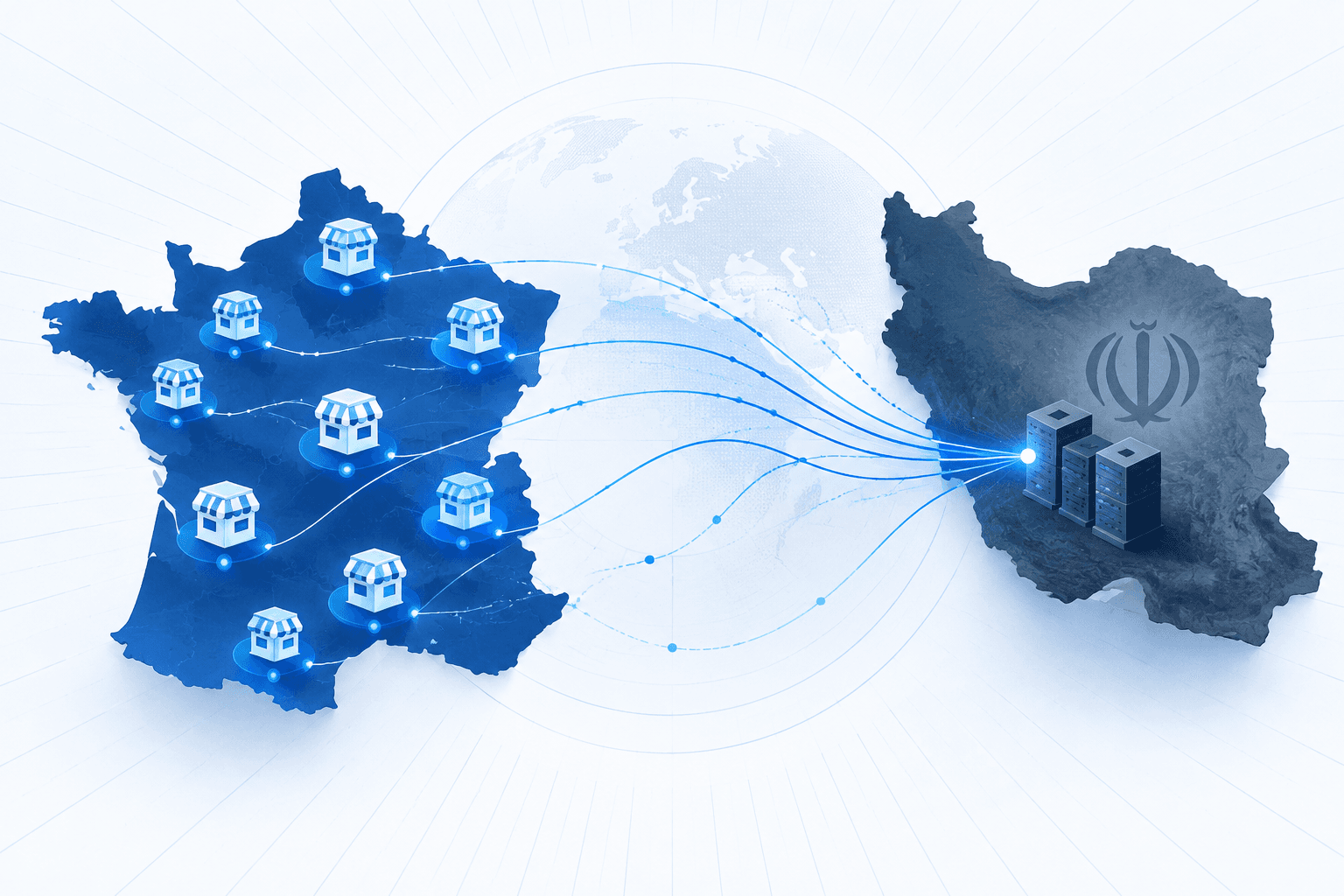
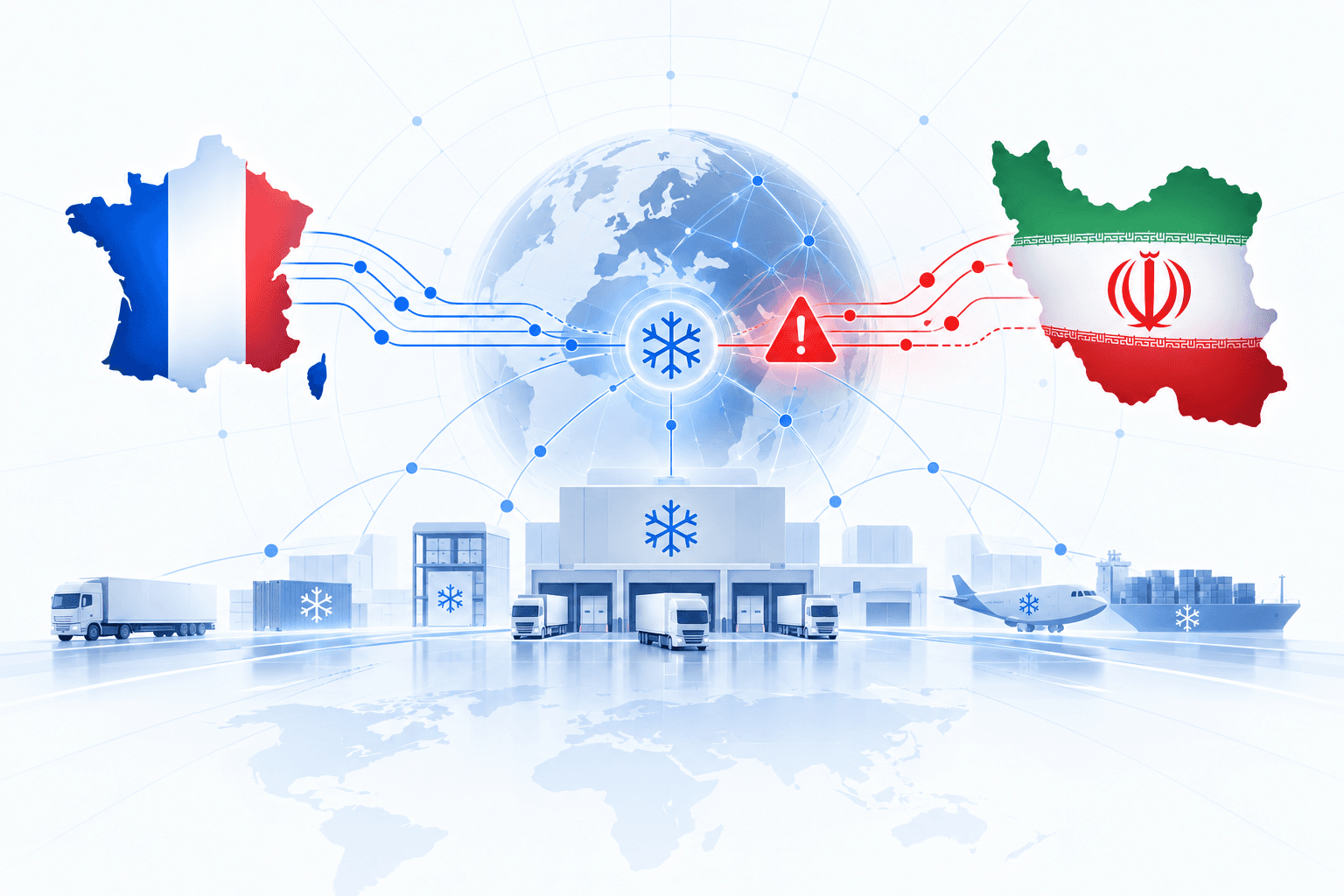
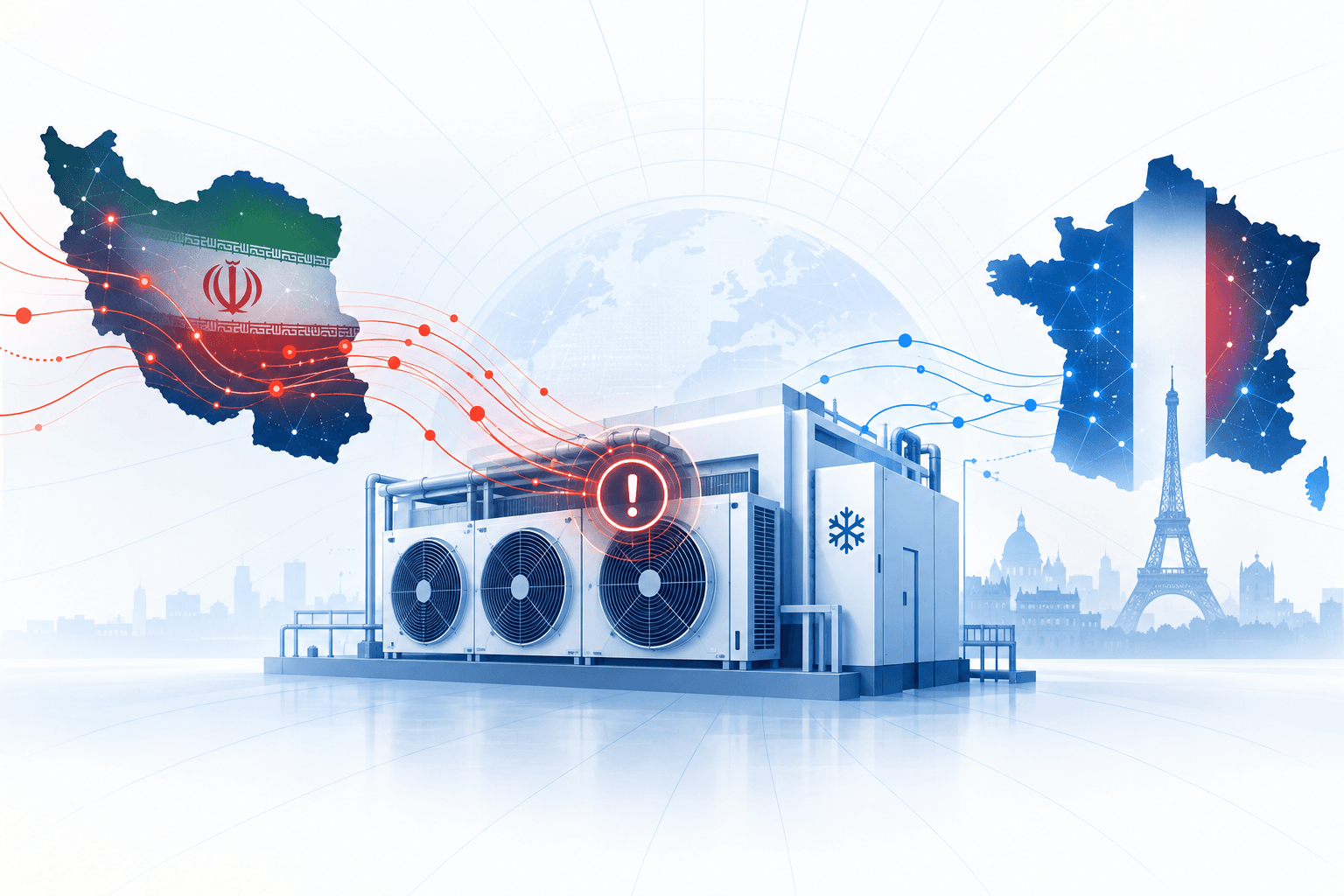
France formally attributed destructive attacks on refrigeration controllers at approximately 700 French retail sites to Shahid Kaveh, a cyber-offensive unit affiliated with Iran’s Islamic Revolutionary Guard Corps. During October 11–12, attackers remotely manipulated defrost settings and disabled temperature alerts, causing extensive food spoilage, at least 15 fires and losses estimated at tens of millions of euros. Targeted equipment included Danfoss and Copeland/Dixell systems; the precise initial-access method remains publicly unconfirmed. French investigators cited reused infrastructure, reconnaissance patterns, Farsi-language traces and publicity by a unit-linked outlet as attribution evidence. France also linked concurrent attacks on small hydroelectric installations to the unit. Prosecutors opened a judicial investigation and requested international arrest warrants, while France summoned Iran’s ambassador and proposed additional EU sanctions. Iran denied involvement. France’s attribution statement
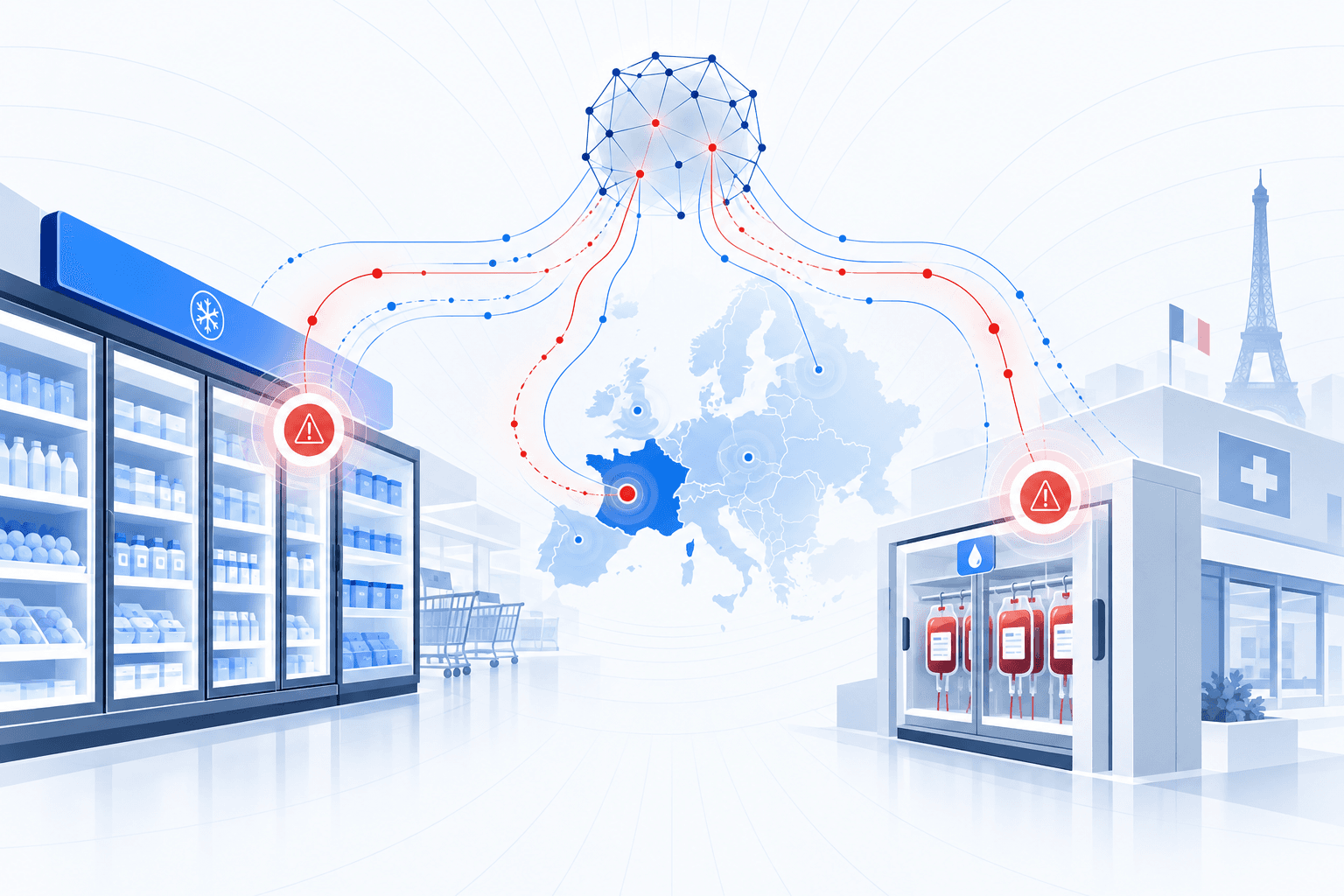
A separate November wave disrupted refrigeration at more than 100 European establishments and targeted French blood-storage facilities, where monitoring and staff intervention prevented losses. Those incidents have not been officially linked to the October campaign. Belgium reported serious indications of potential Iranian involvement in its November 2 attacks, but its foreign minister said formal attribution would be premature; pro-Russian groups’ responsibility claims also remain unverified. CISA, the FBI and other U.S. agencies urged organizations to harden cold-chain systems after the European attacks. Their warning described abuse of normal administrative functions, including forced defrost cycles and alarm suppression; one examined Copeland XWEB Pro compromise involved default administrator credentials. Priority measures include removing controller interfaces from the public internet, securing contractor and remote-maintenance access, replacing default passwords, segmenting OT networks, updating or replacing unsupported equipment, and maintaining independent temperature alarms. U.S. hardening warning
Why it matters
France attributed the October 11–12, 2026 sabotage of refrigeration controllers at approximately 700 French retail and food-sector sites to the IRGC-affiliated Shahid Kaveh unit; authorities reported substantial inventory losses, at least 15 fires, and damage estimated at tens of millions of euros. Concurrent attacks on small French hydroelectric installations had moderate effects, while separate November attacks affected European retailers and French blood-storage facilities, where monitoring and staff intervention prevented product losses. These are observed destructive incidents, but France’s attribution does not cover the November wave or suspected August incidents at U.S. military commissaries; Iran denies involvement.
- Industry-specific impact: Yes. Consumer Staples (30) is directly affected through supermarkets, butchers, a slaughterhouse, and food-processing plants, including Casino, Leclerc, Coopérative U, Metro, Carrefour, and Intermarché. Utilities (55) is supported by attacks on small hydroelectric installations, not merely by equipment exposure (ANSSI). Health Care (35) is directly supported by manipulated refrigeration at three French Blood Establishment sites; no blood-product losses or identified health consequences were reported (Silobreaker). Military & Defense (92) is affected by food spoilage at at least six U.S. military commissaries, although a cyberattack remains suspected rather than confirmed (Reuters account).
- Geography-specific impact: Yes. France has confirmed affected retail, food-processing, hydroelectric, and blood-storage operations. November refrigeration disruptions were reported in Belgium, the Netherlands, Sweden, Luxembourg, Ireland, Estonia, Finland, Italy, Portugal, Germany, and the United Kingdom; reported country coverage and incident counts vary across sources (BFMTV, SC Media). The United States has reported commissary spoilage under investigation as a suspected cyber incident, without an established connection to the European attacks (SC Media reporting).
- Operational significance: Controller-level access can destroy inventory and create equipment and fire hazards without compromising corporate IT. Simultaneous failures can overwhelm alternative cold storage and transport capacity; exposed installations elsewhere face potential exposure, not established compromise.