Refrigeration Cyberattacks Spoil Food Across Europe and Trigger Cold-Chain Security Warnings
Breach & Incident Intelligence · 132 sources · Updated 15d ago · First seen Nov 2, 2026
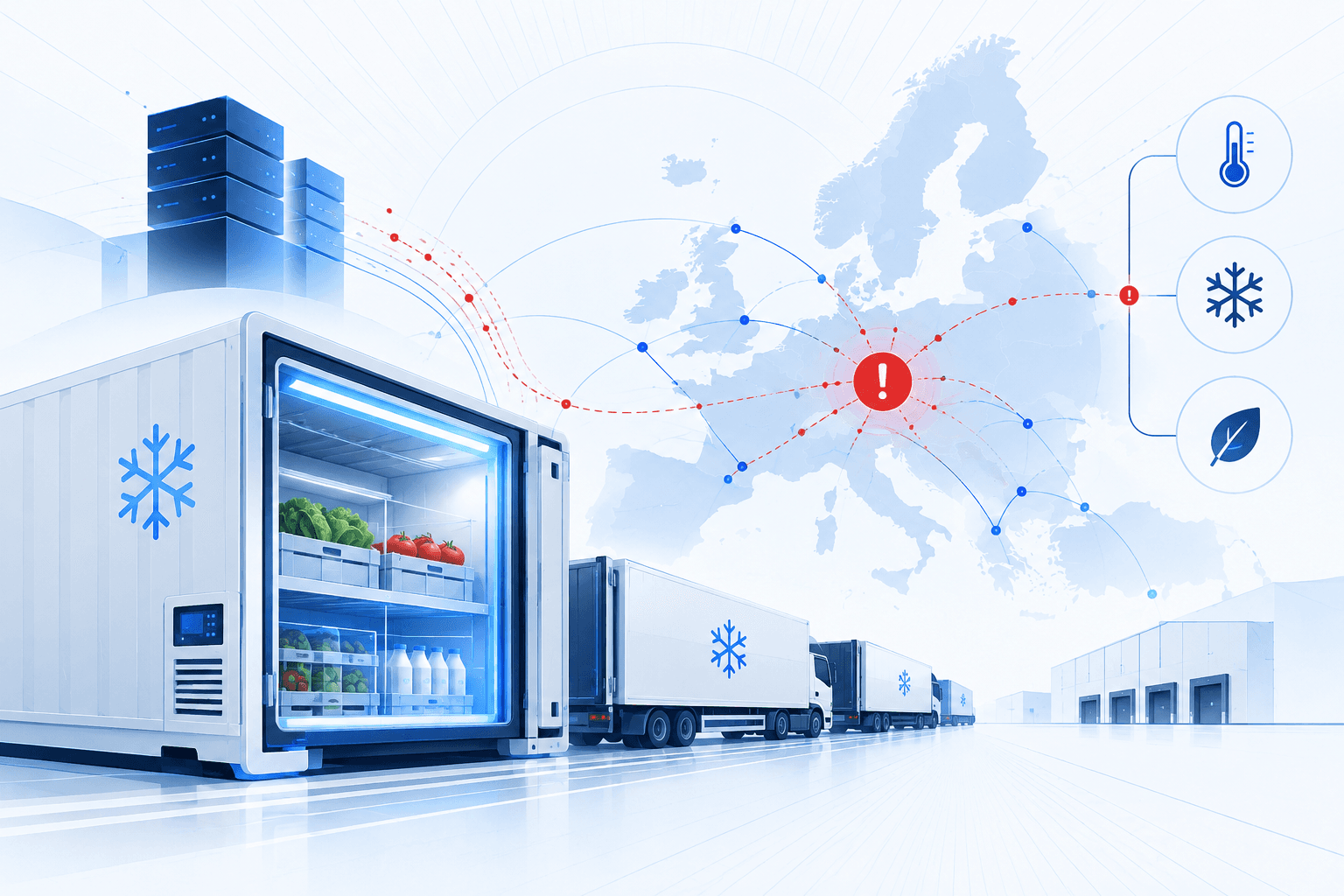
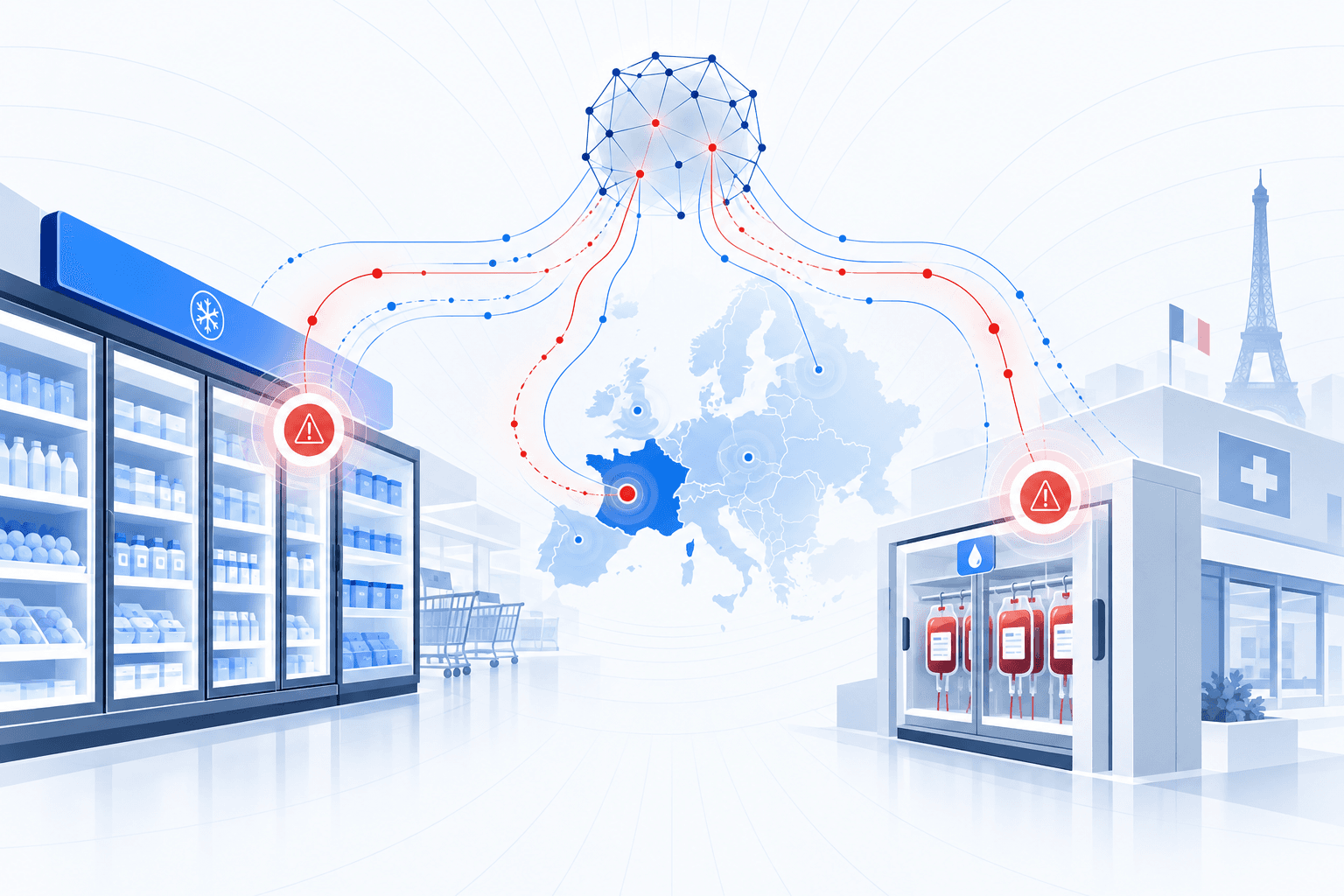
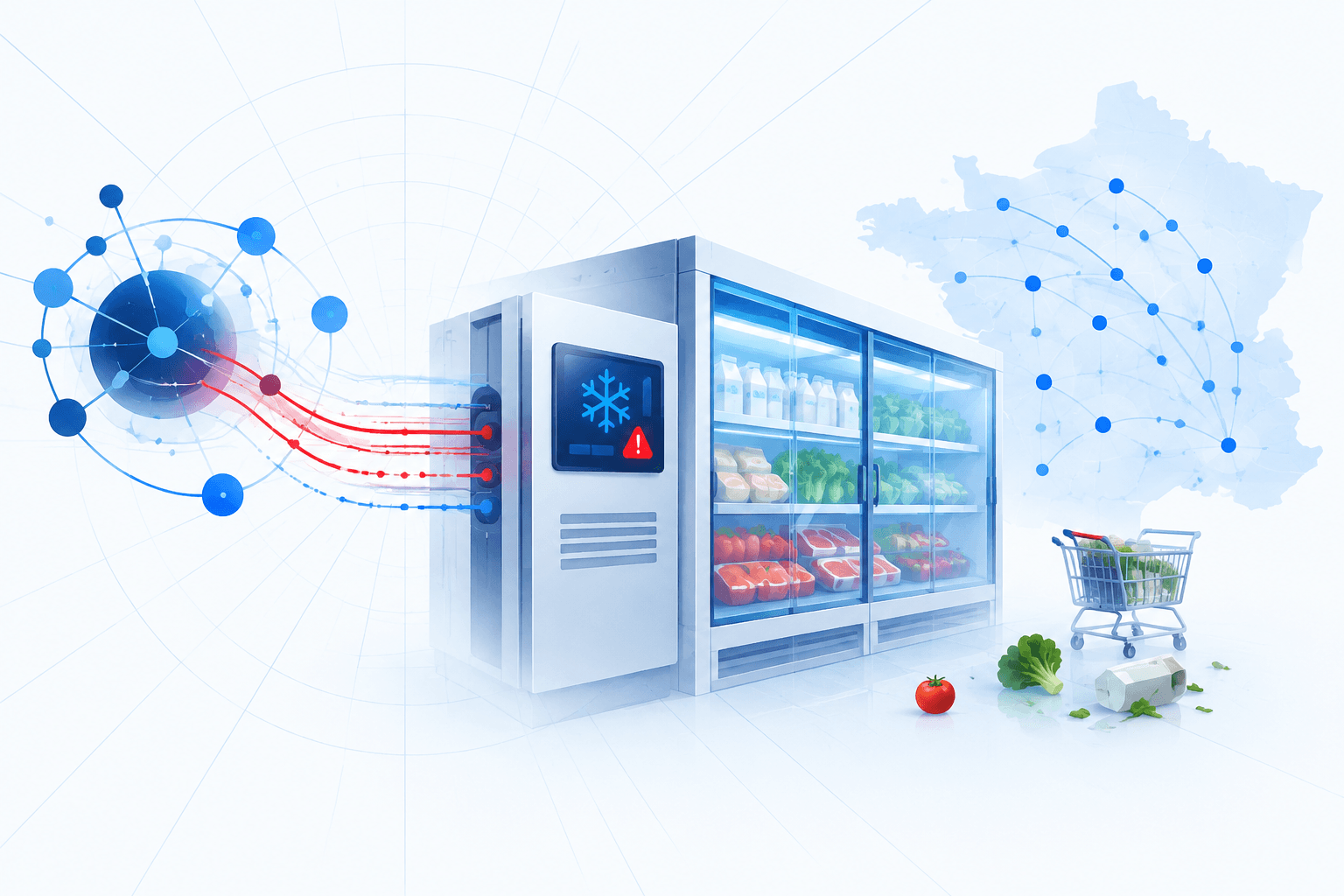
Attackers remotely manipulated commercial refrigeration controls across Europe, forcing supermarkets and food suppliers to discard stock, withdraw products and temporarily suspend operations. The November 1–2 wave followed October attacks affecting hundreds of French stores; affected businesses included Delhaize, Carrefour, ICA, Coop, SuperValu and Selver, with subsequent reports extending to UK suppliers and other European countries. Reported changes included prolonged defrost cycles, temperature setpoints of 50°C and disabled alarms, although those settings do not establish the temperatures actually reached by food. French blood-storage facilities were also targeted, but reported interventions prevented damage to blood products. NoName057(16) and Z-Pentest claimed responsibility, but attribution remains unverified; Denmark’s SAMSIK cautioned that such claims can be publicity-driven. Investigators have not established a single campaign connecting all European incidents or separate suspected attacks at U.S. military commissaries.
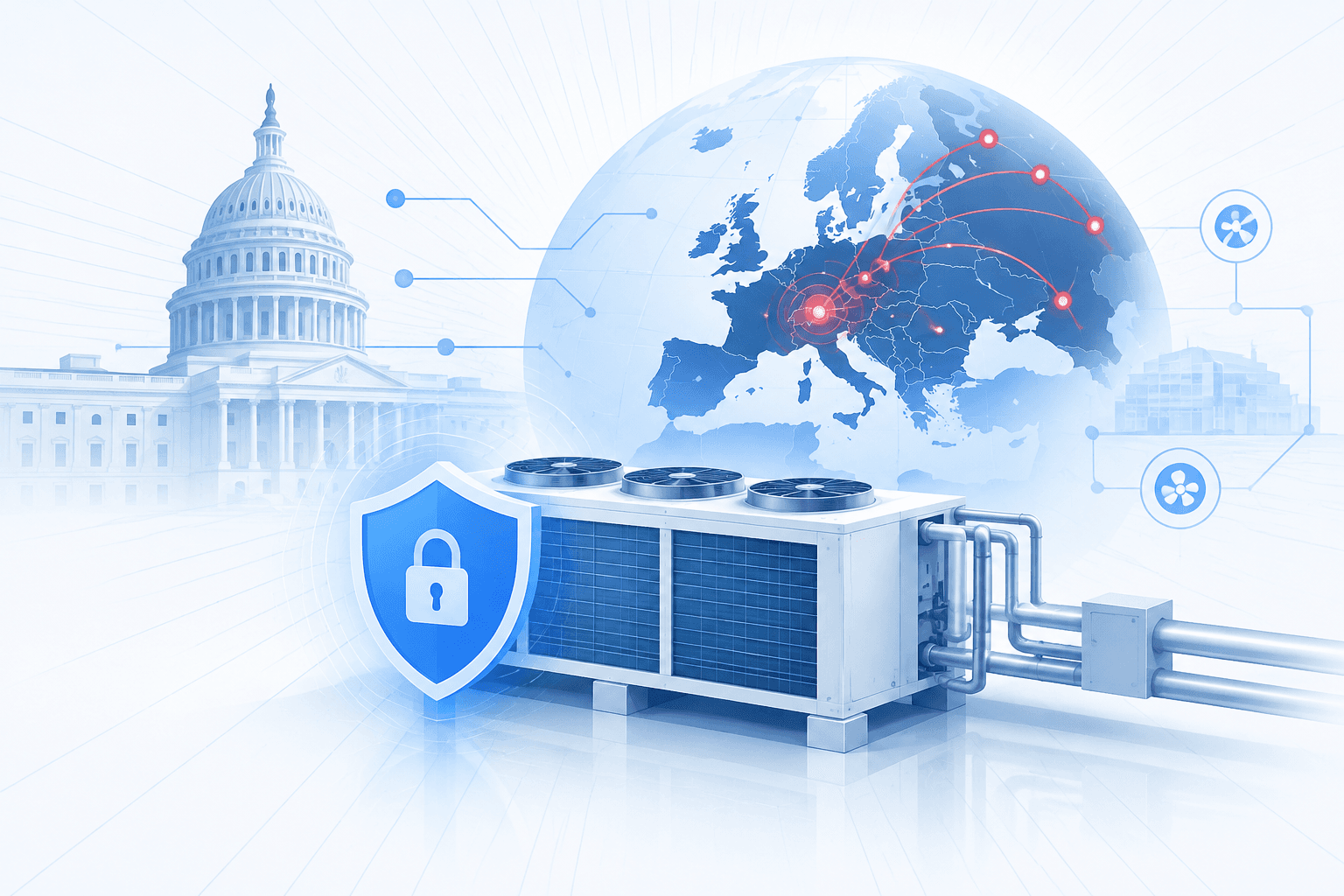
Internet-exposed management interfaces, default credentials and obsolete controllers are central security concerns, but no common entry method or exploited vulnerability has been established. In one documented incident, Ransom-ISAC found that default administrator credentials enabled access to a Copeland XWEB Pro controller, followed by 743 parameter writes across 31 devices, including alarm, keypad and defrost changes; the logs did not establish physical damage or stock losses. Danfoss and Copeland/Dixell equipment feature in reporting, with some affected systems unsupported or running outdated firmware. EU authorities issued a joint warning, and U.S. agencies separately warned of ongoing cold-chain threats. Operators are urged to remove public management access, replace default passwords, secure maintenance connections with VPNs and multifactor authentication, segment refrigeration networks, and update or replace legacy equipment. Independent temperature alarms, safe operating limits and verified recovery procedures are essential where controller readings or alerts may be manipulated.
Why it matters
Attackers manipulated commercial refrigeration controls during October and November 2026, causing food spoilage, product withdrawals, temporary closures and reported equipment damage and fires; approximately 700 French supermarkets were reportedly affected in October, followed by more than 100 European locations in early November. French blood-storage systems were also targeted, but interventions prevented reported blood-product losses; separate August failures at U.S. military commissaries remain suspected cyberattacks, not confirmed extensions of the European activity. The incidents demonstrate active abuse of refrigeration controls, but neither a single cross-border campaign nor exploitation of a common CVE has been established, and EU officials said overall food security was not threatened.
- Industry-specific impact: Established for Consumer Staples (30): supermarkets, butchers, meat suppliers and produce wholesalers experienced refrigeration manipulation, stock losses or precautionary withdrawals. Consumer Discretionary (25) is supported by the confirmed attack affecting IKEA’s Mons store in Belgium, not by generic refrigeration exposure (RTÉ). Health Care (35) is supported by targeting of three French blood-service sites, with no reported product loss or health consequences (Ransom-ISAC). Military & Defense (92) is supported by refrigeration failures and spoiled food at U.S. military commissaries, although malicious causation remains under investigation (Forescout).
- Geography-specific impact: Established through reported affected operations in France, Belgium, Luxembourg, Sweden, Ireland, Estonia, the Netherlands, Finland, Germany, Italy and Portugal; examples include 13 Irish SuperValu stores, at least 17 Dutch food businesses, seven Portuguese Intermarché stores and affected UK suppliers (SecurityWeek, German reporting, Finnish NCSC). Romania had six supermarkets reportedly affected; Poland and Spain appear in reporting on additional European incidents, with less incident-specific detail (BFMTV, Dark Reading). U.S. impact concerns military commissary failures under investigation, not a confirmed European campaign connection. These locations are not an exhaustive boundary of potential exposure.
- Severity varies substantially: some businesses discarded entire chilled and frozen inventories, while rapid intervention prevented losses at Estonia’s Selver outlet, UK suppliers and French blood-storage sites. Reported extreme controller setpoints do not establish actual food temperatures; restoration of normal settings does not establish product safety.
- Attribution remains unresolved: NoName057(16) and Z-Pentest made unverified responsibility claims. SAMSIK cautioned that publicity-oriented claims may create insecurity without proving involvement (SAMSIK).