U.S. Agencies Urge Refrigeration System Hardening After European Cooling Attacks
Sector Threat Intelligence · 26 sources · Updated 19d ago · First seen Nov 5, 2026
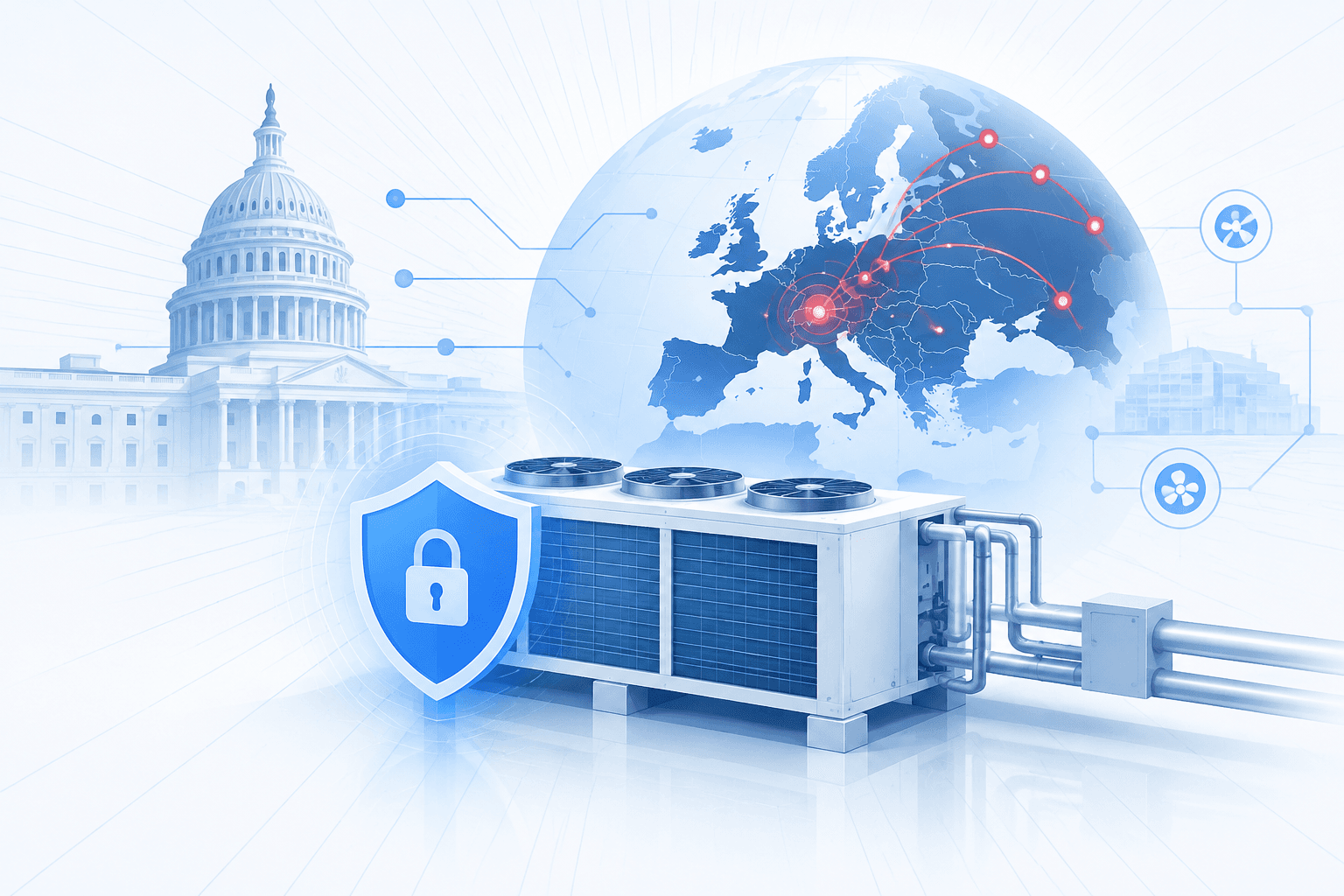
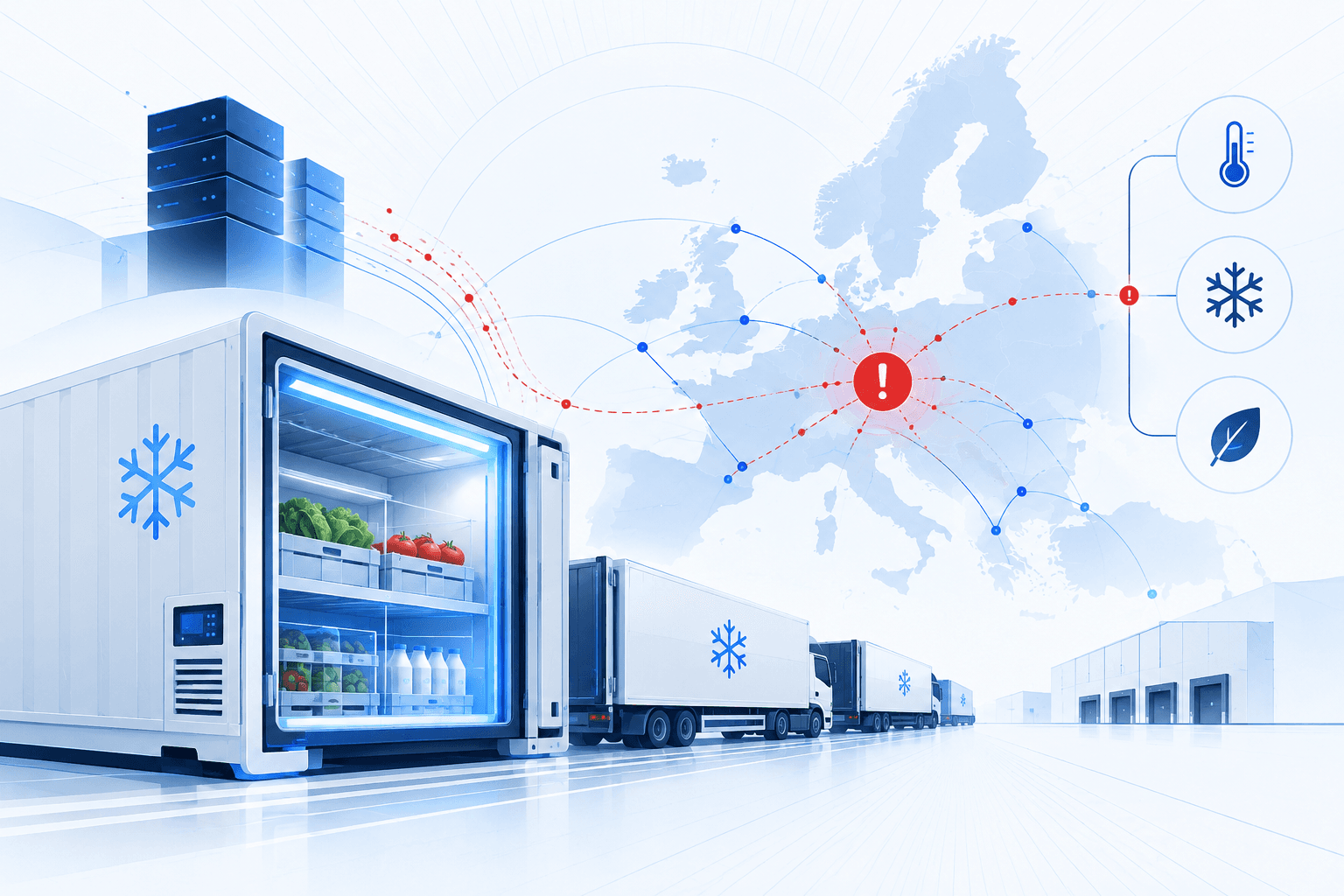
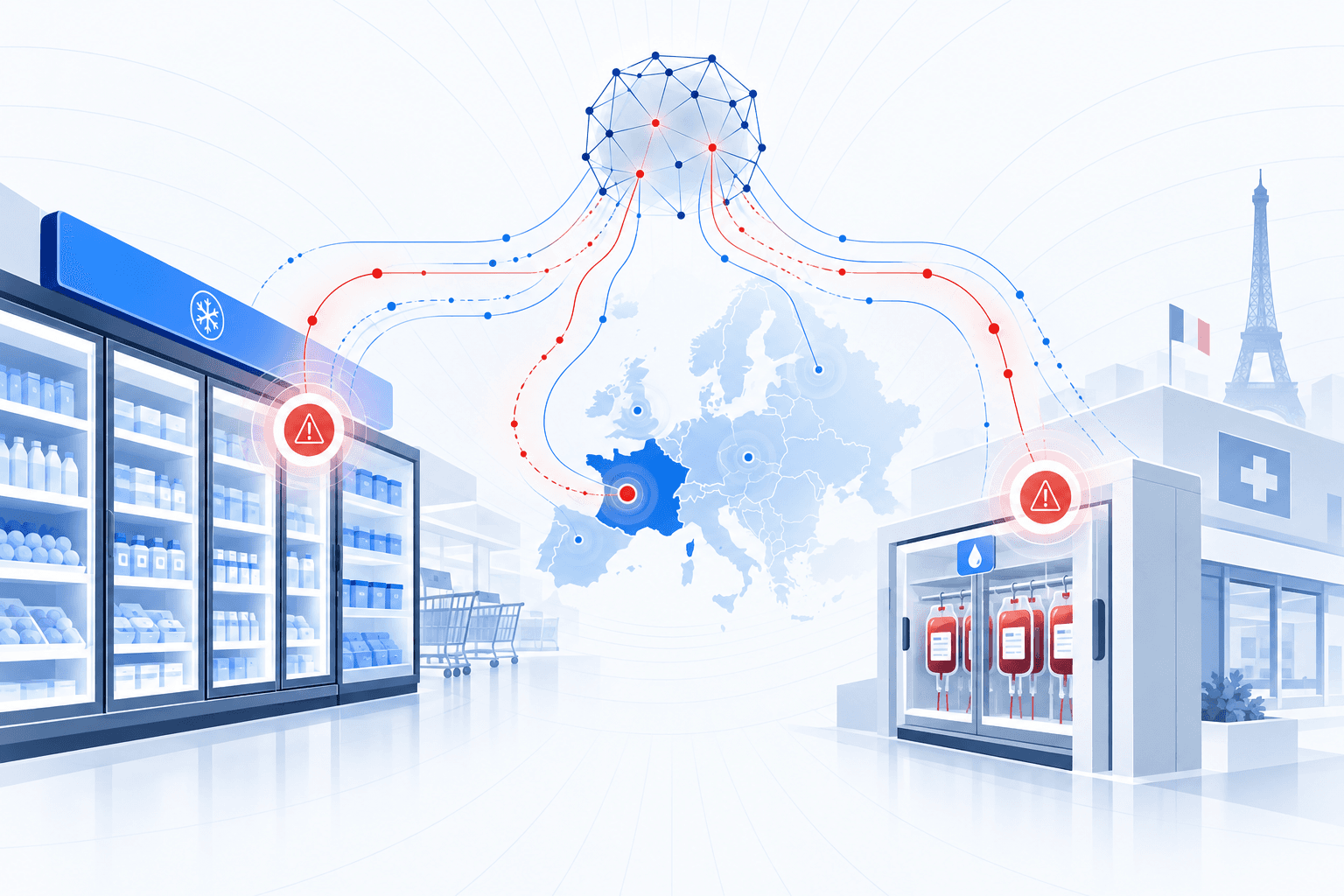
CISA, the FBI, HHS, USDA, and the Department of Transportation warned of malicious cyber activity targeting industrial refrigeration and cold chain monitoring systems worldwide. The warning follows remote attacks on hundreds of European supermarkets that raised refrigeration temperatures and potentially spoiled millions of euros worth of food. Cooling controls at three French national blood banks were also tampered with, though connections between the incidents remain unclear and responsibility for the European attacks is unknown.
The agencies warned that attackers could exploit authentication bypass, arbitrary code injection, and weak configurations in unpatched or internet-accessible temperature and refrigeration controllers. Successful attacks could alter temperature setpoints, force continuous heating or defrost cycles, or eliminate temperature visibility, risking inventory losses, equipment damage, fire hazards, and consumer harm. Operators should remove unnecessary internet exposure, restrict and secure remote access, isolate operational technology networks, strengthen authentication, update firmware, and monitor controller activity and temperature setpoints.
Why it matters
Industrial refrigeration attacks have caused reported food spoilage, financial losses and some fires at European retailers; tampering also affected three French blood-storage facilities, where staff reportedly prevented damage to blood products. The November 5 joint U.S. warning describes active targeting worldwide, but does not establish that all reported incidents share an attacker or access method. The principal risk is physical-process disruption and unsafe inventory, not necessarily data theft; FDA warns recovery could disrupt cold-chain operations for days to months.
- Industry-specific impact: Established for Consumer Staples (30), through supermarket, butcher-shop and food-storage compromises, and Health Care (35), through the French Blood Establishment incident. Chemical operations within Materials (15) and refrigerated transportation within Industrials (20) are explicitly identified in the official warning as sector-specific cold-chain exposure, not confirmed victims. Military & Defense (92) has suspected impact: freezer malfunctions at military commissaries were under investigation as possible cyberattacks, not confirmed compromises. Sources: CISA, Malwarebytes, SC Media.
- Geography-specific impact: Established through reported retail targeting in Belgium, Estonia, Finland, France, Germany, Ireland, Italy, Luxembourg, the Netherlands, Portugal, Sweden and the United Kingdom. France additionally has confirmed blood-storage control tampering; Dutch reporting identifies at least 17 compromised businesses. These reports do not imply equal severity or independently verified losses in every country. Sources: The Hacker News, Malwarebytes.
- Croatia has identified potential exposure, not observed attacks: National CERT found potentially vulnerable internet-accessible refrigeration systems and notified administrators, while reporting no local attacks or attempts. The United States has suspected operational impact through military freezer incidents under investigation; U.S. blood-storage compromises were not confirmed. Sources: CERT.hr, The Register, BankInfoSecurity.
- Exposure remains substantial: Censys reported hundreds of exposed Danfoss StoreView instances and thousands of Copeland/Dixell XWEB instances in early November. Internet visibility establishes exposure, not compromise; reported victim counts and aggregate exposure totals vary between sources.