PolinRider Targets Developers Through Fake Coding Tests and Compromised npm Packages
Supply Chain Risk · 2 sources · Updated 13d ago · First seen Nov 15, 2026
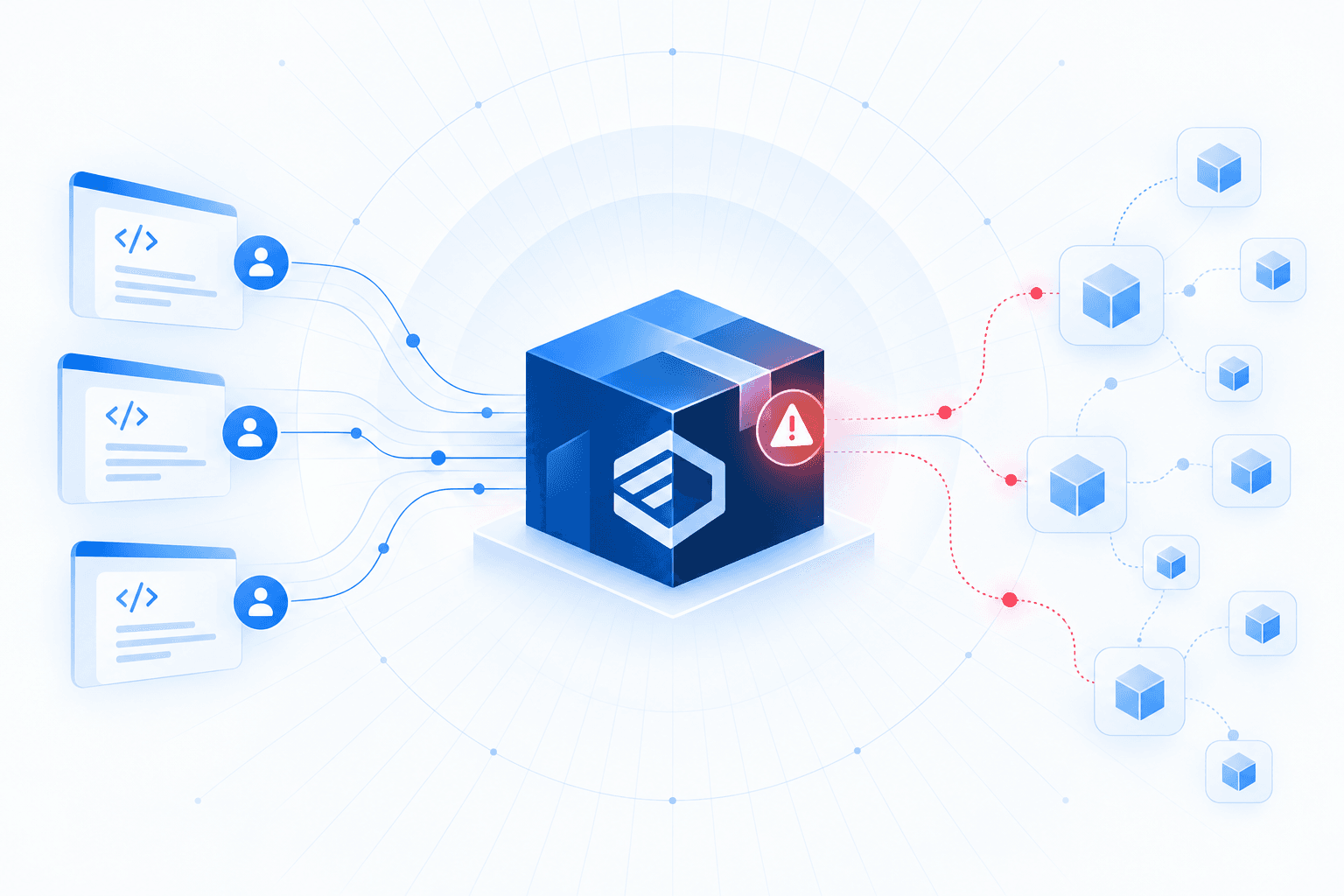
PolinRider malware is targeting developers through fraudulent recruitment and malicious coding assignments, with Abnormal identifying a cross-platform variant that establishes persistence in development tools and collects sensitive information. The malware discovers changing command-and-control addresses through Ethereum transactions, installs persistent Node.js components, and retrieves a Python information stealer. Abnormal assesses a moderate-confidence connection to DPRK-linked Contagious Interview activity. Its report separately describes an October 29 Binance wallet-signing compromise affecting approximately $6.34 billion in digital assets, reportedly attributed by the FBI to DPRK-linked TraderTraitor activity after an engineer encountered a malicious coding assignment. Abnormal did not establish that its analyzed repositories were used against Binance; the incidents should not be treated as a confirmed single intrusion chain.
OpenSourceMalware researchers traced related PolinRider activity to a May 2025 npm compromise, extending the documented campaign history by approximately eight months, with supporting blockchain payloads dating to February 7, 2025. Nine package versions from one maintainer appeared within 90 minutes; four recovered versions contained identical malicious JavaScript. The delivery chain used BNB Smart Chain and Ethereum transactions to retrieve components including JADESNOW, an INVISIBLEFERRET bootstrapper, a Node.js remote-access trojan, and a cross-platform Python credential stealer. Shared encryption material, infrastructure, paths, and payload characteristics connect the samples to PolinRider, although the recovered packages lacked its documented self-spreading behavior. Four maintainer GitHub repositories later suffered malicious force-pushes in 2026, without those payloads reaching npm. Defenders should investigate suspicious coding assignments, developer-tool persistence, exposed credentials, and lateral movement, while distinguishing observed collection capabilities from confirmed theft.
Why it matters
PolinRider compromises developers through fake recruitment assignments and malicious npm packages, exposing development environments, credentials, browser data, and cryptocurrency wallets across Windows, Linux, and macOS. Recovered payloads establish collection and remote-control capabilities, not confirmed theft from analyzed victims; malicious package releases and repository modifications are documented, but victim counts are unknown. Separately, the supplied Abnormal report describes a Binance wallet-signing compromise affecting approximately $6.34 billion in digital assets; it does not establish that the analyzed PolinRider repositories participated in that intrusion.
- Industry-specific impact: Information Technology is supported by the compromise of a software maintainer’s npm releases and four GitHub repositories, creating downstream software supply-chain exposure (OpenSourceMalware). Financials is supported by the separately reported Binance incident involving its internal wallet-signing service; this is not a confirmed PolinRider victim (Abnormal). These findings do not establish exclusive targeting of either sector.
- Geography-specific impact is not established. No affected population or operation is located in a specific country by the supplied evidence. DPRK attribution, infrastructure locations, and a recovered stage’s exclusion of Russian hosts do not establish an affected geography.
- Attribution remains qualified: Abnormal assesses a moderate-confidence DPRK/Contagious Interview connection for its samples; the reported FBI TraderTraitor attribution concerns the separate Binance incident.