Google GTIG Warns of Intensifying Nation-State Targeting of the Defense Industrial Base
Threat Actor Intelligence · 2 sources · Updated 5mo ago · First seen Feb 13, 2026
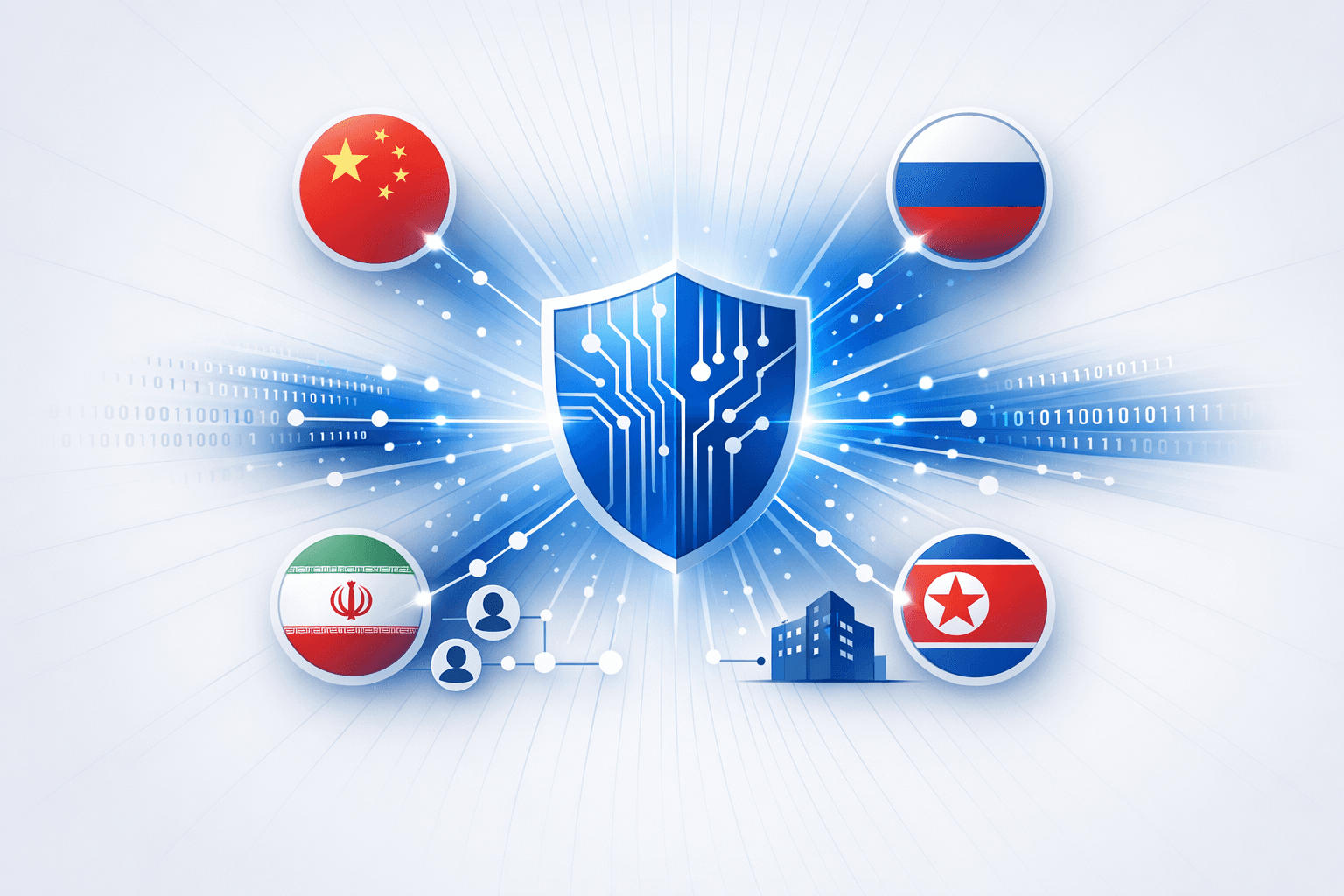
Google’s Threat Intelligence Group (GTIG) reported sustained and expanding cyber operations against the defense industrial base (DIB) by state-linked and aligned actors from China, Iran, North Korea, and Russia, driven by battlefield technology demands and geopolitical conflict. Reported themes include targeting defense organizations supporting the Russia–Ukraine war, social engineering and recruitment/hiring-process abuse aimed at employees (notably attributed to North Korean and Iranian activity), increased reliance on edge devices and appliances for initial access by China-nexus groups, and heightened supply-chain exposure tied to compromises in adjacent manufacturing ecosystems.
The reporting highlights specific tactics and actor activity, including Russia-linked APT44 (Sandworm) efforts to access data from Telegram and Signal, including use of a Windows batch script (WAVESIGN) to decrypt and exfiltrate data from Signal Desktop after likely obtaining physical access to devices in Ukraine. Additional activity described includes Ukraine-focused campaigns using defense-themed lures (e.g., drones and counter-drone systems) and broader nation-state use of zero-day exploitation in edge devices to establish footholds in defense contractors’ networks, reinforcing GTIG’s assessment that “pre-positioning” and continuous access-building are now baseline expectations for DIB organizations.
Why it matters
Impact assessment
State-linked cyber activity against the defense industrial base is intensifying across multiple access vectors, with defense contractors, aerospace firms, military support organizations, research institutions, and adjacent manufacturers at highest risk. The impact is severe because the activity supports espionage, credential theft, persistent footholds, secure-message compromise, and supply-chain exposure that can disrupt operations, expose sensitive defense programs, and create downstream risk for partners.
The scope is broad rather than isolated: GTIG describes sustained targeting by China-, Iran-, North Korea-, and Russia-linked actors, with campaigns spanning North America, Europe, the Middle East, South Korea, and Ukraine-related ecosystems. Exploitation in the wild is established, including abuse of secure messaging platforms, Android malware delivery, phishing against defense personnel, and repeated zero-day exploitation of internet-facing edge devices.
Affected entities and sectors
- Defense industrial base organizations
- Aerospace and aviation companies
- Military contractors and support organizations
- Semiconductor and automotive manufacturers tied to defense supply chains
- Research institutions
- Government and military entities, especially Ukraine-linked organizations
- Manufacturing ecosystems adjacent to defense production
Severity and business risk
- Espionage risk: theft of defense-related communications, credentials, technical data, and battlefield-relevant information
- Operational risk: persistent access in contractor networks can enable lateral movement, identity compromise, and long-dwell intrusions
- Supply-chain risk: compromise of adjacent manufacturers can expose defense programs indirectly
- Reputational and contractual risk: loss of controlled defense information can trigger regulatory, customer, and national-security consequences
Scope and observed activity
- GTIG attributes activity to actors linked to China, Iran, North Korea, and Russia
- Campaigns include targeted social engineering, recruitment-process abuse, edge-device exploitation, and mobile malware operations
- Russian activity includes attempts to access Telegram and Signal data in Ukraine
- China-linked activity includes reconnaissance and exploitation against defense-facing portals and public-facing infrastructure
- North Korean and Iranian actors are targeting defense workers directly through job-themed lures and malicious applications