Interlock Ransomware Uses Fake Updates and ClickFix in Double-Extortion Attacks
Threat Actor Intelligence · 3 sources · Updated 8h ago · First seen Feb 21, 2025
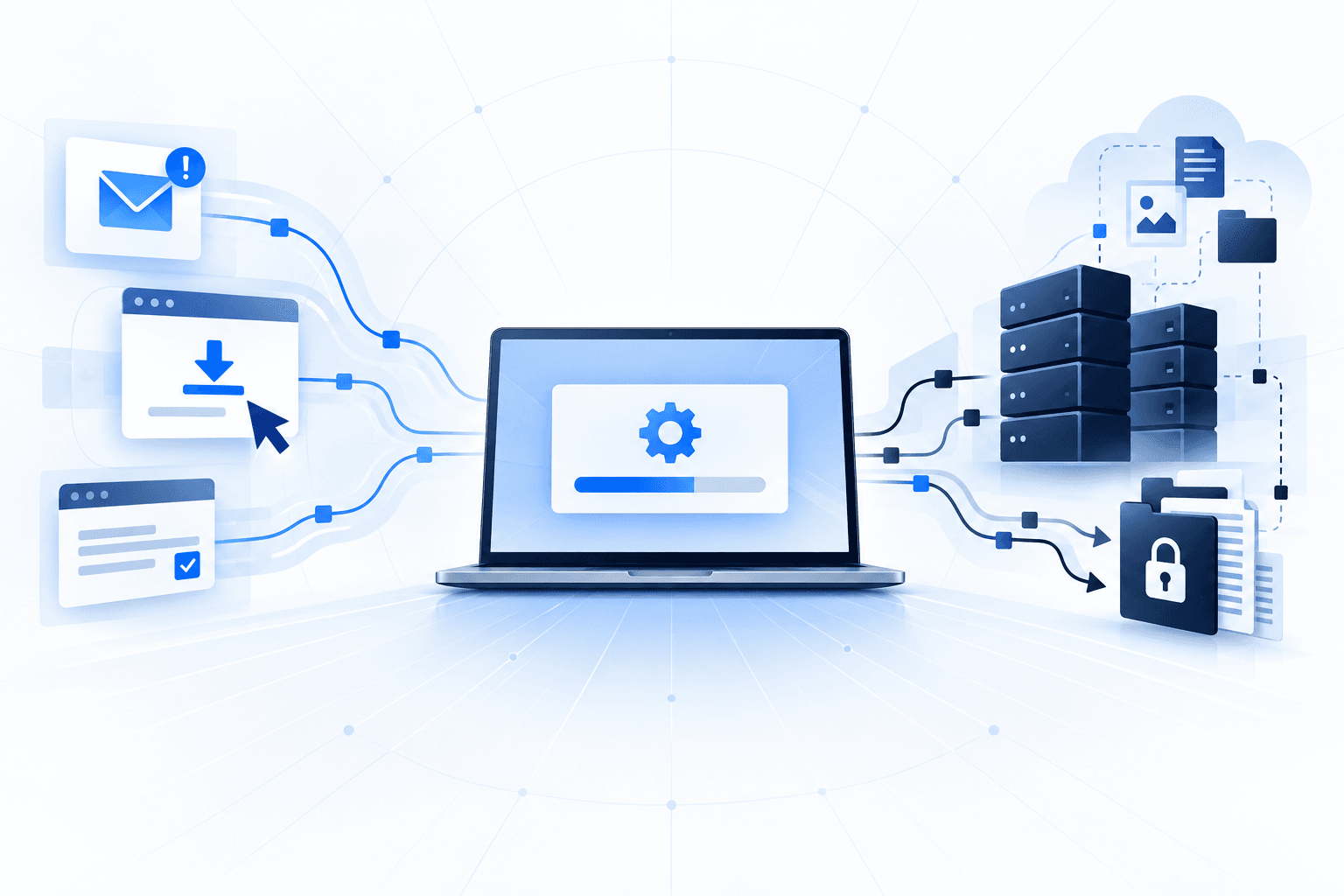
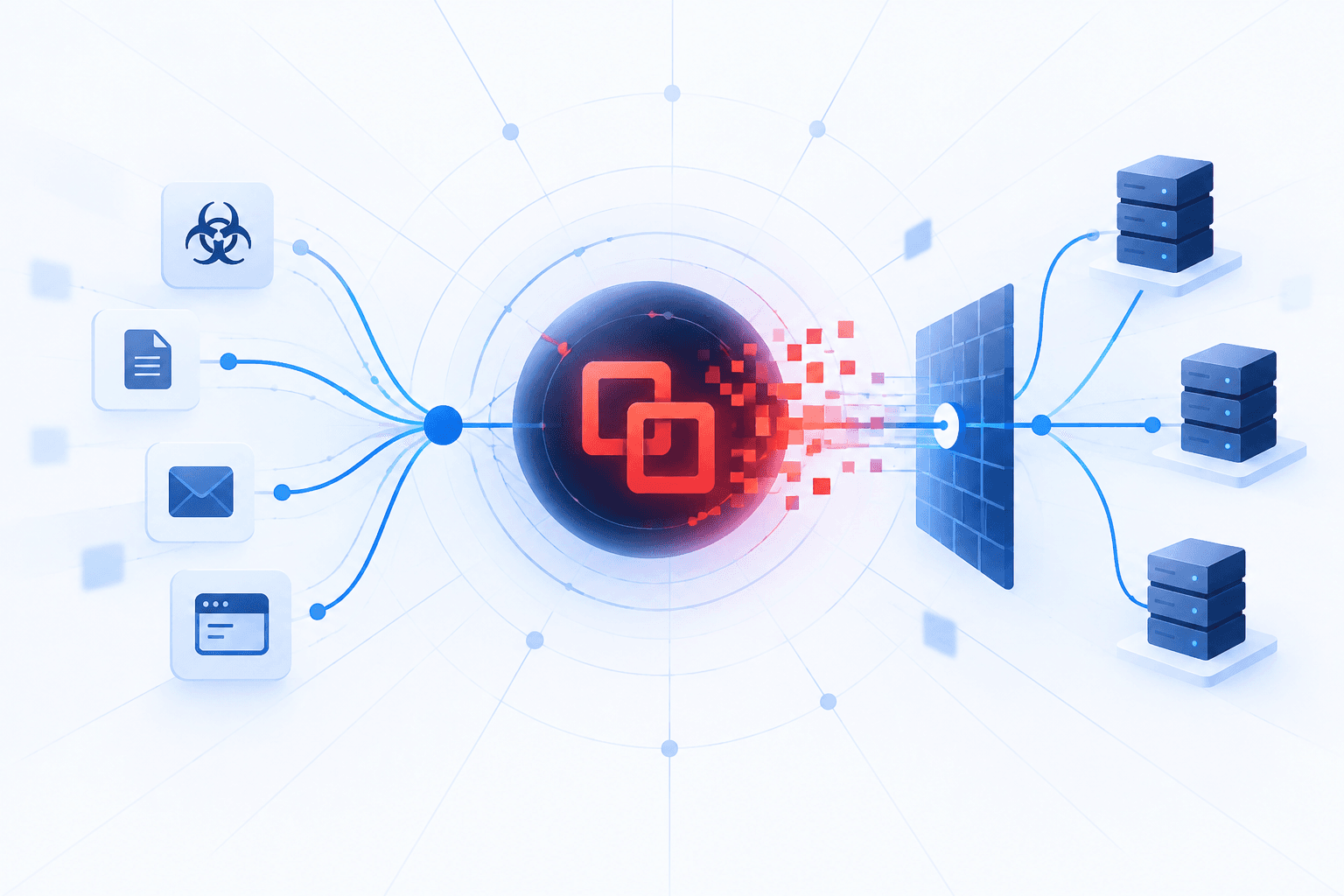
Interlock ransomware operators are using compromised websites, fake software updates and ClickFix social engineering to gain access to organizations across North America and Europe before stealing data and encrypting systems. First publicly reported in September 2024, the group has targeted healthcare, technology, government and manufacturing organizations. Cisco Talos and Sekoia documented an intrusion toolkit that includes a custom remote-access Trojan, a PowerShell backdoor, keyloggers and credential stealers, including BerserkStealer and LummaStealer, ahead of Windows or Linux ransomware deployment. Sekoia also observed incremental improvements to the PowerShell backdoor’s persistence and command-execution capabilities.
In one intrusion investigated by Cisco Talos, the attacker spent approximately 17 days in the victim’s environment before deploying the encryptor, moving laterally primarily through RDP and also using AnyDesk and PuTTY. The attacker exfiltrated data to an attacker-controlled Azure storage blob using Azure Storage Explorer and its underlying AzCopy utility. Interlock publishes stolen data on its Worldwide Secrets Blog and increasingly threatens regulatory consequences to pressure victims into paying. Talos assessed a possible connection to Rhysida operators or developers with low confidence, based on operational and encryptor similarities. Defenders should prioritize blocking fake-update and ClickFix execution paths, monitoring unusual remote-access activity, and investigating unexpected Azure storage transfers.
Why it matters
Interlock conducts opportunistic, organization-level double extortion: stealing information before encrypting systems and threatening publication, creating operational disruption, confidentiality loss, and recovery costs. Talos documented an actual intrusion with approximately 17 days between initial compromise and ransomware deployment; Sekoia reported 24 organizations listed on the group's leak site since September 2024, a claimed-victim count rather than independently verified incidents. Talos Sekoia
- Industry-specific impact: Healthcare, information technology, government/public sector, and industrials are supported. Talos identifies healthcare, technology, government, and manufacturing organizations in the group's targeting, based on leak-site disclosures; this supports targeting, not independent confirmation of every claimed breach. Impact is not exclusive to these sectors. Talos
- Geography-specific impact: The United States is specifically supported by Talos's identification of U.S. government targeting. Broader targeting spans North America and Europe, including European manufacturing, but the supplied evidence does not identify additional countries. Talos Sekoia
- Extortion pressure: Ransom notes invoke GDPR, HIPAA, CCPA, GLBA, and NYDFS requirements and shortened a publication deadline from 96 to 72 hours. These are attacker pressure tactics, not evidence that each cited legal regime applies to a particular victim. Sekoia