Mallory
← Back to News
ransomware-group-operationloader-delivery-mechanisminitial-access-methodcybercrime-service-ecosystem

Interlock Ransomware Linked to TAG-124 Delivery and Network-Edge Exploitation

Active Exploitation · 2 sources · Updated 2mo ago · First seen Jun 12, 2026
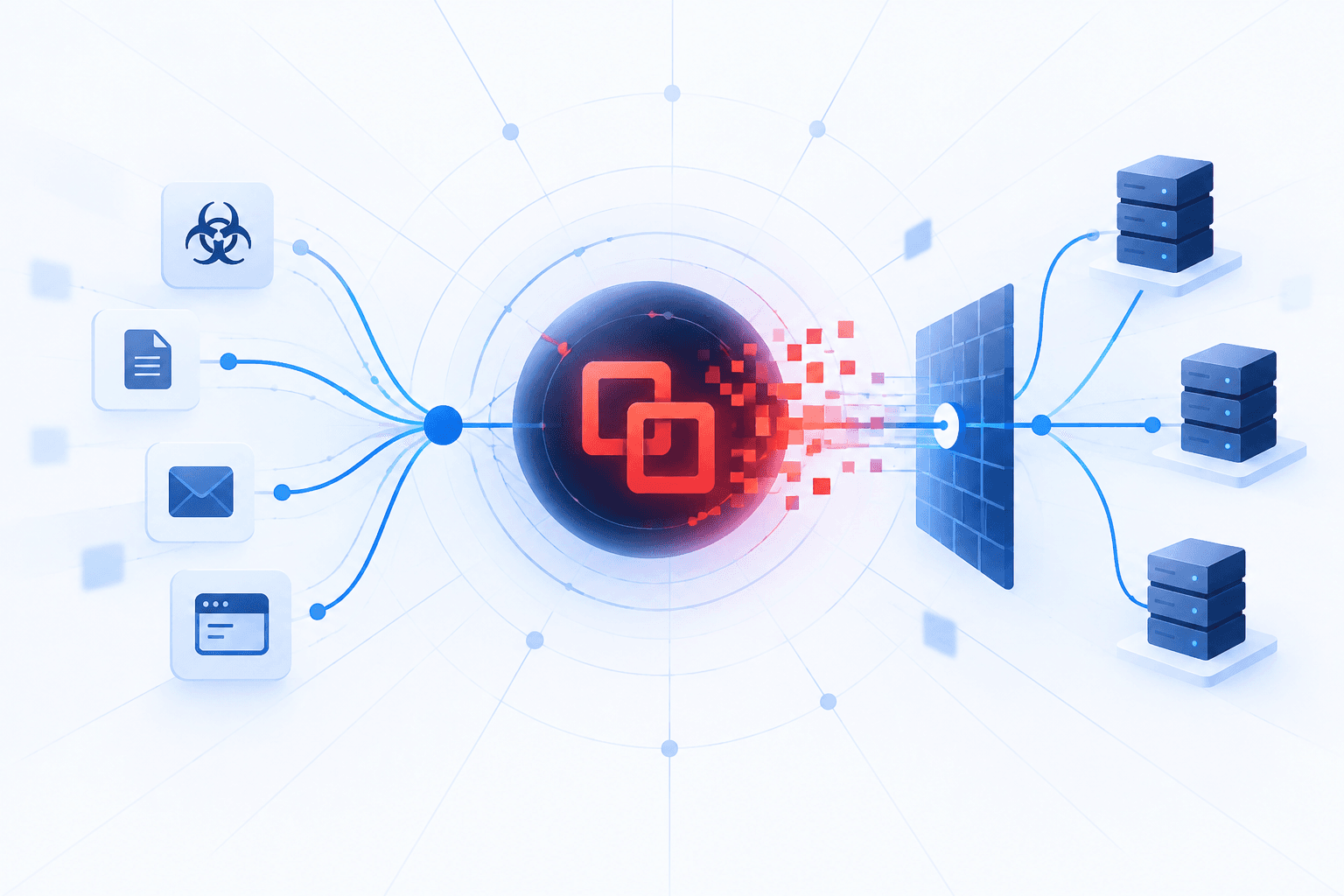
Interlock Ransomware Linked to TAG-124 Delivery and Network-Edge Exploitation

Interlock ransomware infections have been linked to SocGholish and the TAG-124 traffic distribution system, highlighting the role of malware-delivery networks in ransomware initial access. IBM X-Force’s examination of Interlock and Rhysida described access chains involving initial access brokers, ClickFix phishing, trojanized installers and exploitation of network-edge devices. Shared victims and network communications suggest a potentially closer relationship between Interlock operators and TAG-124, but that relationship remains unconfirmed. Amazon threat intelligence also reported an Interlock intrusion exploiting CVE-2026-20131 in March 2026.

The broader ransomware ecosystem shows how access can pass between distinct operators: Microsoft observed Gootloader handing access to Vanilla Tempest before deployment of the Supper backdoor and INC ransomware in September 2024. Technical artifacts presented by IBM illustrate payload download and execution, startup-folder persistence, encrypted HTTP communications, and host and Active Directory reconnaissance. Defenders should prioritize patching exposed network-edge systems, strengthening controls against deceptive installers and ClickFix lures, and monitoring startup-folder changes and reconnaissance activity to identify intrusions before encryption.

Why it matters

Summary

Interlock intrusions threaten organizations with ransomware encryption, operational disruption, recovery costs, and potential data exposure. Reported initial-access routes include deceptive downloads, ClickFix phishing, malware-delivery networks, and exploitation of network-edge devices; exploitation in the wild is reported, but the supplied material does not quantify victim numbers or identify affected industries.

  • Exposure spans users accessing compromised websites or fake software downloads and organizations operating vulnerable network-edge devices.
  • Initial access brokers and traffic distribution systems enable access to pass between operators, creating multiple paths from an initial infection to ransomware deployment.
  • Amazon threat intelligence reported an Interlock intrusion exploiting CVE-2026-20131 in March 2026.
  • Shared victims and network communications suggest a closer Interlock–TAG-124 relationship, but do not establish common ownership or control.

This is being exploited nowSee which actors are running it and whether you're in range.
Check your exposure
Event timeline

How this story unfolded

Events from the most recent confirmed update back to the earliest known activity.

8 events · May 2024 – Mar 2026
  1. Reported Jun 12, 20266mo ago

    Virus Bulletin paper presents evidence of closer Interlock–TAG-124 ties

    A paper by Julian-Ferdinand Vögele presented shared-victim and network-communication evidence suggesting a potentially stronger relationship between Interlock operators and TAG-124. The relationship was not established conclusively.

    Interlock and Rhysida within the ransomware ecosystem | IBM
  2. Reported Jun 12, 20266mo ago

    Expel identifies additional malware samples through shared signing certificates

    Expel used shared code-signing certificates to identify additional samples that X-Force classifies as Dave-crypted IceNova and Supper. The samples were likely associated with adjacent initial-access campaigns.

    Interlock and Rhysida within the ransomware ecosystem | IBM
  3. Mar 2026

    Amazon reports Interlock intrusion exploiting CVE-2026-20131

    Amazon threat intelligence published a report documenting an Interlock intrusion that exploited CVE-2026-20131 for initial access through a network edge device. March 2026 anchors the report, not the date of the intrusion.

    Interlock and Rhysida within the ransomware ecosystem | IBM
  4. Nov 2025

    Huntress documents Gootloader infections delivering Tomb-crypted Supper

    Huntress documented Gootloader infections that led to Tomb-crypted samples of the Supper backdoor.

    Interlock and Rhysida within the ransomware ecosystem | IBM
  5. Jan 2025

    Interlock ransomware deployment linked to SocGholish and apparent NodeSnake downloader

    Guidepoint reported an Interlock ransomware deployment likely involving initial access facilitated by SocGholish, followed by an apparent NodeSnake downloader.

    Interlock and Rhysida within the ransomware ecosystem | IBM
  6. Nov 2024

    Interlock-linked intrusion deploys JunkFiction downloader and Supper backdoor

    Beazley Security Labs reported an Interlock-linked incident involving malware that X-Force identifies as the JunkFiction downloader. The downloader deployed a JunkFiction-crypted Supper backdoor.

    Interlock and Rhysida within the ransomware ecosystem | IBM
  7. Sep 2024

    Gootloader hands access to Vanilla Tempest ahead of INC ransomware deployment

    Microsoft observed Gootloader handing access to Vanilla Tempest, followed by deployment of the Supper backdoor and INC ransomware. Expel also reported on the same campaign.

    Interlock and Rhysida within the ransomware ecosystem | IBM
  8. May 2024

    Rhysida uses TAG-124 to distribute Broomstick

    Recorded Future reported that Rhysida actors used the TAG-124 traffic distribution system to distribute Dave-crypted Broomstick before Interlock became active.

    Interlock and Rhysida within the ransomware ecosystem | IBM
Linked entities

Related entities

Vulnerabilities, threat actors, malware, products, organizations, breaches, and observables Mallory has linked to this story. Indicator values are masked here and available in full in the app.

Open in app →

Threat actors

2 linked

Malware

1 linked

Observables

6 linked

Indicator values are masked on this page. See the values in Mallory Domains, IPs, hashes, and URLs are exportable to your SIEM.

Do you run this?Correlate live exploitation activity against the software you actually run, and see where you're exposed.
See Who's Exploiting This
Mallory platform

See the full picture, correlated to your attack surface.

This page covers what’s public. Mallory adds the parts that aren’t: which of your assets are affected, which threat actors are using it right now, and what to deploy next.

Exposure mappingMap indicators from this story to your assets and identify affected systems in minutes.
Threat actor evidenceEvery observed campaign, victim, and pivot linked to actors named in this story.
Associated malwareMalware, exploits, and IOCs connected to the activity described here.
Detection signaturesYARA, Sigma, and Snort rules deployed to your SIEM as soon as they’re published.
Scheduled alertsGet matching new stories delivered to your team as they break, not the next morning.
AI threadsAsk questions about this story and take action on the answers.