Interlock Ransomware Uses ClickFix and Fake CAPTCHA Lures for Initial Access
Threat Actor Intelligence · 2 sources · Updated 4mo ago · First seen Jul 23, 2025
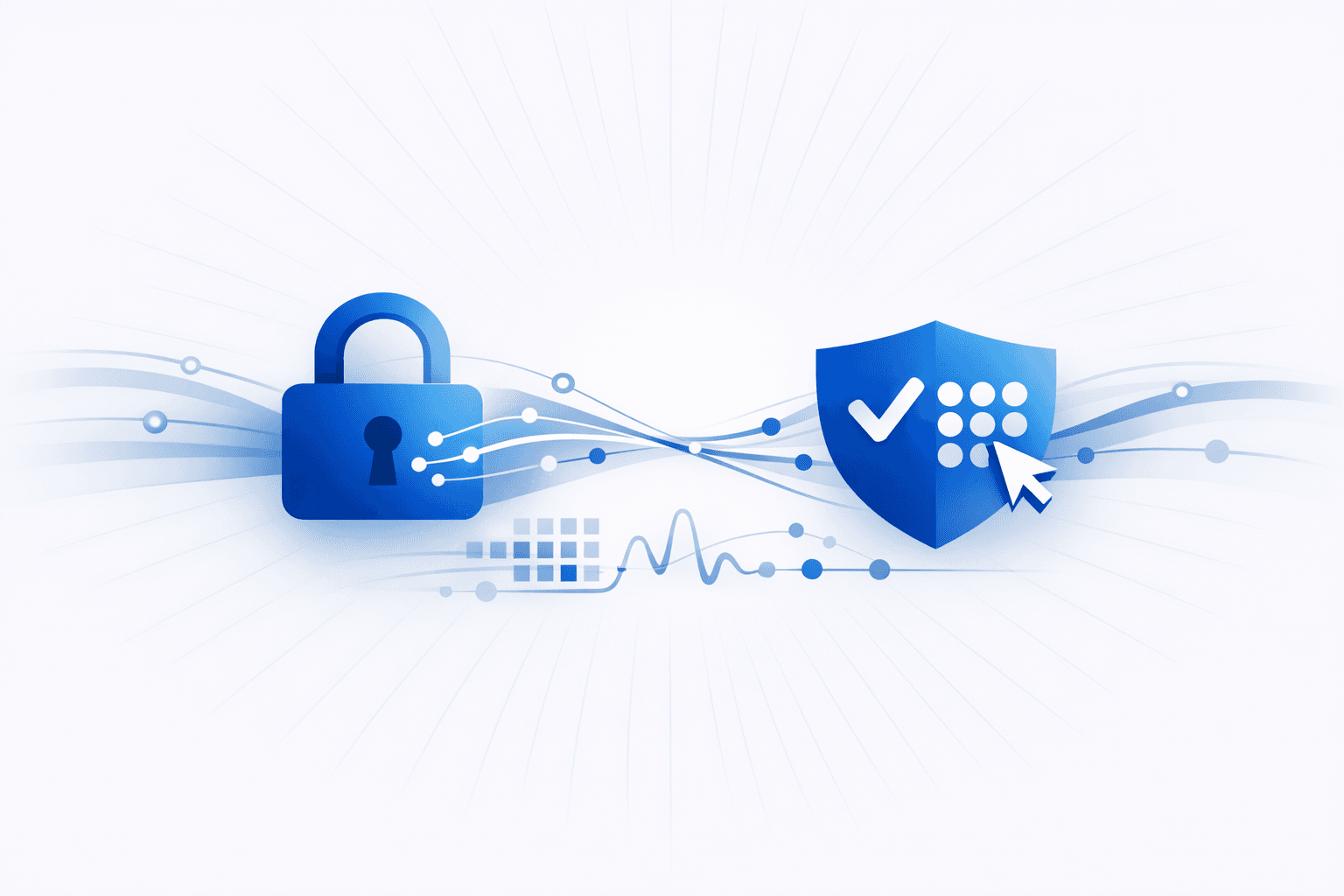
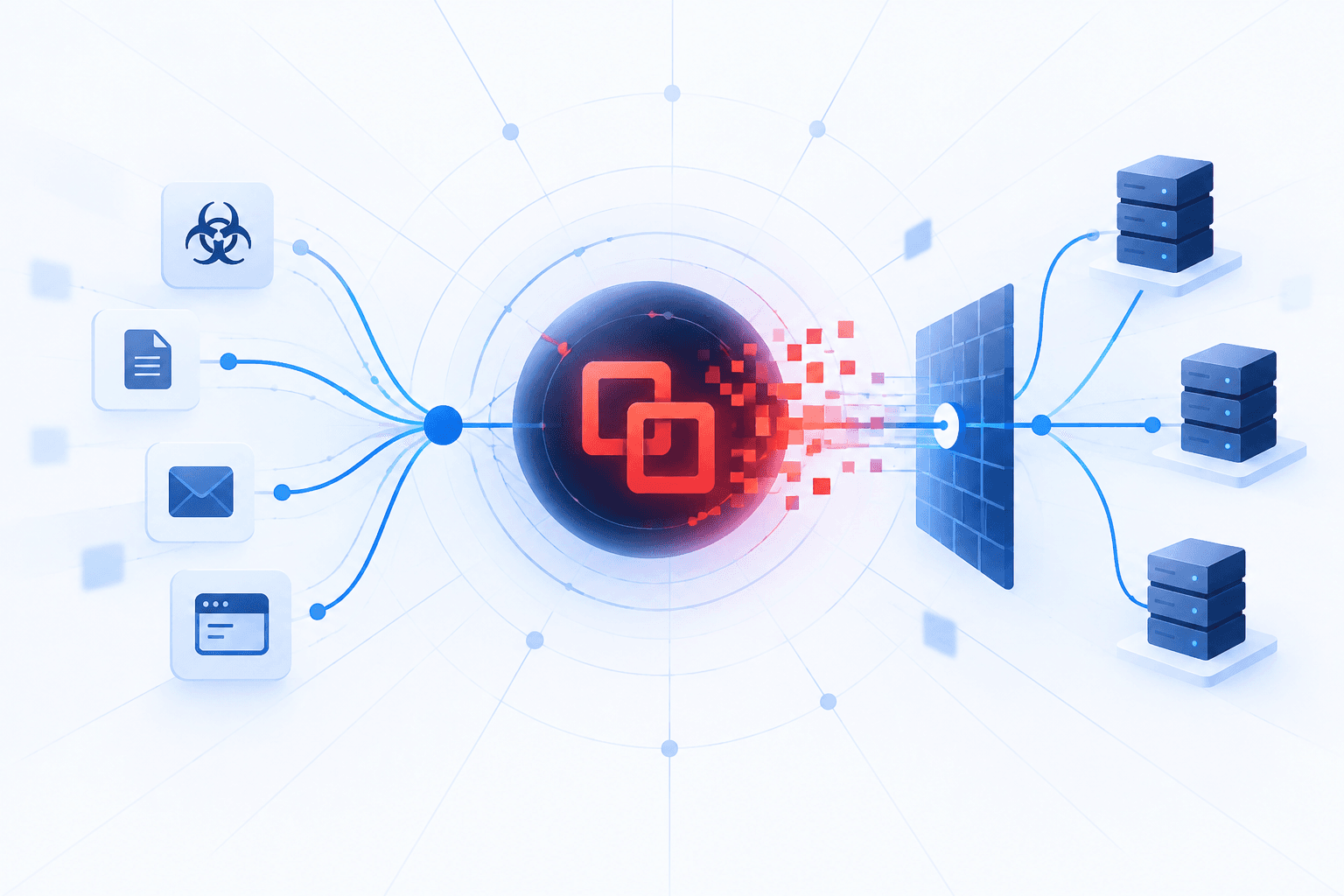
Interlock ransomware has been highlighted as a threat actor that gains initial access through ClickFix-style social engineering and fake CAPTCHA lures rather than relying on a software exploit. The activity described shows operators tricking users into executing malicious actions, then harvesting credentials and moving laterally by abusing identity, access, and configuration weaknesses inside enterprise environments before deploying ransomware.
Reporting on the broader ransomware landscape says the threat remains highly effective at scale, with Recorded Future tracking 13,000 victims and 834 ransomware families or brands over the past two years. The coverage points to Interlock as an example of how modern ransomware operations can bypass defenses focused mainly on CVE patching and compliance checklists, reinforcing CISA-linked guidance that organizations should prioritize mitigation of attack paths, credential abuse, and lateral movement risks alongside traditional vulnerability management.
Why it matters
Impact assessment
Interlock ransomware affects enterprises broadly, including businesses, non-profits, and government agencies, because its initial access relies on user deception rather than a specific vulnerable product. Impact is potentially severe: credential theft, lateral movement, ransomware deployment, operational disruption, and increasing legal/compliance exposure tied to data loss.
The scope is broad rather than narrowly targeted because ClickFix-style and fake CAPTCHA lures can be reused across many environments and do not depend on a CVE. The reporting does not provide a confirmed in-the-wild victim count specific to Interlock, but it places the activity within an active ransomware ecosystem that Recorded Future says produced 13,000 victims and 834 ransomware families or brands over the past two years.
Supporting facts
- Affected populations named in the reporting: businesses, non-profits, and government agencies.
- Interlock is described as successful over the past 18 months.
- Initial access is achieved through social engineering, reducing dependence on perimeter patch state.
- Post-compromise activity abuses identity, access, and configuration weaknesses inside enterprise environments.
- The article states ransomware risk is shifting from pure operational disruption toward legal and compliance consequences associated with data loss.
- Recorded Future observed 13,000 ransomware victims over the prior two years across the broader ransomware landscape.
- Recorded Future observed 834 unique ransomware families or brands over the same period, indicating a large and adaptive threat ecosystem.