Mallory
← Back to News
voice-social-engineeringcredential-access-methodphishing-campaign-intelligenceconsumer-discretionary-sector-threat

Com-Affiliated Vishing Campaigns Hijack Cloud Identities for Data Theft and Extortion

Social Engineering & Fraud · 19 sources · Updated 3d ago · First seen Nov 20, 2026
Com-Affiliated Vishing Campaigns Hijack Cloud Identities for Data Theft and Extortion

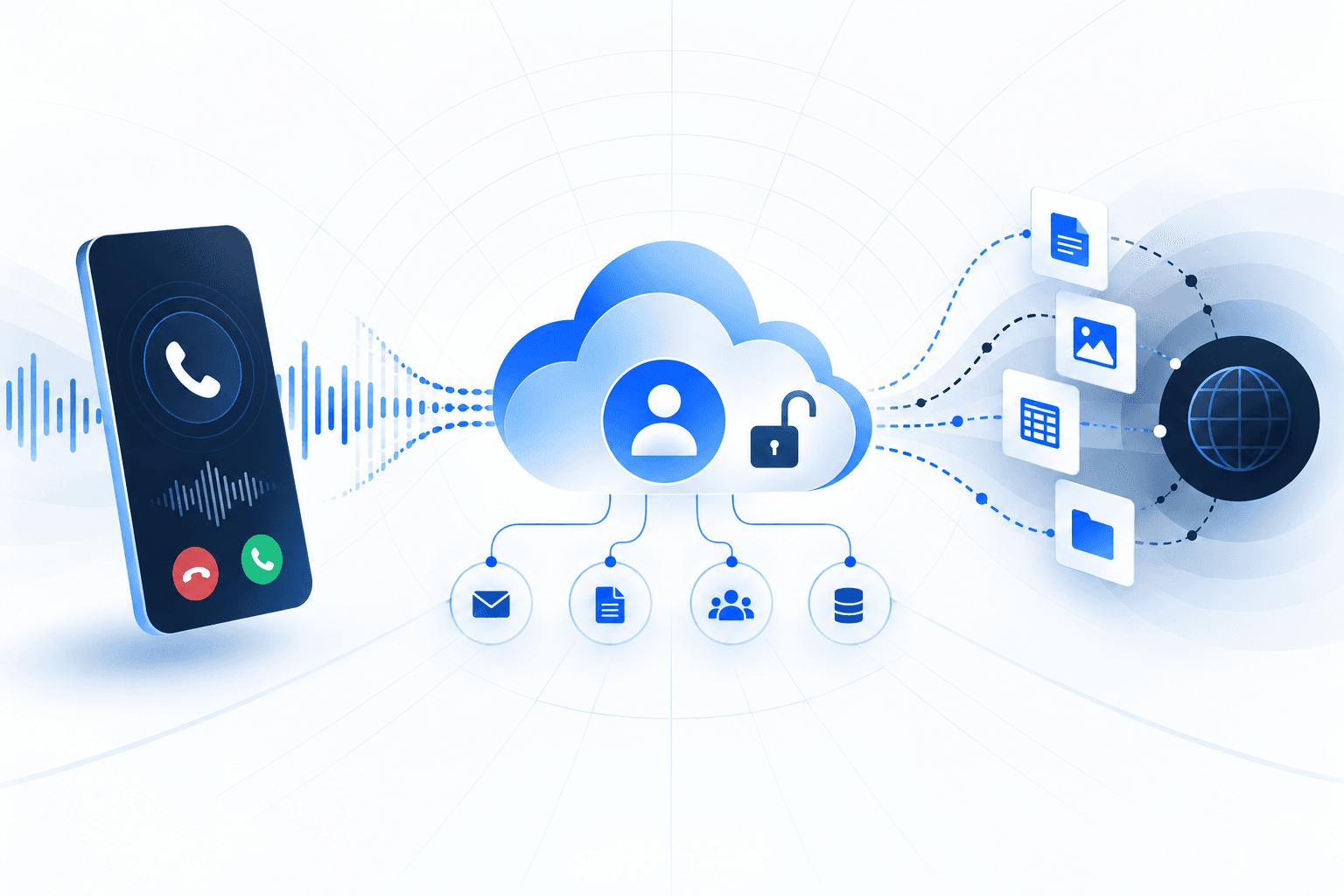
Com-affiliated attackers are using sustained voice-phishing campaigns to compromise cloud identities, steal sensitive data and extort organizations, Unit 42 reported. Activity accelerated around August 2026, primarily targeting financial services, healthcare and legal organizations in the United States, United Kingdom and Australia; healthcare targeting increased in September. Newly identified clusters Vortex and Cinder used adversary-in-the-middle phishing, unauthorized MFA enrollment or persistent session-token replay, followed by scripted collection from Microsoft cloud services. A separate investigation into Helix uncovered sideloaded browser extensions masquerading as Google Chrome that could steal authentication material, capture keystrokes and remotely control browser activity. Attackers also used internal email and Microsoft Teams messages to direct employees to Tor-hosted extortion negotiation sites.

Separately, RH-ISAC documented comparable tactics in BlackFile activity tracked as CL-CRI-1116, targeting retail and hospitality organizations since February 2026. Attackers impersonated IT helpdesk staff, lured employees to counterfeit corporate SSO portals, stole credentials and time-based one-time passwords, and sometimes enrolled attacker-controlled devices. They escalated from employee accounts to privileged and executive accounts, searched SharePoint and Salesforce using Microsoft Graph API and SaaS search capabilities, and exfiltrated data before issuing seven-figure demands. Some victims also faced SWATting targeting personnel, including executives. The reports underscore the need for stronger helpdesk and caller verification, phishing-resistant MFA, browser-extension allowlists, and monitoring for unauthorized device enrollment, suspicious sessions and bulk cloud-data exports.

Why it matters

Com-affiliated attackers have conducted recurring cloud-account compromises resulting in observed data theft and extortion, with activity accelerating around August 2026. Exposure includes patient records, legal communications, corporate strategy, investment information and, in some incidents, tens of millions of CRM and recruiting records; the principal risk is confidentiality loss and coercion rather than encryption-driven disruption. Separate BlackFile/CL-CRI-1116 reporting describes seven-figure demands and SWATting of personnel, extending the risk to employee safety. Unit 42, RH-ISAC

  • Industry-specific impact: Established. Observed targeting supports Financials (40: financial services and insurance), Health Care (35: healthcare and pharmaceuticals), Industrials (20: legal/professional services, construction, transportation, logistics and manufacturing), Information Technology (45: high technology), and Real Estate (60: real estate). RH-ISAC separately establishes targeting of Consumer Discretionary (25: retail and hospitality). These are reported targets, not evidence that every organization in those sectors was compromised. Unit 42, The Hacker News, RH-ISAC
  • Geography-specific impact: Established for the United States (US), United Kingdom (GB) and Australia (AU), where targeted organizations were reported. Most observed August–October targets were in the United States; Australian targeting reached approximately 13% of observed targeting subdomains in October. These infrastructure-derived targeting measures are not breach counts and do not establish exclusive geographic exposure. Unit 42
  • Scope and severity: This is sustained, multi-cluster activity rather than one isolated incident. Healthcare overtook financial services in observed targeting in September and remained the leading targeted sector in October; disclosure of stolen information could produce substantial regulatory, legal and commercial consequences. Unit 42, The Hacker News
Is your org in this campaign?Get the infrastructure and lures behind it.
Hunt this campaign
Event timeline

How this story unfolded

Events from the most recent confirmed update back to the earliest known activity.

11 events · 2026 – Nov 23, 2026
  1. Nov 23, 20266d ago

    Gurucul publishes indicators and detection queries for Com-affiliated campaigns

    Gurucul's advisory supplies domain, URL, IP address and SHA-256 indicators for Com-affiliated vishing and data-theft campaigns. It also provides detection queries matching those indicators against domain, URL, source and destination IP, and file-hash fields.

    Dialing for Data: Inside the Com’s High-Profile Heists | Community Portal | Gurucul
  2. Reported Nov 20, 20268d ago

    Helix investigation uncovers malicious extensions masquerading as Google Chrome

    Unit 42 identified two sideloaded extensions masquerading as Google Chrome that shared a command-and-control server and hard-coded API key; documented capabilities included authentication theft, keylogging and remote browser control. Researchers assessed with moderate confidence that Helix developed the extensions and found no evidence of their use by other Com-affiliated actors.

    Dialing for Data: Inside the Com’s High-Profile Heists
  3. Nov 20, 20269d ago

    Unit 42 publishes research identifying seven Com-affiliated vishing clusters

    Unit 42 published research documenting seven Com-affiliated threat clusters conducting vishing, cloud-data theft and extortion, identifying Doko's Panel as shared adversary-in-the-middle phishing tooling. The report also identified Falcon (CL-CRI-1182) and linked Helix (CL-CRI-1192) to Google's UNC6671 designation.

    Campagnes de vishing Com-affiliées : vol de données et extorsion ciblant finance, santé et juridique | CyberVeille
  4. Oct 2026

    Australian organizations become the second-most-targeted national group

    Australian organizations accounted for approximately 13% of observed targeting subdomains in October, up from less than 1% in August and September. Australia became the second-most-targeted country, while the United States remained the primary target.

    Dialing for Data: Inside the Com’s High-Profile Heists
  5. Sep 2026

    Unit 42 identifies Cinder using persistent session tokens to evade MFA

    Unit 42 first identified Cinder using vishing and replaying persistent session tokens through proxy infrastructure to avoid additional Duo MFA prompts. The cluster collected SharePoint and OneDrive data using Python requests and the Microsoft Graph SDK, then distributed extortion demands through compromised email and Microsoft Teams accounts.

    Dialing for Data: Inside the Com’s High-Profile Heists
  6. Sep 2026

    Unit 42 identifies Vortex targeting healthcare and medical organizations

    Unit 42 first identified Vortex impersonating internal IT support and using adversary-in-the-middle phishing to compromise accounts, primarily at healthcare, pharmaceutical and other medical organizations. Operators enrolled unauthorized MFA devices, scripted Microsoft 365 data theft, and delivered extortion messages through Microsoft Teams.

    Dialing for Data: Inside the Com’s High-Profile Heists
  7. Sep 2026

    Healthcare overtakes financial services as the leading targeted industry

    Healthcare targeting surpassed financial services targeting in September, according to Unit 42's domain-based monitoring, and remained the leading targeted industry in October.

    Dialing for Data: Inside the Com’s High-Profile Heists
  8. Aug 2026

    Com-affiliated vishing campaigns accelerate

    Campaign activity accelerated significantly around August 2026, using identity compromise to steal cloud-hosted data and extort organizations. Domain-based monitoring showed financial services targeting was approximately twice healthcare targeting that month.

    Dialing for Data: Inside the Com’s High-Profile Heists
  9. May 2026

    Unit 42 first observes the Pink activity cluster

    Unit 42 first observed CL-CRI-1147, also known as Pink, in May 2026. Researchers identified it among the Com-affiliated clusters associated with cloud-account intrusions, data theft, and extortion.

    Com-Affiliated Hackers Hijack Cloud Accounts via Vishing for Data Theft and Extortion
  10. Feb 2026

    BlackFile campaign begins targeting retail and hospitality organizations

    CL-CRI-1116, known as BlackFile and later Redact, began targeting retail and hospitality organizations through fake IT-helpdesk calls and corporate SSO phishing pages. RH-ISAC described cloud-data theft, typically seven-figure ransom demands, and SWATting of company personnel as tactics used in the campaign.

    RH-ISAC | Extortion in the Enterprise: Defending Against BlackFile Attacks - RH-ISAC
  11. 2026

    Com-affiliated actors conduct data-theft and extortion attacks

    Numerous data-theft and extortion incidents occurred from early 2026 onward that Unit 42 attributed to Bling Libra, also known as ShinyHunters, and other Com-affiliated actors.

    Dialing for Data: Inside the Com’s High-Profile Heists
Linked entities

Related entities

Vulnerabilities, threat actors, malware, products, organizations, breaches, and observables Mallory has linked to this story. Indicator values are masked here and available in full in the app.

Open in app →

Malware

1 linked

Affected products

4 linked
OnedriveSharepointSalesforceMicrosoft 365

Observables

86 linked

Indicator values are masked on this page. View all 86 in Mallory Domains, IPs, hashes, and URLs are exportable to your SIEM.

Do you run this?Get the infrastructure, lures, and IOCs behind this campaign, ready to push into your email and identity stack.
Hunt This Campaign
Mallory platform

See the full picture, correlated to your attack surface.

This page covers what’s public. Mallory adds the parts that aren’t: which of your assets are affected, which threat actors are using it right now, and what to deploy next.

Exposure mappingMap indicators from this story to your assets and identify affected systems in minutes.
Threat actor evidenceEvery observed campaign, victim, and pivot linked to actors named in this story.
Associated malwareMalware, exploits, and IOCs connected to the activity described here.
Detection signaturesYARA, Sigma, and Snort rules deployed to your SIEM as soon as they’re published.
Scheduled alertsGet matching new stories delivered to your team as they break, not the next morning.
AI threadsAsk questions about this story and take action on the answers.