Mallory
← Back to News
voice-social-engineeringcredential-access-methodpersistence-methodphishing-campaign-intelligence

Extortion Groups Impersonate IT Help Desks to Steal Identities and Maintain Cloud Access

Social Engineering & Fraud · 2 sources · Updated 2mo ago · First seen Oct 13, 2026

Extortion Groups Impersonate IT Help Desks to Steal Identities and Maintain Cloud Access

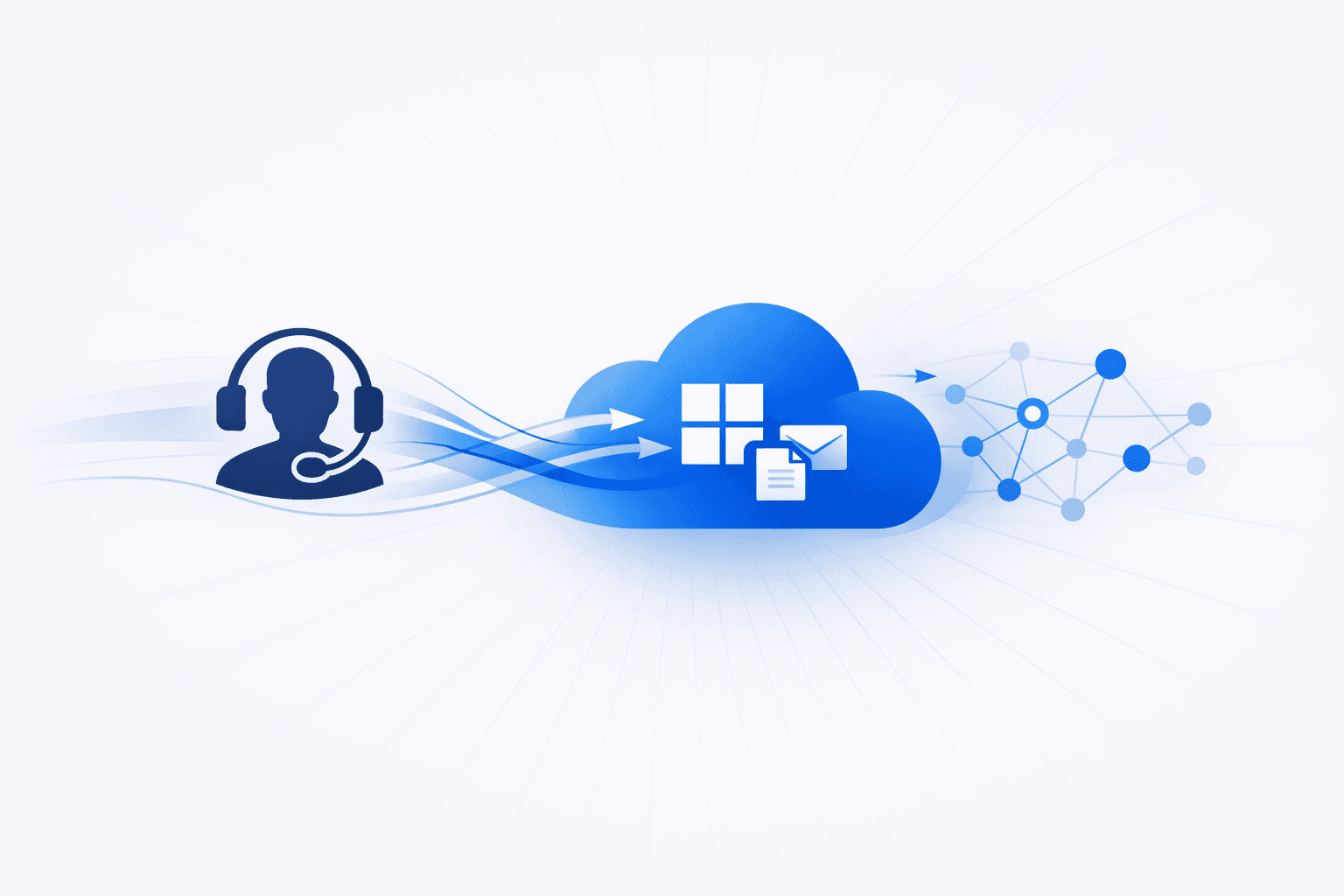
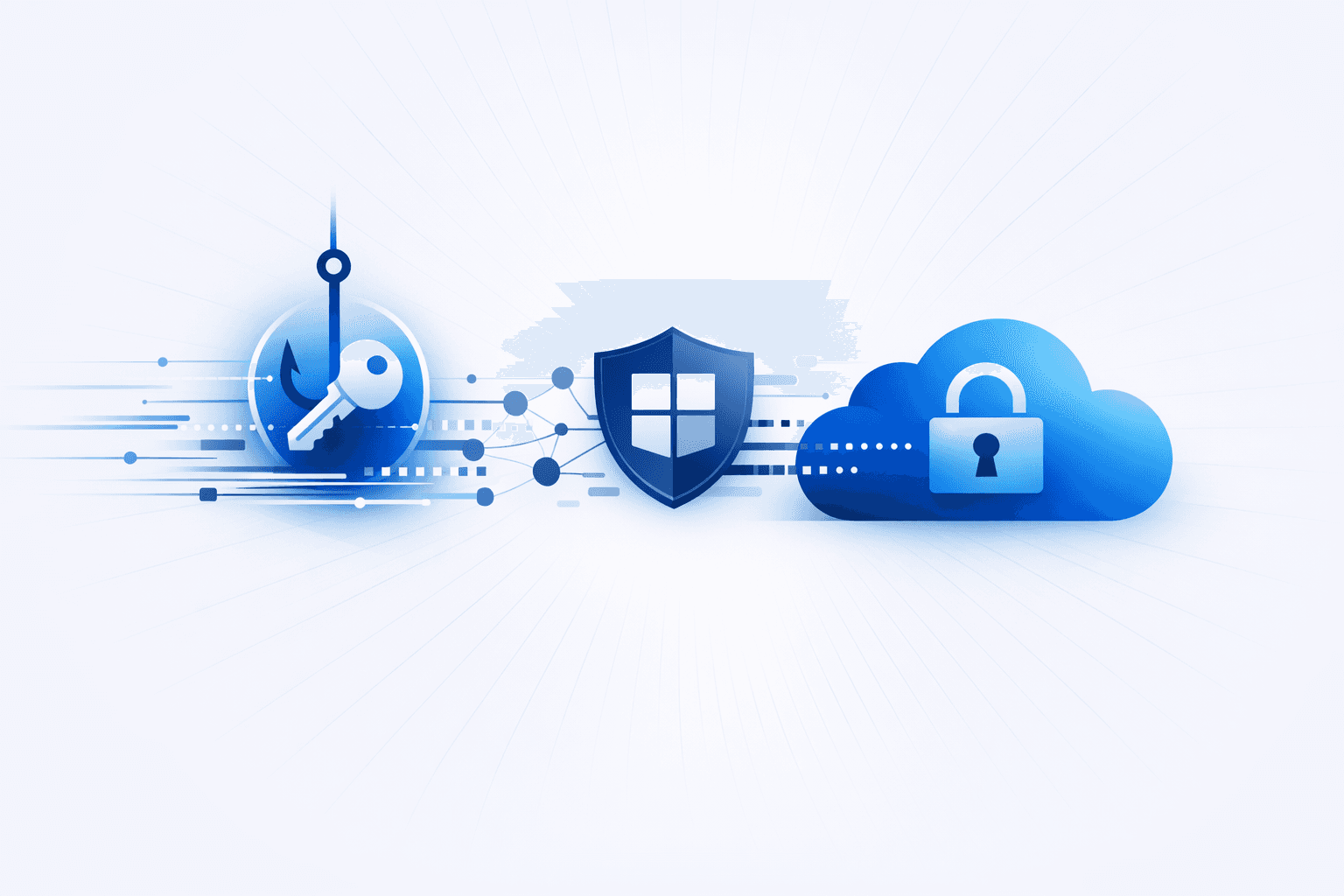
Extortion groups are impersonating internal IT support through voice calls and external Microsoft Teams messages to gain access to enterprise accounts. ReliaQuest reported a surge in these techniques, with its June–August 2026 findings linking identity-led intrusions to ShinyHunters and Helix. Attackers persuaded employees to approve authentication requests, complete device-code authentication, or install remote-support software. Stolen tokens, altered multifactor authentication settings, and attacker-controlled device registrations enabled persistent access that sometimes survived routine password resets or session termination. Compromised identities were then used to enumerate SharePoint sites and download data for extortion across multiple industries.

These intrusions can initially resemble legitimate authentication and account-management activity, making isolated login alerts insufficient to establish the full scope of compromise. Legitimate remote-management tools and over-privileged accounts also supported persistence, lateral movement, and data collection; ReliaQuest separately observed the Gryxa toolkit using remote-management software for redundant persistence. Defenders should correlate identity and authentication changes with subsequent SaaS access and administrative activity, rather than treating a password reset as complete remediation. ReliaQuest recommends removing unauthorized authentication methods and persistence mechanisms, verifying endpoint monitoring coverage, and retaining sufficient logs to determine whether attackers stole data.

Why it matters

Summary

ReliaQuest observed help-desk impersonation attacks across multiple industries during June–August 2026, with ShinyHunters and Helix using compromised enterprise identities to steal SaaS data for extortion. Unauthorized device registrations, authentication methods, and refresh tokens enabled persistence that could survive routine password resets or session termination, making incomplete remediation a material risk.

  • Affected populations: Employees using Microsoft Teams, Microsoft Entra ID, SharePoint, and remote-support tools, particularly users operating unmanaged devices or holding excessive privileges.
  • Business consequences: Exposure of corporate and client information, extortion demands, response costs, and potential operational disruption through lateral movement and ransomware.
  • Scope: A sustained, cross-industry wave rather than a single victim incident. The references do not quantify victim counts or aggregate losses.
  • Observed exploitation: ReliaQuest documented actual identity compromises and SharePoint collection. In one Helix case, data access began six minutes after a new MFA method was registered.
  • Additional exposure in the ReliaQuest report: Gryxa persistence, Booba ransomware, and a reported Clop-linked PTC Windchill campaign demonstrate separate endpoint, credential-reuse, and engineering-data risks. These are not established as stages of the same help-desk campaign.
  • Source context: KnowBe4 summarizes ReliaQuest’s findings; the ReliaQuest report concerns third-party incidents, not a breach of ReliaQuest.

Is your org in this campaign?Get the infrastructure and lures behind it.
Hunt this campaign
Event timeline

How this story unfolded

Events from the most recent confirmed update back to the earliest known activity.

10 events
  1. Reported Sep 30, 20262mo ago

    Clop-linked campaign exploits PTC Windchill and deploys a custom web shell

    ReliaQuest described a Clop-linked campaign exploiting CVE-2026-12569 in PTC Windchill to deploy a custom web shell. The implant could map engineering files, decrypt administrative and directory credentials from the application keystore, and load additional Java code directly into memory.

    What’s Trending: Top Cyber Attacker Techniques, June-August 2026
  2. Reported Sep 30, 20262mo ago

    Separate domain-compromise investigation finds share access and cloud connections

    Another domain-compromise incident showed access to internal shares and connections to cloud storage. Investigators could not identify the files or volume transferred.

    What’s Trending: Top Cyber Attacker Techniques, June-August 2026
  3. Reported Sep 30, 20262mo ago

    Chaos ransomware operators claim data theft without confirmed exfiltration

    ReliaQuest observed some Chaos ransomware operators claiming data theft without confirmed evidence of exfiltration. The report distinguished those claims from verified data-transfer findings.

    What’s Trending: Top Cyber Attacker Techniques, June-August 2026
  4. Reported Sep 30, 20262mo ago

    Booba ransomware encrypts multiple hosts from an unmonitored virtual machine

    An attacker operated from an internal virtual machine without an EDR sensor and reused a compromised local administrator credential across multiple hosts. Encryption began within seconds of authentication, spread remotely over SMB, and also affected the initial foothold through the compromised user’s local session.

    What’s Trending: Top Cyber Attacker Techniques, June-August 2026
  5. Reported Sep 30, 20262mo ago

    Gryxa returns within seven days after defenders remove its visible implant

    In one investigated environment, Gryxa returned within seven days of removal of its visible implant, supported by redundant persistence mechanisms. A surviving component uploaded Windows logs and response-related host artifacts to attacker infrastructure.

    What’s Trending: Top Cyber Attacker Techniques, June-August 2026
  6. Reported Sep 30, 20262mo ago

    Teams help-desk impersonation leads to full domain compromise

    In a separate intrusion, an attacker impersonated IT support through an external Microsoft Teams tenant and used Quick Assist to steal credentials. The attacker reused those credentials through VPN, RDP, SMB, and Impacket to achieve full domain compromise.

    What’s Trending: Top Cyber Attacker Techniques, June-August 2026
  7. Reported Sep 30, 20262mo ago

    Helix uses a second compromised account to deliver a Teams extortion demand

    In observed Helix activity, one compromised account enumerated and downloaded SharePoint data over several days. A second account compromised later delivered the extortion demand through Microsoft Teams.

    What’s Trending: Top Cyber Attacker Techniques, June-August 2026
  8. Reported Sep 30, 20262mo ago

    Helix accesses SharePoint six minutes after a new MFA method is registered

    In one observed Helix case, SharePoint access occurred six minutes after registration of a new MFA method. ReliaQuest identified vishing and device-code phishing as methods Helix used to compromise accounts before enumerating SharePoint sites and downloading files.

    What’s Trending: Top Cyber Attacker Techniques, June-August 2026
  9. Reported Sep 30, 20262mo ago

    ShinyHunters uses stolen tokens and device registrations to collect SaaS data

    ReliaQuest observed ShinyHunters replaying stolen refresh tokens, registering attacker-controlled devices, and using legitimate SaaS APIs to automate bulk data collection for extortion. The activity formed part of a broader wave of identity-led attacks involving help-desk impersonation.

    What’s Trending: Top Cyber Attacker Techniques, June-August 2026
  10. Reported Sep 30, 20262mo ago

    Device-code phishing campaign enrolls attacker-controlled devices in Entra ID

    In an observed campaign, attackers registered multiple devices to compromised Microsoft Entra ID accounts, obtaining Primary Refresh Tokens that could renew while those devices remained active. Unauthorized device registrations could preserve access after routine password resets or session termination.

    What’s Trending: Top Cyber Attacker Techniques, June-August 2026
Linked entities

Related entities

Vulnerabilities, threat actors, malware, products, organizations, breaches, and observables Mallory has linked to this story. Indicator values are masked here and available in full in the app.

Open in app →

Threat actors

1 linked

Observables

1 linked

Indicator values are masked on this page. See the values in Mallory Domains, IPs, hashes, and URLs are exportable to your SIEM.

Do you run this?Get the infrastructure, lures, and IOCs behind this campaign, ready to push into your email and identity stack.
Hunt This Campaign
Mallory platform

See the full picture, correlated to your attack surface.

This page covers what’s public. Mallory adds the parts that aren’t: which of your assets are affected, which threat actors are using it right now, and what to deploy next.

Exposure mappingMap indicators from this story to your assets and identify affected systems in minutes.
Threat actor evidenceEvery observed campaign, victim, and pivot linked to actors named in this story.
Associated malwareMalware, exploits, and IOCs connected to the activity described here.
Detection signaturesYARA, Sigma, and Snort rules deployed to your SIEM as soon as they’re published.
Scheduled alertsGet matching new stories delivered to your team as they break, not the next morning.
AI threadsAsk questions about this story and take action on the answers.