PREY-0058 Uses Fake IT Help-Desk Calls to Steal Microsoft 365 Data
Social Engineering & Fraud · 6 sources · Updated 3mo ago · First seen Sep 7, 2026
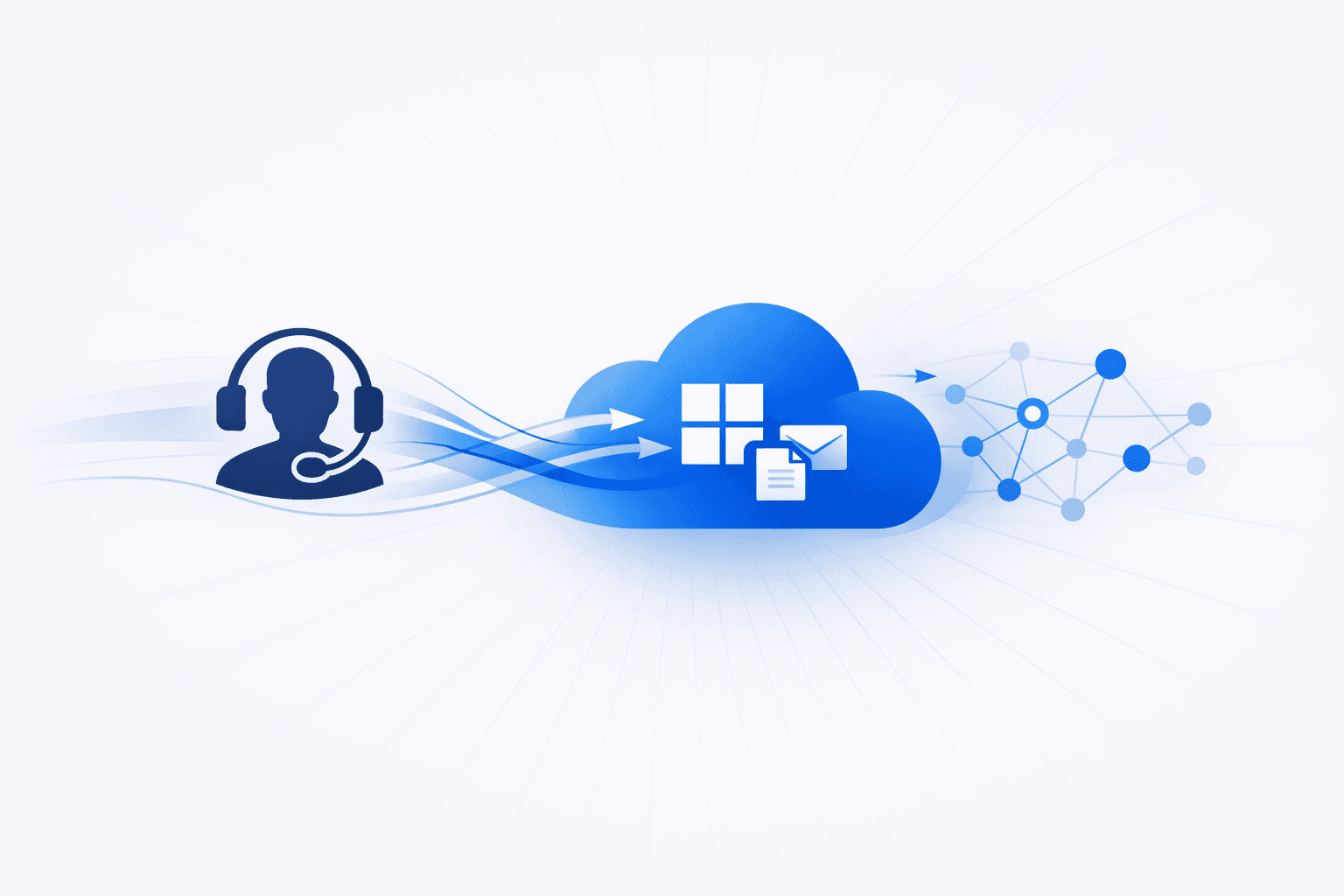
The PREY-0058 threat cluster is targeting executives with voice-phishing calls impersonating internal IT help-desk staff. Operators direct victims to fraudulent Microsoft 365 authentication pages using adversary-in-the-middle phishing, capturing credentials, MFA approvals, and authenticated session tokens. They replay those tokens through residential proxies—frequently NodeMaven addresses selected to match the victim’s apparent geography and network profile—to bypass normal MFA protections.
After gaining access, the attackers enumerate Microsoft Entra ID and SharePoint and bulk-exfiltrate information from SharePoint, OneDrive, Exchange, and Box before issuing extortion demands. The activity overlaps with tradecraft attributed to UNC6671 and potentially Cinder or Pink-linked operations. Organizations should verify unexpected IT calls through trusted channels, require managed devices and phishing-resistant MFA such as FIDO2 keys or device-bound passkeys, restrict proxy-originated access, enable Continuous Access Evaluation, and monitor for token replay and anomalous bulk SaaS-data collection.
Why it matters
Impact assessment
PREY-0058 is conducting widespread, U.S.-focused cloud data-theft and extortion campaigns against Microsoft 365 and other SaaS tenants, with directors, vice presidents, executives, and IT personnel as primary targets. A successful compromise enables rapid theft of email and cloud-resident business data without endpoint malware, creating severe confidentiality, regulatory, financial-extortion, and reputational consequences.
Affected organizations and scope
- Primary target sectors: construction and engineering, healthcare and pharmaceuticals, real estate and property management, finance, and professional services.
- Primary platforms: Microsoft 365, Microsoft Entra ID, Exchange Online, SharePoint Online, OneDrive, Box, and in some cases Okta or Duo SSO environments.
- Targeting is widespread rather than limited to a single vertical or geography, although reported victims are predominantly U.S.-based.
- Executive accounts are high-value because their existing access can expose broad SharePoint repositories, mailboxes, business communications, and connected SaaS applications.
Business consequences
- Attackers exfiltrate emails, attachments, SharePoint and OneDrive files, and Box data, then demand payment under threat of public disclosure.
- Reported extortion contacts use TOX and commonly impose a 72-hour deadline; actors may provide data samples as proof of possession.
- The absence of malware and network lateral movement does not reduce impact: cloud-only collection can evade endpoint-centric controls and complete before initial-access activity is detected.
- The provided reporting identifies active exploitation through social engineering and AiTM session theft. No software vulnerability or CVE is involved.
Entities
- Threat cluster: PREY-0058, also known as Cordial Spider; previously referenced as UNC667.
- Tradecraft overlap: UNC6671.
- Associated extortion brands: BlackFile, Pink, Helix, Cinder, and Redact. These labels do not establish a single confirmed actor identity.
- Assessment: Cinder may be a Pink continuation or rebrand with moderate confidence.