Passkey-Themed Phishing Enables Microsoft Cloud Identity and Data Theft
Social Engineering & Fraud · 15 sources · Updated 2mo ago · First seen Sep 9, 2026
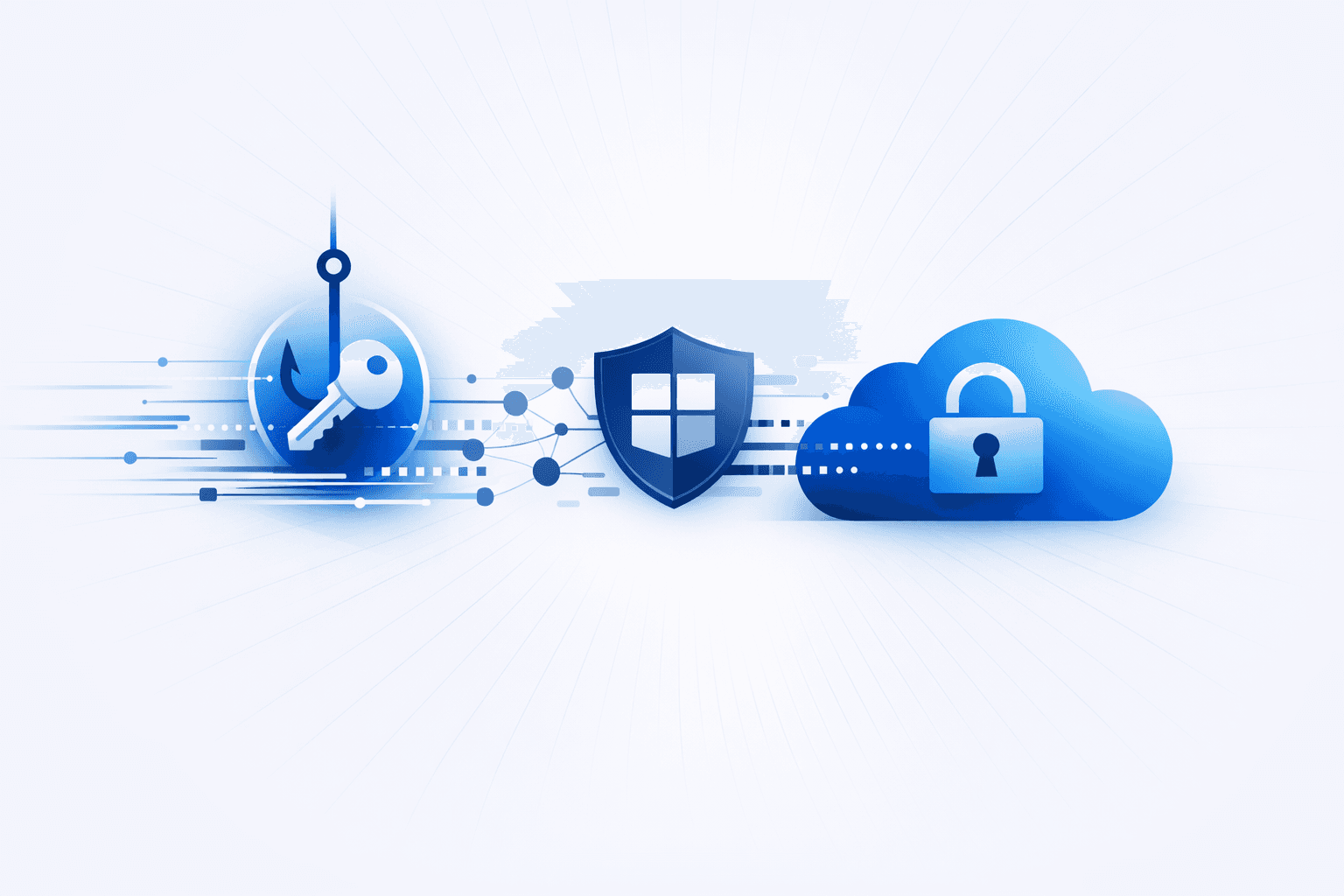
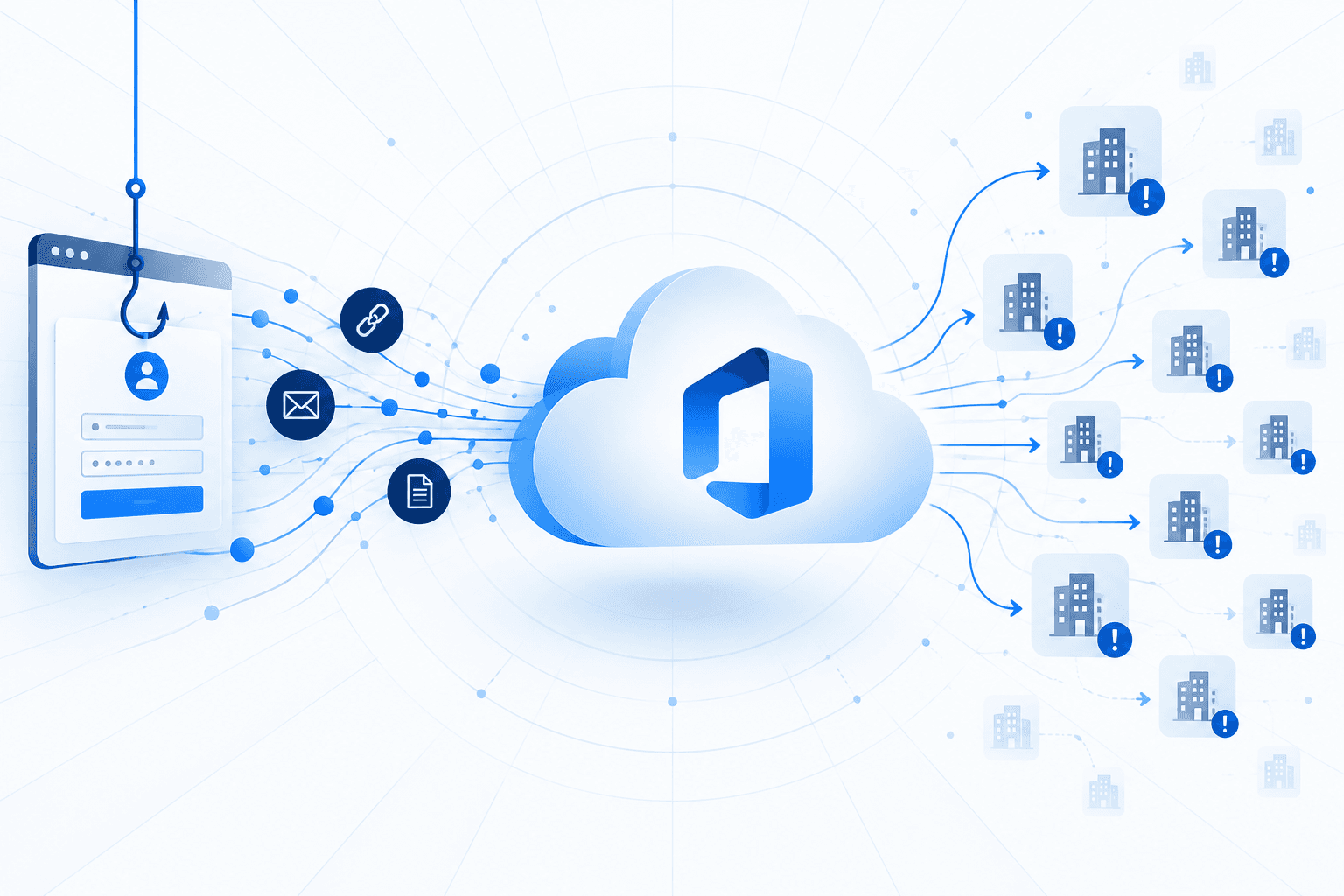
Microsoft Security Research reported cloud-account intrusions active since May 2026 in which attackers impersonate IT helpdesks through phone calls, SMS, and occasionally Microsoft Teams. The campaigns use passkey-, MFA-, and SSO-themed lures to direct users to adversary-in-the-middle phishing pages or device-code authentication flows, capturing credentials, session tokens, or attacker-authorized tokens for Microsoft cloud identities.
After gaining access, the actors register attacker-controlled MFA methods, enumerate tenant resources through Microsoft Graph, and steal data from SharePoint, OneDrive, Exchange mailboxes, and attachments. Microsoft linked the initial-access ecosystem to Storm-3121, associated with ShinyHunters and Falcon extortion activity, and Storm-3032, a BlackFile splinter operating under the Helix banner; defenders should investigate identity and cloud telemetry, revoke sessions and refresh tokens, remove unauthorized authentication methods, and require phishing-resistant MFA with restrictive Conditional Access policies.
Why it matters
Summary
This active campaign compromises Microsoft 365 identities through highly targeted helpdesk impersonation, passkey/MFA/SSO lures, adversary-in-the-middle (AiTM) phishing, and device-code authorization abuse. A successful compromise enables persistent tenant access and systematic theft of SharePoint, OneDrive, and Exchange Online data, creating material extortion, regulatory, financial, and reputational risk.
Affected scope
- Affected products and identities: Microsoft Entra ID and Microsoft 365 identities; SharePoint Online, OneDrive for Business, Exchange Online, Microsoft Graph, Microsoft Teams, and connected SSO applications.
- Targeting is selective and reconnaissance-driven, but applies broadly to organizations using Microsoft cloud identities. Reported sector targeting includes financial services, high technology, IT services, non-profits, professional/legal services, transportation/logistics, wholesale, and retail.
- Personal, unmanaged mobile devices are a key exposure point because SMS and voice lures can occur outside endpoint-monitoring coverage.
Severity and known activity
- Microsoft has tracked active intrusions across multiple accounts since May 2026.
- The actors maintain persistence by adding attacker-controlled MFA methods, then enumerate tenant privileges and extract cloud documents, mail, and attachments over hours or days.
- Microsoft associates the initial-access ecosystem with Storm-3121, linked to ShinyHunters and Falcon extortion activity, and Storm-3032, a BlackFile splinter operating under the Helix banner. Google tracking overlaps under UNC6671.
- Collection is deliberately throttled to fewer than 1,000 files or emails per hour, reducing the effectiveness of simple volume-based detection controls.