Microsoft 365 Phishing Campaign Hijacks Identities for Stealthy BEC and Mail Access
Social Engineering & Fraud · 6 sources · Updated 4mo ago · First seen Aug 7, 2026
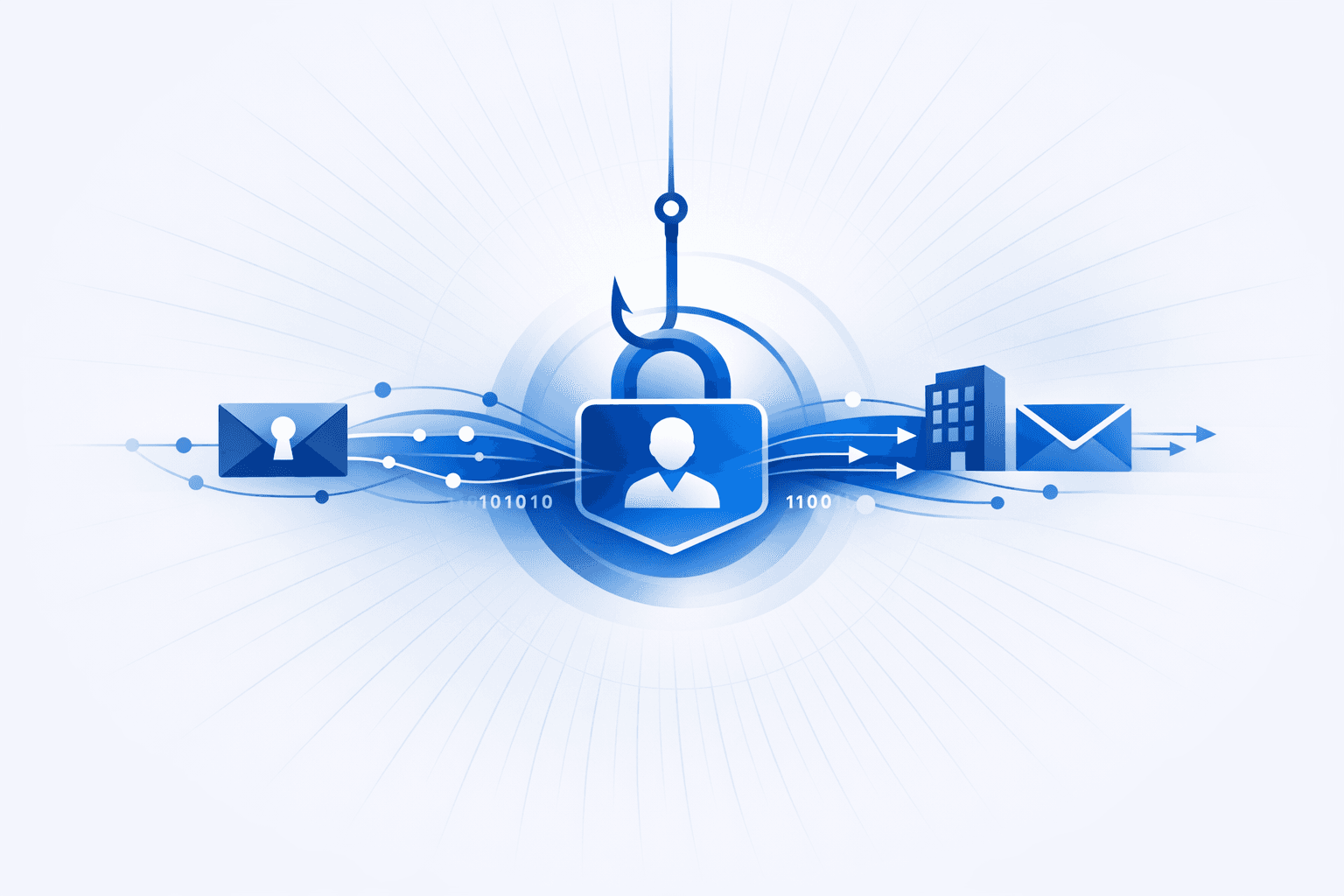
A widespread phishing campaign is compromising Microsoft 365 accounts with adversary-in-the-middle login pages that capture session material even when MFA is enabled, then using those identities to target payroll, HR, finance, and administrative staff across healthcare, education, manufacturing, government, and professional services in the United States, Canada, and Europe. Arctic Wolf said the activity aligns technically and behaviorally with Microsoft-tracked Storm-2755 (also known as Payroll Pirates), with attackers maintaining access through rotating residential proxies and automated session activity roughly every eight hours while quietly collecting mailbox data tied to financial workflows.
Reporting also shows the intrusions can progress without additional device compromise, shifting instead into identity-plane lateral movement inside Entra ID and Microsoft 365. After an initial phish, attackers can use stolen session tokens to enumerate the tenant through Microsoft Graph, register a malicious Entra ID application, create a service principal, grant permissions such as Mail.Read and Mail.Send, and access other users’ mailboxes, including executives, before sending fraudulent messages through Graph API that pass SPF and DKIM checks. Defenders were urged to correlate cloud identity, Graph, sign-in, and email telemetry for signals including OfficeHome error 90014, anomalous Outlook sign-ins with Firefox user agents, repeated SessionID reuse across changing IPs and geographies, suspicious app registrations, credential additions to service principals, and unusual application access to user mailboxes.
Why it matters
Impact assessment
This campaign affects Microsoft 365 and Entra ID tenants across healthcare, education, manufacturing, government, and professional services, with observed targeting in the United States, Canada, and Europe. Impact is high because attackers can bypass the practical protection of conventional MFA by stealing authenticated session material, then quietly access sensitive mailboxes tied to payroll, HR, finance, and executive workflows to enable business email compromise and payroll fraud.
The exposure is widespread rather than narrowly targeted: Arctic Wolf reported hundreds of organizations received phishing emails in July 2026, with successful intrusions across multiple environments. Exploitation in the wild is confirmed, and the actor’s restrained post-compromise behavior increases dwell time risk by avoiding noisy actions such as password changes or broad outbound phishing.
Supporting facts
- Threat cluster overlap: Storm-2755, also known as Payroll Pirates; some related elements also align with Storm-2657.
- Primary objective: mailbox access and financial-workflow intelligence collection to support BEC and payroll fraud.
- User populations at highest risk: payroll, HR, finance, administrative staff, and executives.
- Business impacts:
- Unauthorized access to invoices, payments, banking, benefits, payroll, and internal documents
- Fraudulent email sent through Microsoft Graph API that can pass SPF and DKIM checks
- Potential salary rerouting, wire fraud, and reputational damage from trusted-account abuse
- Scope indicators:
- Hundreds of organizations targeted by email in July 2026
- Successful intrusions observed in multiple victim environments
- Victims observed across North America and Europe
- Operational concern: attacks can progress without additional endpoint compromise, reducing endpoint-based detection opportunities and shifting risk into the identity plane.