Ransomware Leak-Site Claims Hit Record as Activity Spreads Across 117 Brands
Threat Actor Intelligence · 6 sources · Updated 4d ago · First seen Nov 18, 2026
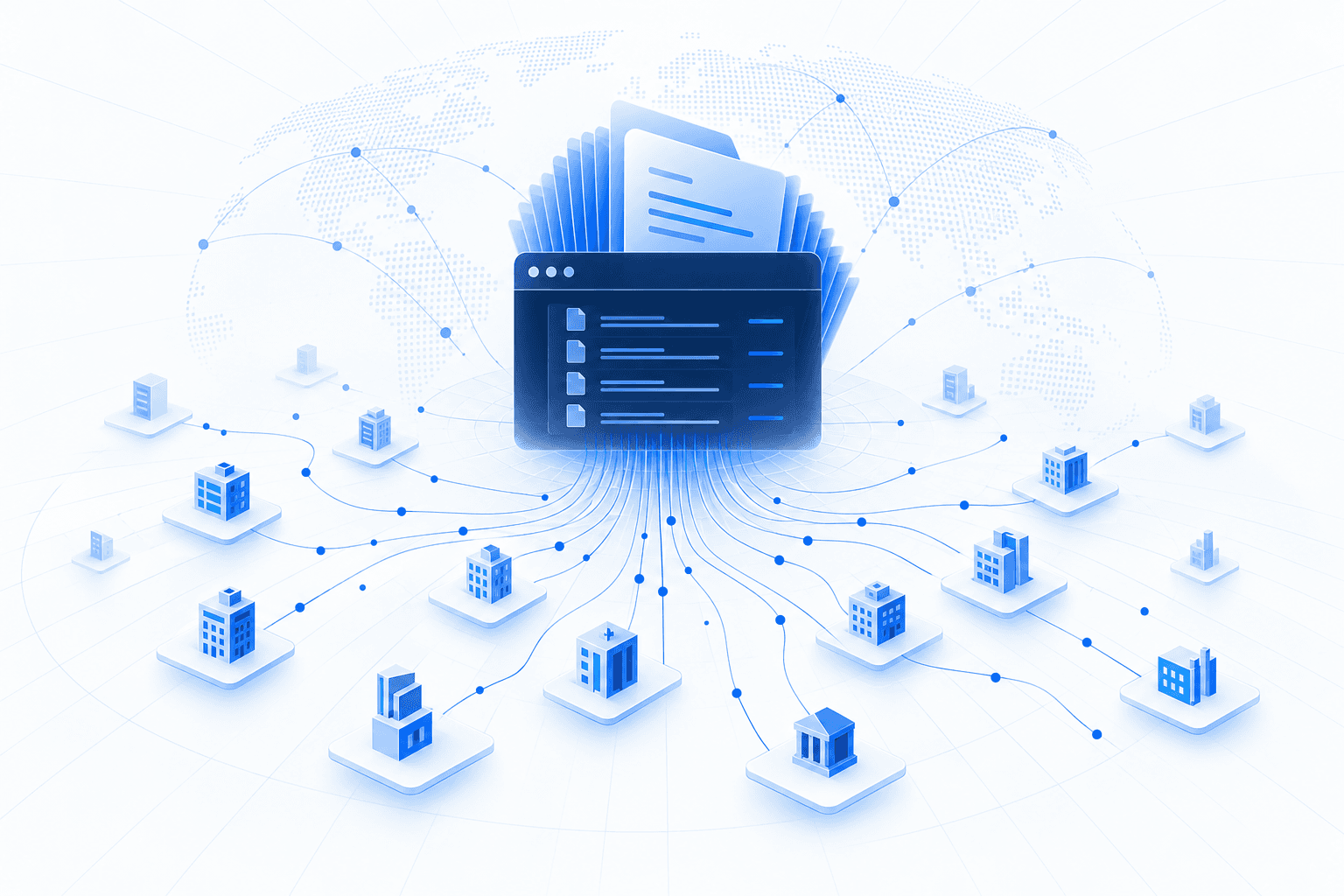
Check Point Research reported a record 2,830 victims published on ransomware data leak sites in Q3 2026, with 117 ransomware brands claiming victims. The ten largest groups accounted for just 49% of observed victims, leaving groups outside the top ten responsible for a majority for the first time. Qilin narrowly retained its quarterly lead over The Gentlemen, while LockBit dropped out of the top ten. The figures measure public leak-site claims rather than independently confirmed attacks.
Stadler Rail, the Berlin state government, and Manchester Airports Group publicly rejected ransom demands during the quarter. Average ransom payments declined even as the median rose, showing divergent payment trends rather than a uniform reduction. ShinyHunters also reportedly breached and defaced Clop’s leak site, underscoring rivalry within the criminal ecosystem. For defenders, the increasingly fragmented landscape reinforces the need for broad ransomware resilience rather than controls focused only on leading groups.
Why it matters
Check Point Research recorded 2,830 ransomware victim listings across 117 brands in Q3 2026, its highest quarterly listing total; these are public extortion claims, not 2,830 independently verified attacks. Reported incidents demonstrate data theft and public disclosure, with potential operational, legal, and reputational consequences, while ecosystem fragmentation makes defenses focused on leading groups insufficient. Average payments fell 45% to just over $1 million, but the median rose 167% to $400,000, so the figures do not demonstrate uniformly declining financial impact.
- Industry-specific impact: Established for Industrials (20), supported by industrial manufacturing victim claims, business/professional services exposure, and the Stadler Rail incident; Consumer Staples (30), supported by the reported Anubis attack on Fairlife; Health Care (35), supported by healthcare victim claims; and Government & Public Sector (90), supported by government victim claims and the Berlin state government's reported data theft. Business services represented 34% of listings, industrial manufacturing 13%, and healthcare and government together more than 10%. The report's broad “Consumer Goods & Services” category also represented 13%, but does not precisely distinguish GICS sectors. Evidence
- Geography-specific impact: Established in reported victim listings for the United States (42%), Germany (5%), Canada (4%), and Italy (4%); India and Argentina also appeared among the ten most affected countries. These figures describe observed claims, not confirmed national incident rates or evidence of deliberate geographic targeting. Country shares; India and Argentina
- Confirmed reporting versus claims: Berlin reportedly refused a 30 BTC demand before approximately 5.8 TB of stolen data was published. Manchester Airports Group reportedly declined payment following exposure of data associated with approximately 8.7 million customers. These reported incidents provide stronger evidence of real-world compromise than aggregate leak-site counts alone.