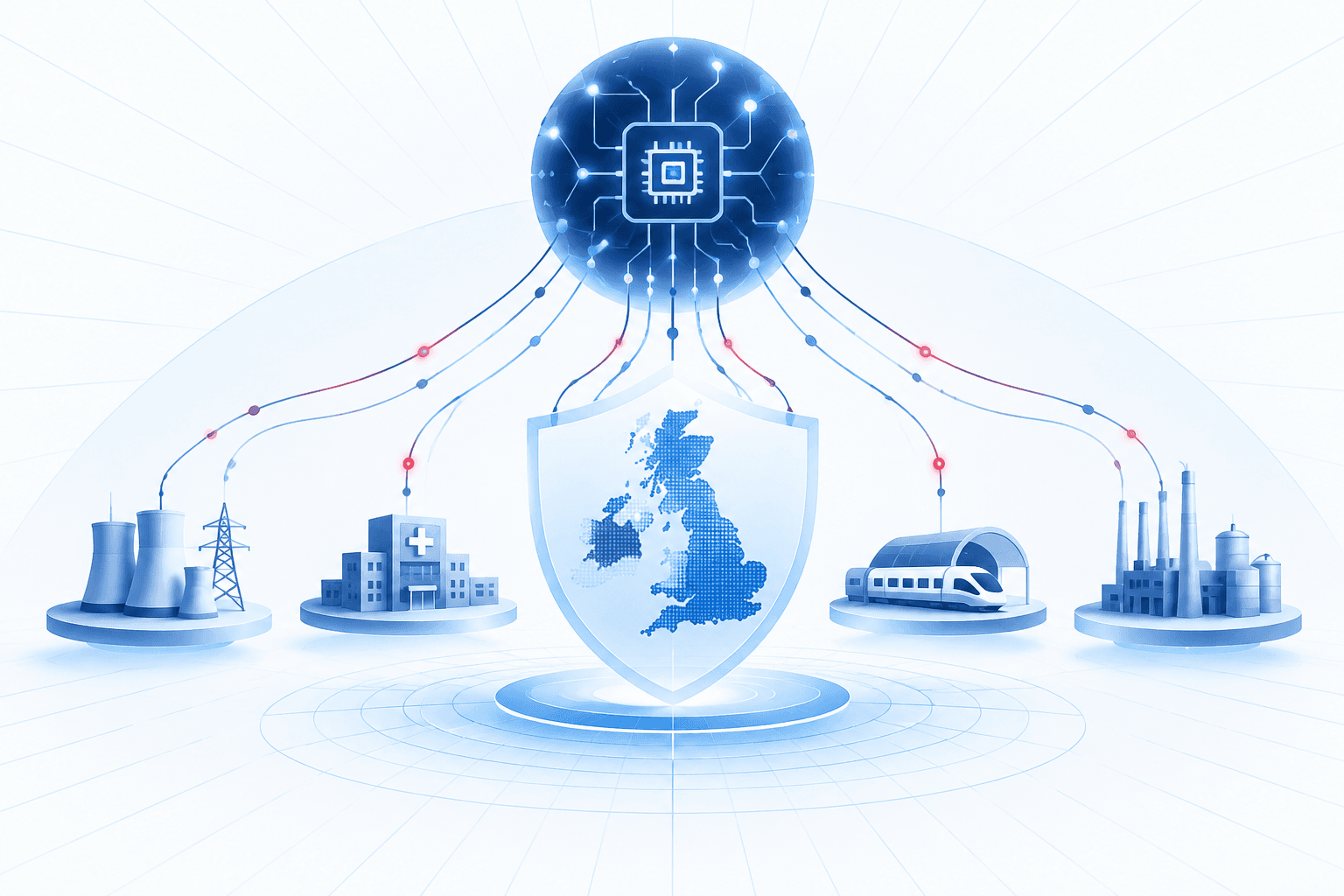
NCSC Warns AI-Powered Ransomware Is Highly Likely to Target UK Infrastructure by 2028
Emerging Technology Risk · 20 sources · Updated 22d ago · First seen Nov 3, 2026
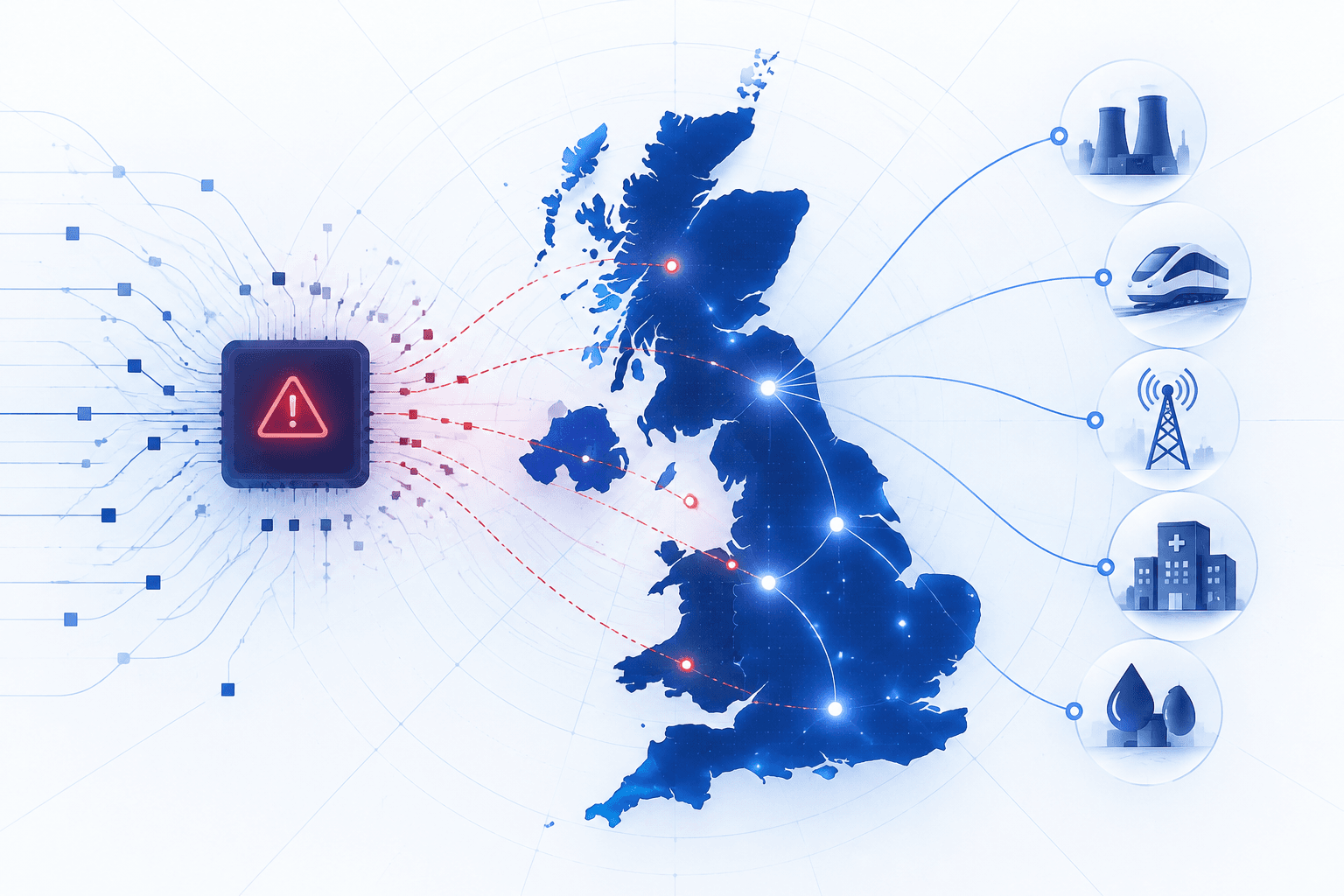
The UK’s National Cyber Security Centre (NCSC) assesses that AI-powered malware is highly likely to feature in a ransomware attack against UK critical national infrastructure by 2028. Its State of the Cyber Nation report warns that AI will increase the scale and efficiency of reconnaissance, social engineering, malicious code development and vulnerability exploitation, with Russia and China expected to routinely use AI in cyber operations. NCSC chief executive Richard Horne warned of a possible unprecedented rise in incidents in the coming months as attackers uncover longstanding weaknesses, rather than relying solely on entirely new attack techniques.
The NCSC identified technical debt, unsupported systems, delayed patching and underinvestment as key sources of exposure, urging organisations to strengthen resilience, reduce unnecessary internet exposure and treat Cyber Essentials as a baseline—not a complete security strategy. The government announced £60 million for the first phase of its national Cyber Shield and £70 million for a National Exposure and Real-Time Vulnerability Centre, alongside a new AI Cyber Security Centre of Excellence in Manchester. Britain is also testing frontier AI for defensive vulnerability discovery through Project DROMOS; the NCSC says defenders can retain a structural advantage through sustained investment, disciplined AI adoption and effective control of their environments.
Why it matters
The NCSC assesses that AI-powered malware is highly likely to feature in ransomware against UK critical national infrastructure by 2028; this is a forecast, not confirmation of an AI-powered ransomware incident. Operators with unsupported technology, exposed services and slow remediation face increased risks of service interruption, data compromise, recovery costs and potentially physical consequences as AI accelerates established attack methods. Existing incidents demonstrate operational harm, but the supplied evidence does not establish that AI caused those incidents.
- Industry-specific impact: Yes. Utilities, Industrials and Health Care are explicitly identified as potentially exposed through power stations, airports and hospitals, respectively (Infosecurity Magazine). Military & Defense faces observed, sustained attacks on British military communications networks (The Guardian). Consumer Staples has observed impact from supermarket refrigeration attacks and food losses (TEISS); Consumer Discretionary has historical impact through Jaguar Land Rover's disrupted production and approximately £196 million in direct cyber-related costs. Government & Public Sector has concrete exposure through potential vulnerabilities identified in government environments by Project DROMOS (NCSC annual review). Information Technology faces proposed sector-specific regulatory coverage for data centers, managed service providers and designated critical suppliers; these measures are not yet enacted obligations in the supplied reporting (Dark Reading). These examples do not imply exclusive exposure.
- Geography-specific impact: Yes. The United Kingdom is the explicit subject of the threat forecast and has observed critical-infrastructure intrusions and military-network targeting. Poland's energy grid was attacked in December 2025; the cited potential loss of electricity to 500,000 people was a possible consequence, not a confirmed outage (NCSC annual review). Sweden, Belgium and France experienced supermarket refrigeration disruption and food losses (TEISS). Other affected EU countries are not identified and are not inferred.
- Observed versus projected scale: The NCSC received 1,831 attack reports, supported 337 incidents and classified 80 as nationally significant during its reporting year. These are not counts of AI-enabled attacks or all UK incidents; responders observed attacker AI use but no new class of attack enabled by it.