Mallory
← Back to News
ai-enabled-threat-activitywidely-deployed-product-advisoryend-of-life-softwareinternet-exposed-service

UK NCSC Warns AI Will Drive a Large-Scale Vulnerability Patch Wave

Emerging Technology Risk · 7 sources · Updated 5mo ago · First seen May 1, 2026

UK NCSC Warns AI Will Drive a Large-Scale Vulnerability Patch Wave

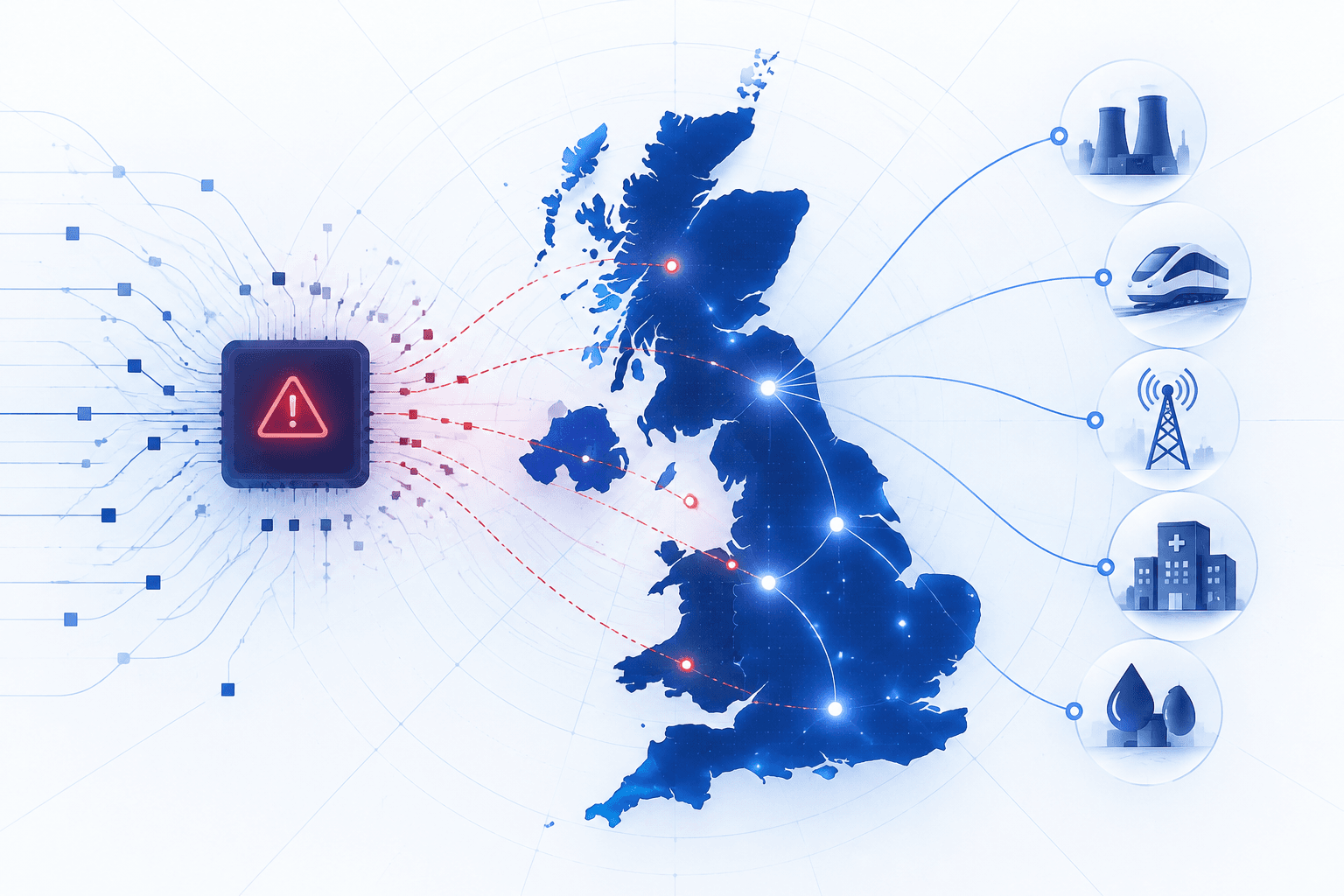
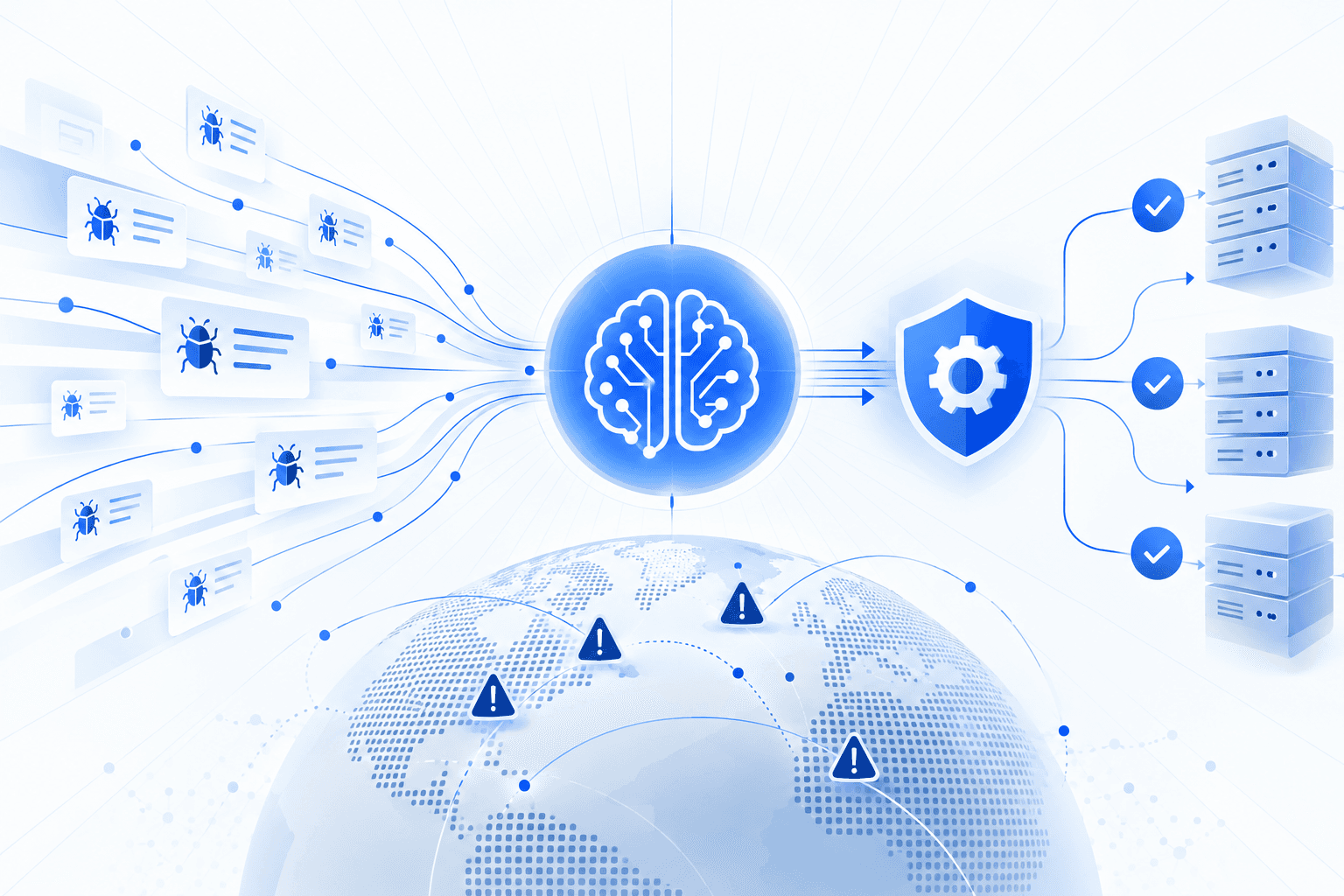
The U.K. National Cyber Security Centre warned that artificial intelligence is accelerating the discovery of software vulnerabilities and could trigger a large-scale "patch wave" of urgent updates across enterprise technology stacks. NCSC CTO Ollie Whitehouse said sufficiently skilled attackers can use AI to uncover hidden flaws faster, raising the likelihood of rapid exploitation in widely used and legacy software amid significant technical debt and a worsening threat environment that already includes serious incidents and nationally significant attacks.

The agency urged organizations to prioritize patching of internet-facing, perimeter, and other critical systems, reduce exposed attack surface, and prepare for faster and more frequent update cycles across supply chains. It also said patching alone will not be enough for unsupported or end-of-life technology, recommending replacement or renewed vendor support where possible, alongside broader measures such as automated updates, risk-based prioritization, stronger cyber hygiene, safer software design, and improved detection and threat hunting in higher-risk environments.

Why it matters

Impact assessment

The primary impact is broad exposure risk rather than a single new exploit or product-specific incident. Public sector bodies, enterprises, and operators of internet-facing, cloud, on-premises, SaaS, and legacy systems are affected because AI is compressing the time between vulnerability discovery and exploitation, increasing the likelihood of urgent patch surges across entire technology stacks.

Operational disruption is likely to come from accelerated patching demands, backlog growth, and unsupported systems that cannot be remediated quickly. The scope is widespread, not narrowly targeted, and multiple references state exploitation timelines are shrinking to hours or days after disclosure; however, this story is mainly strategic guidance and does not identify a specific new vulnerability under active exploitation.

Supporting details

  • Affected populations:
    • UK public sector organizations
    • Enterprises with internet-facing and perimeter systems
    • Cloud, on-premises, SaaS, and software supply chain operators
    • Organizations running legacy or end-of-life technology
  • Severity drivers:
    • Increased risk of rapid exploitation of newly disclosed flaws
    • Higher operational burden from urgent update cycles and patch backlogs
    • Elevated exposure from technical debt, insecure configurations, and weak remediation capability
    • Unsupported systems may require replacement or restored vendor support, increasing cost and disruption
  • Scope:
    • Widespread ecosystem issue across open-source, commercial, proprietary, and SaaS software
    • Not limited to source-visible software; attackers can also probe services, fuzz targets, and analyze binaries and dependencies
  • Exploitation in the wild:
    • References state attackers may scan and exploit within hours or days of disclosure
    • Google reporting cited in the story says AI is already accelerating exploitation and cloud intrusions
    • No single new CVE or confirmed campaign is the core subject of this notice
  • Strategic implication:
    • Patch capacity, triage speed, and exposure reduction are becoming core resilience requirements
    • Private repositories are not presented as an effective primary security control

New surface, new adversariesTrack how attackers are adapting to this technology.
Track this risk
Event timeline

How this story unfolded

Events from the most recent confirmed update back to the earliest known activity.

4 events · May 1, 2026 – May 14, 2026
  1. May 14, 20267mo ago

    UK government issues guidance on AI, open code, and public-sector vulnerability risk

    The UK government published guidance stating that public-sector organizations should remain open by default when publishing source code despite AI accelerating vulnerability discovery. It said exploitation risk is driven more by insecure design, poor dependency hygiene, and slow remediation than by code visibility, and recommended minimum operational standards such as named ownership, automated scanning, vulnerability reporting channels, and defined patching timelines.

    AI, open code and vulnerability risk in the public sector - GOV.UK
  2. May 11, 20267mo ago

    Google warns AI is accelerating cyberattacks and zero-day exploitation

    Google Cloud Threat Intelligence reported that AI is already helping threat actors identify vulnerabilities, generate exploit code, automate reconnaissance, and scale attacks across cloud and AI environments. The report highlighted what Google described as the first known AI-developed zero-day exploit tied to a planned mass exploitation event, along with growing attacker focus on insecure APIs, SaaS platforms, developer tools, and exposed AI integrations.

    Google warns artificial intelligence is accelerating cyberattacks and zero-day exploits
  3. May 1, 20267mo ago

    NCSC urges organizations to prepare for faster patching and replace unsupported systems

    Alongside the warning, the NCSC advised organizations to prioritize internet-facing and critical systems, automate updates where possible, and prepare for more frequent patching cycles. The agency also said patching alone may be insufficient for legacy or end-of-life technologies and recommended replacing unsupported systems or restoring vendor support.

  4. May 1, 20267mo ago

    U.K. NCSC warns AI could trigger a large-scale software patch wave

    The U.K. National Cyber Security Centre warned that artificial intelligence is accelerating the discovery of software vulnerabilities and could lead to a large-scale wave of urgent security patches. NCSC CTO Ollie Whitehouse said skilled attackers could use AI to uncover hidden flaws faster, increasing the risk of exploitation across widely used and legacy software.

Do you run this?Follow how adversaries are adapting to this technology, and where it touches your stack today.
Track This Risk
Mallory platform

See the full picture, correlated to your attack surface.

This page covers what’s public. Mallory adds the parts that aren’t: which of your assets are affected, which threat actors are using it right now, and what to deploy next.

Exposure mappingMap indicators from this story to your assets and identify affected systems in minutes.
Threat actor evidenceEvery observed campaign, victim, and pivot linked to actors named in this story.
Associated malwareMalware, exploits, and IOCs connected to the activity described here.
Detection signaturesYARA, Sigma, and Snort rules deployed to your SIEM as soon as they’re published.
Scheduled alertsGet matching new stories delivered to your team as they break, not the next morning.
AI threadsAsk questions about this story and take action on the answers.