UK NCSC Unveils AI-Driven Cyber Shield for National-Scale Defense
Emerging Technology Risk · 8 sources · Updated 4mo ago · First seen Jul 7, 2026

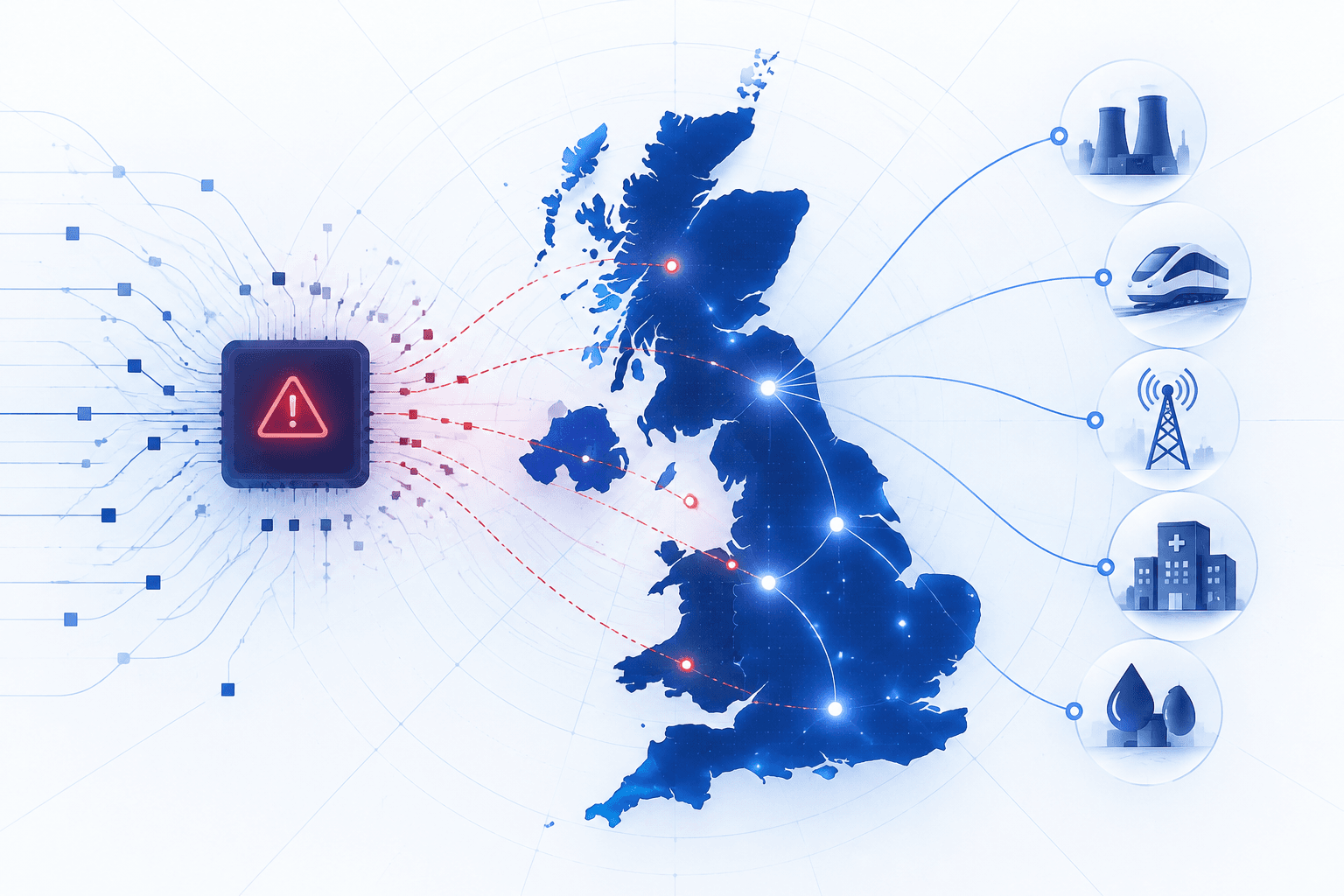
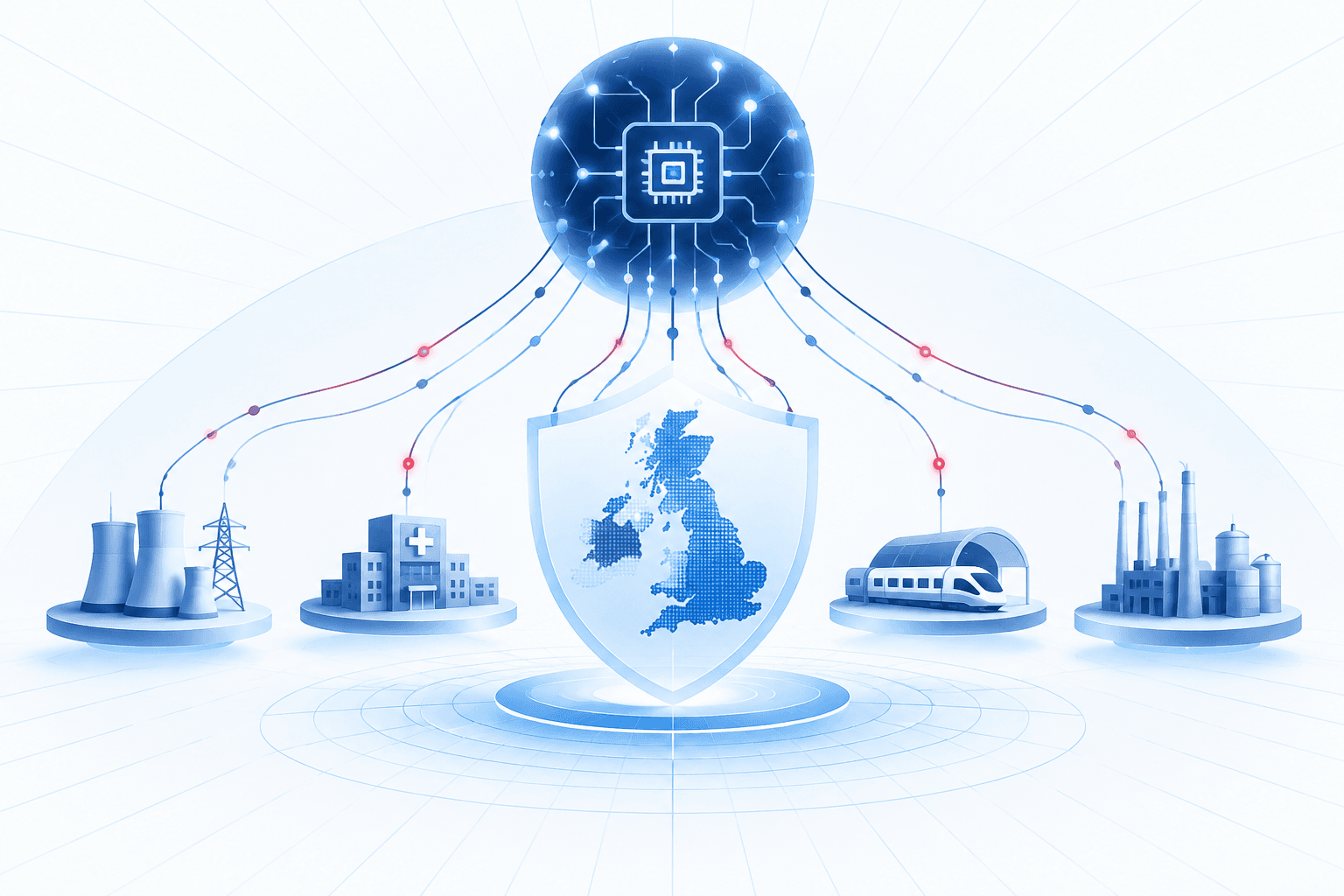
The UK National Cyber Security Centre and the Department for Science, Innovation and Technology have outlined Cyber Shield, a sovereign cyber defense initiative designed to use agentic AI to find and counter weaknesses across government networks and critical national infrastructure. The program is intended to address rising threats from hostile states, organized crime, and AI-enabled attackers that can accelerate reconnaissance and vulnerability discovery to machine speed, while many organizations still face basic security gaps such as unpatched systems, legacy technology, and weak access controls.
Cyber Shield is being designed around federated red-team and blue-team AI agents that can probe for vulnerabilities, share insights, detect threats, and eventually help automate remediation under the control of infrastructure owners. The NCSC said some building blocks, including automated scanning, already exist, but fully autonomous mitigation will require further research, testing, and oversight. Early work will focus on trials with government and critical-sector defenders, with longer-term goals including national-scale scanning, coordinated blocking of known malicious infrastructure, and commercially scalable capabilities developed with industry, academia, AI providers, and critical infrastructure operators.
Why it matters
Impact assessment
Cyber Shield is a strategic UK government cyber-defense initiative, not a newly disclosed breach or vulnerability. The immediate impact is concentrated on UK government bodies, critical national infrastructure operators, and organizations that may be asked to participate in national-scale scanning, intelligence sharing, and coordinated mitigation; the broader implication is policy and operational pressure on boards and security teams to improve patching, asset management, access control, and resilience.
The severity is indirect but potentially high over time because the program signals future changes in national cyber operations, procurement, and regulatory expectations rather than an active compromise. The story does not report exploitation in the wild tied to Cyber Shield itself, but it explicitly cites ongoing threats from hostile states, organized crime, and AI-enabled attackers and frames the exposure as widespread across public services and critical sectors with persistent weaknesses such as legacy systems, delayed patching, and weak access controls.
Affected entities
- UK government networks
- UK critical national infrastructure operators
- Public services organizations
- Private-sector organizations participating in UK cyber-defense partnerships
- Boards and security teams evaluating sovereign AI, cloud, and cyber suppliers
Severity and business risk
- No direct incident or victim disclosure in this story
- Potential operational impact from future national-scale scanning, coordinated blocking, and automated mitigation workflows
- Strategic and procurement impact from increased emphasis on sovereign cyber capability and trusted supplier evaluation
- Reputational and resilience risk for organizations with known hygiene gaps: unpatched systems, unsupported technology, weak identity and access controls
Scope and exposure
- National-scale UK focus with likely concentration on government and critical sectors first
- Widespread defensive relevance rather than a targeted campaign
- No confirmed Cyber Shield-related exploitation in the wild
- Story indicates broad systemic exposure due to common security fundamentals failures across many organizations