UK Commits £130 Million to AI Cyber Shield and Infrastructure Vulnerability Detection
Emerging Technology Risk · 4 sources · Updated 1mo ago · First seen Oct 26, 2026

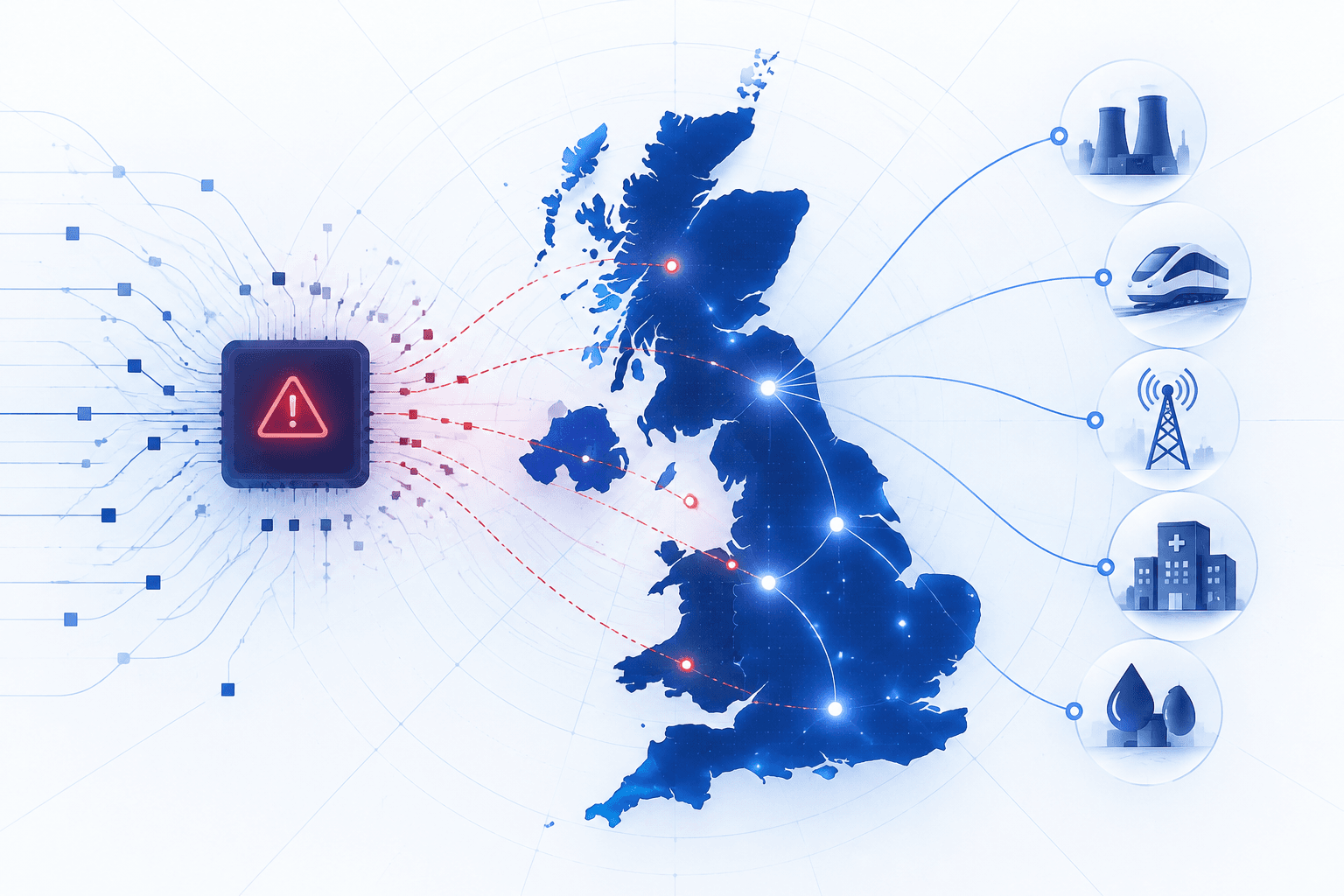
The UK government has announced £130 million for AI-powered cyber defences within a wider £600 million AI investment package. The funding includes £60 million for a National Cyber Shield using agentic AI and £70 million for a National Exposure and Real-Time Vulnerability (NERV) Centre to identify weaknesses across critical infrastructure and the wider economy. The initiatives aim to strengthen national resilience against AI-enabled attacks and bolster digital sovereignty.
The package also includes an additional £120 million for the AI Security Institute to advance AI security research and standards, alongside plans for an NCSC AI Cyber Security Centre of Excellence to train experts for government. Ministers are exploring a regulatory sandbox to test autonomous security technologies across critical infrastructure, public services and businesses. Industry commentators welcomed the investment but flagged the need for clear governance, human oversight and effective protection for smaller businesses, as well as measures to address AI-enabled impersonation.
Why it matters
The UK announced £130 million for AI-powered cyber defence, targeting critical infrastructure, public services and businesses through national defensive automation and vulnerability discovery. This is a funding and capability-development announcement, not a disclosed compromise or newly actionable vulnerability; the references report no associated exploitation in the wild.
- Scope: £60 million for the National Cyber Shield and £70 million for the National Exposure and Real-Time Vulnerability (NERV) Centre, within a broader AI package reported at £600 million or more.
- Business significance: The initiatives aim to reduce exposure to attacks that could disrupt essential services and supply chains. Funding announcements do not establish operational coverage, deployment readiness or proven defensive effectiveness.
- Operational risks: Autonomous defensive actions require human oversight, auditability and safeguards against service disruption. Industry representatives also highlighted smaller businesses’ limited security resources and increasingly scalable AI-enabled impersonation.
- Additional capacity: £120 million for the AI Security Institute and a planned NCSC AI Cyber Security Centre of Excellence support research, standards and specialist skills.