Predictable S3 Bucket Names Exposed Six AWS Services to Cross-Account Attacks
Vulnerability Disclosure · 3 sources · Updated 25d ago · First seen Jun 26, 2024
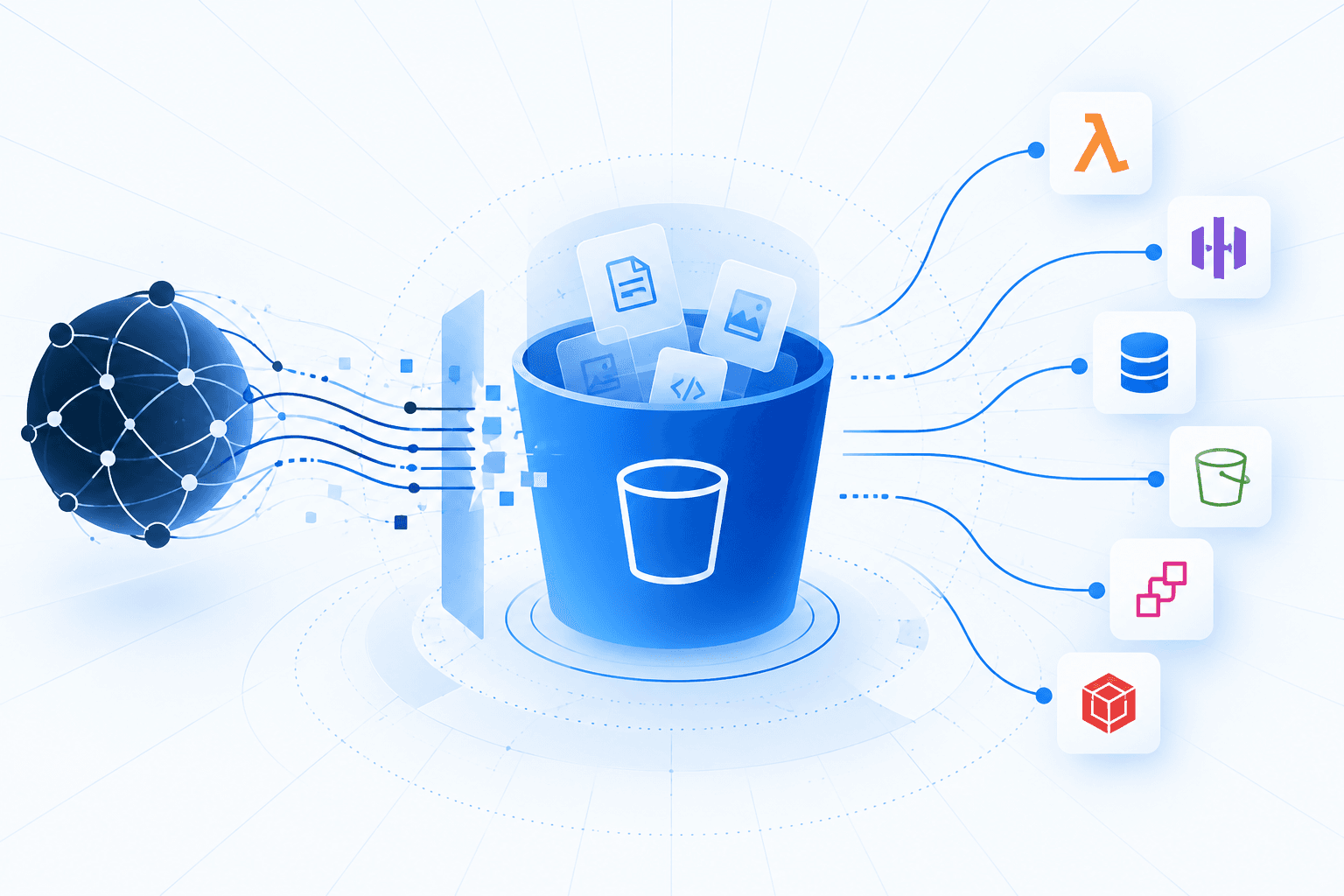
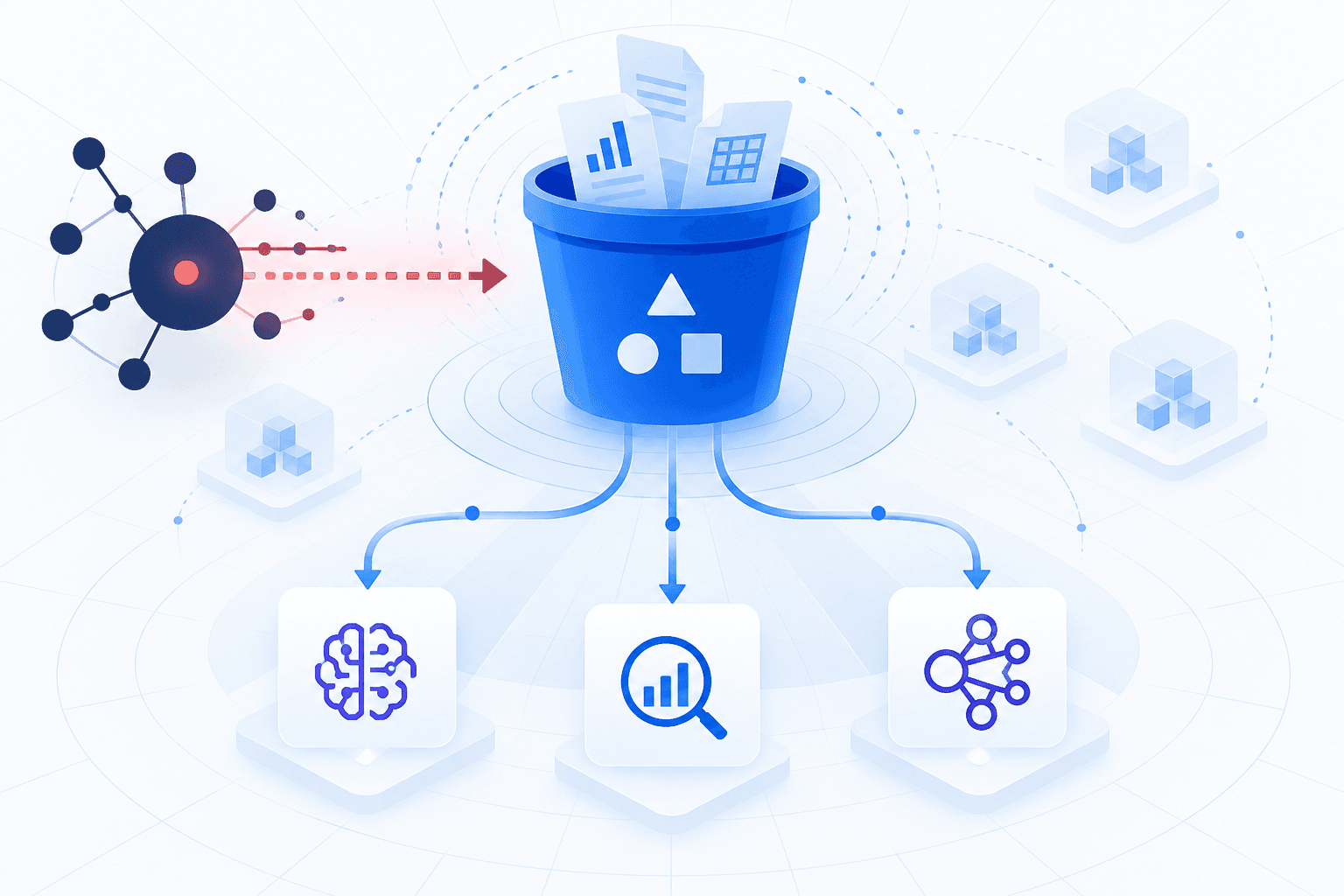
Aqua Security researchers disclosed vulnerabilities in six AWS services involving predictable, automatically generated Amazon S3 bucket names. Discovered in February 2024, the “Shadow Resources” attack vector allowed attackers to register expected bucket names before legitimate deployments and, under vulnerable workflows, cause AWS services to use attacker-controlled storage. Potential consequences included data exposure, code or template manipulation, denial of service, and account takeover. The researchers’ “Bucket Monopoly” technique extended this approach across unused AWS regions to increase the likelihood of intercepting future deployments. The report did not establish malicious exploitation in the wild.
AWS remediated the affected workflows in CloudFormation, Glue, EMR, SageMaker, and Service Catalog. It considered CodeStar addressed through restrictions preventing new customers from creating projects ahead of the service’s planned retirement. Organizations should still audit custom and open-source deployment workflows for predictable bucket names and assumptions about storage ownership. Recommended safeguards include validating bucket ownership, using unpredictable names, and enforcing least-privilege, account-scoped access. AWS guidance on S3 bucket policies and cross-account policy evaluation provides a basis for reviewing both identity- and resource-based permissions so that deployment roles cannot inadvertently trust attacker-controlled buckets.
Why it matters
Aqua Security demonstrated cross-account attacks against predictable S3 buckets used by six AWS services, potentially exposing customer data, altering deployment templates or job code, disrupting deployments, and enabling account takeover where deployment permissions allowed it. AWS addressed the reported service workflows in 2024, but custom and open-source automation with equivalent ownership-validation failures may remain exposed; the supplied report does not establish malicious exploitation in the wild. Exposure depended on attackers claiming expected bucket names before legitimate deployments, rather than compromising arbitrary existing buckets.
- Industry-specific impact is not established. The affected cloud services support many workloads, but the supplied content identifies no affected customer organizations or targeted industries.
- Geography-specific impact is not established. “Bucket Monopoly” exploited deployments into unused AWS regions, but AWS infrastructure regions do not establish affected countries or populations.
- Severity is permission-dependent: template or script manipulation could inherit deployment-role or job-role privileges; Service Catalog Launch Constraints could permit deployment with privileges exceeding those of the initiating user. These are demonstrated potential consequences, not confirmed customer incidents. Research report