S3 Bucket Squatting Exposes SageMaker, Athena and EMR Workflows Across AWS Accounts
Vulnerability Disclosure · 6 sources · Updated 25d ago · First seen Nov 2, 2026

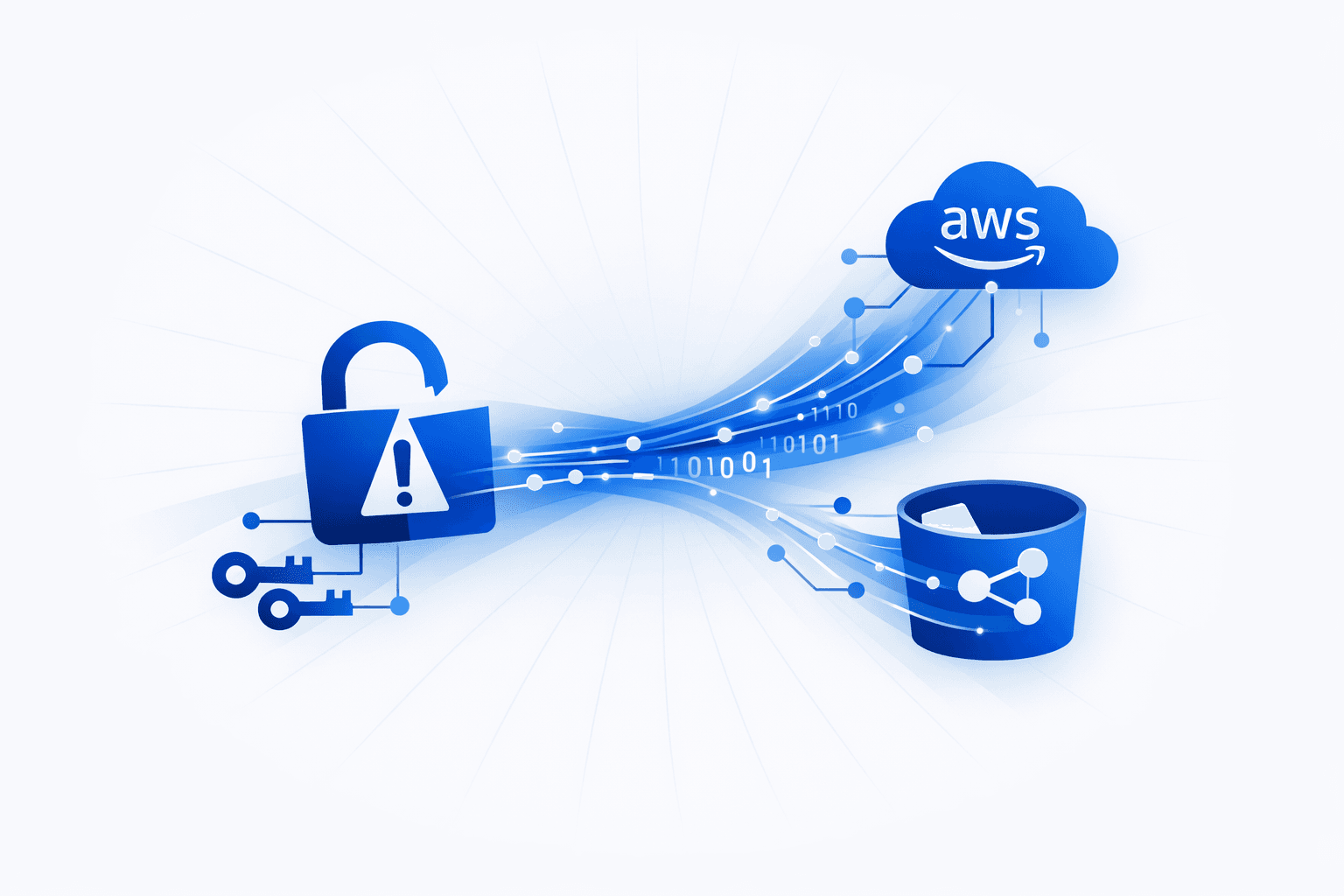
Researchers at Upwind disclosed three S3 bucket-squatting vulnerabilities affecting the SageMaker Python SDK and AWS SDK for pandas (awswrangler), enabling cross-account code execution, data theft and data poisoning. Predictable default bucket names and missing or ineffective ownership checks allowed attacker-owned storage to be accepted by victim workflows. In SageMaker, CVE-2026-112408, rated CVSS 4.0 9.4, enabled demonstrated processing-job and persistent inference-endpoint code injection, including IAM credential exfiltration. In Athena, CVE-2026-118029, rated 5.9, exposed query results and allowed CTAS manifest manipulation to substitute attacker-modified data. EMR logging configurations generated by the pandas library could send sensitive logs to attacker-controlled buckets—even buckets created after cluster startup, because uploads were buffered and retried. An assisted assessment captured approximately 20,000 log files; the reports do not establish malicious exploitation.
AWS addressed the SDK exposures in SageMaker Python SDK 3.10.0, AWS SDK for pandas 3.16.1 for Athena, and 3.18.0 for EMR logging. However, Upwind reported that EMR’s underlying RunJobFlow API still lacked bucket-existence and ownership checks, despite protections in the console. The findings show that earlier service-level mitigations and the introduction of account-namespaced buckets did not protect every SDK and API path. Organizations should upgrade affected libraries, verify bucket ownership in every account and region, replace predictable defaults with explicitly trusted destinations, enforce Athena workgroup result settings where appropriate, and audit workloads for references to buckets outside their accounts.
Why it matters
Organizations using vulnerable SageMaker Python SDK or AWS SDK for pandas (awswrangler) workflows can unknowingly use attacker-owned S3 buckets, exposing executable code, IAM credentials, inference requests, query results, and EMR logs. SageMaker exploitation can compromise execution environments and persist in deployed endpoints; Athena and EMR exposure threatens data confidentiality and integrity while workflows may continue operating normally. Researchers demonstrated exploitation and captured approximately 20,000 EMR log files during an assisted customer assessment, but the supplied reports do not establish malicious exploitation in the wild.
- Industry-specific impact is not established. Affected customer organizations are not identified by sector; references to financial records, personal information, and machine-learning workloads do not establish specific industry targeting or impact.
- Geography-specific impact is not established. Exposure was identified across multiple AWS accounts and regions, but no affected countries or geographic targeting are specified.
- Scope: Potentially cross-account exposure wherever predictable, globally shared bucket names are accepted without ownership verification. The EMR report identifies exposed configurations across multiple organizations; custom scripts and infrastructure templates can retain the same risk after library upgrades. Source
- Residual risk: Library fixes do not necessarily remediate existing workload destinations, previously modified artifacts, or direct EMR API integrations. Upwind reports that
RunJobFlowstill lacked bucket-existence and ownership validation at disclosure.