Attackers Abuse AWS Cross-Account Features to Exfiltrate Cloud Data
Attack Tradecraft · 3 sources · Updated 3mo ago · First seen Oct 6, 2022
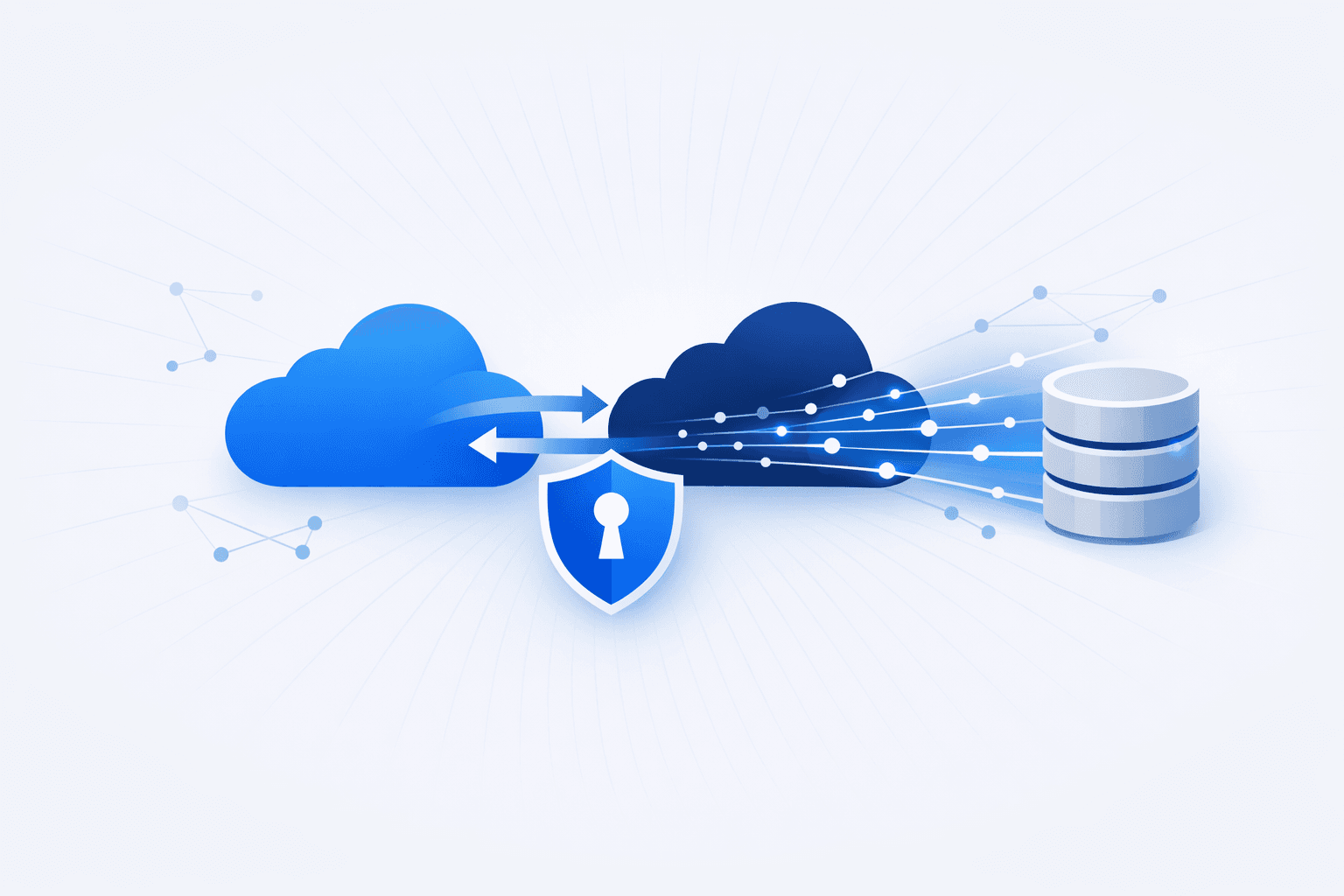
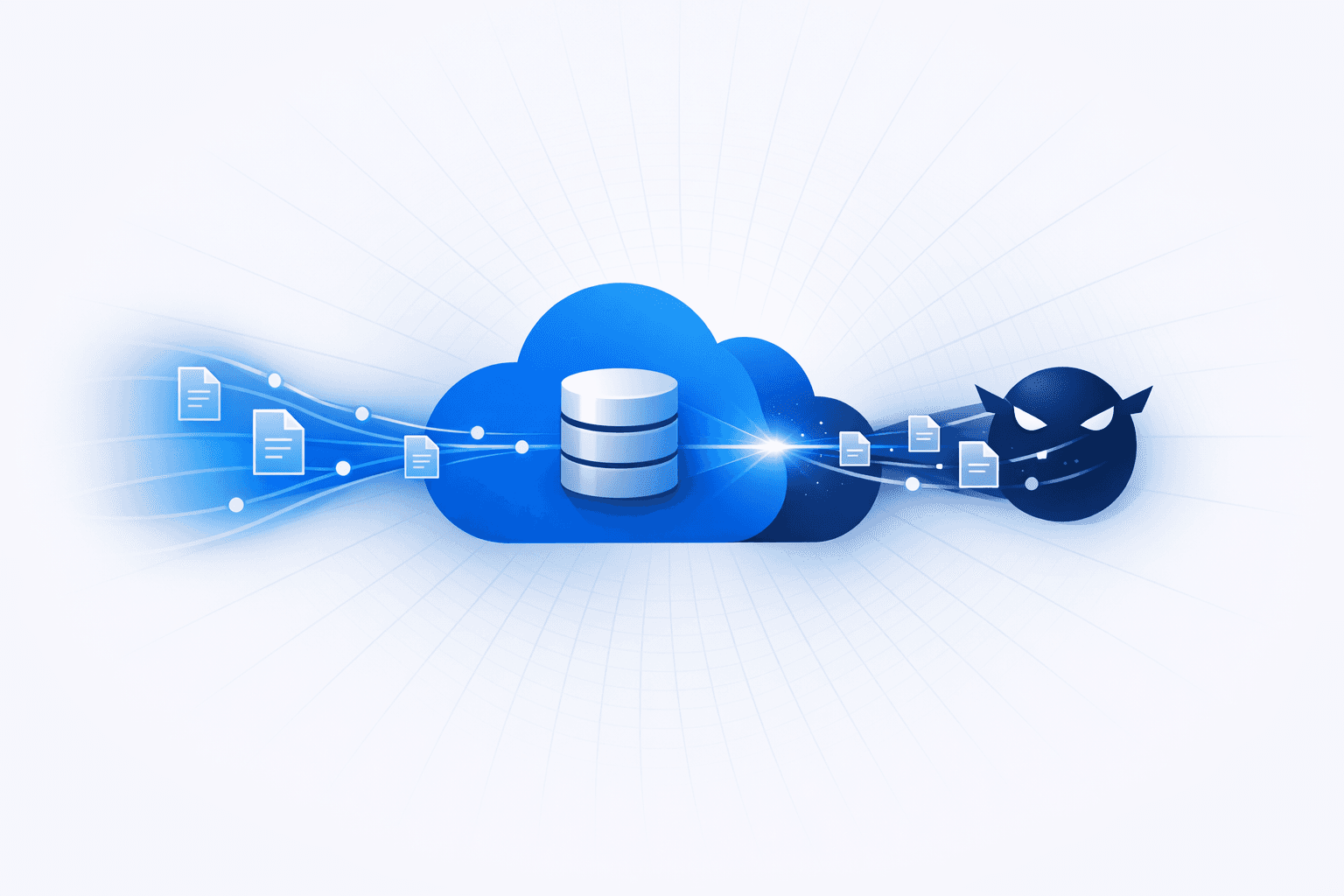
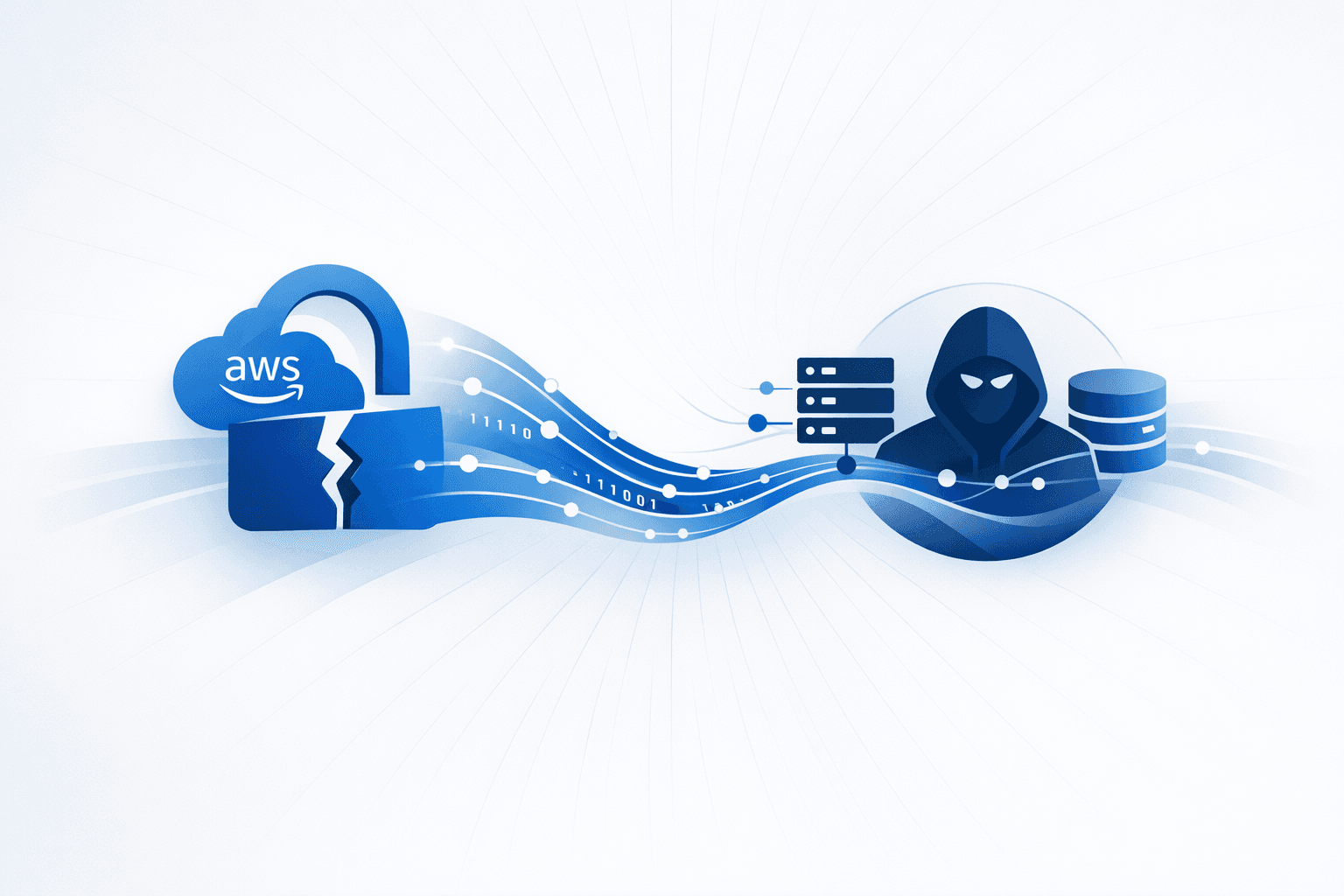
Attackers can exfiltrate data from cloud environments by abusing legitimate cross-account sharing, backup, and replication features instead of moving files over traditional outbound channels. MITRE ATT&CK tracks this behavior as T1537 — Transfer Data to Cloud Account, describing how adversaries use provider APIs and internal cloud networking to make exfiltration resemble normal intra-cloud activity and evade controls focused on internet egress or command-and-control traffic.
Research detailing AWS tradecraft shows attackers with snapshot-related permissions can create Amazon EC2 and Amazon RDS snapshots, share them with attacker-controlled AWS accounts, and recover the underlying data without logging back into the original instance or database. Similar abuse is possible in Amazon S3, where adversaries can alter replication rules or trigger batch replication jobs to copy bucket contents into external accounts, particularly when overly permissive IAM roles are available. The activity largely occurs through cloud control-plane operations, reducing host-level forensic evidence and increasing the importance of monitoring CloudTrail, restricting IAM and KMS permissions, and encrypting sensitive resources.
Why it matters
Impact assessment
Attackers who gain AWS console or API access can exfiltrate data by abusing legitimate cross-account snapshot sharing and S3 replication features, making this primarily a risk for organizations with sensitive workloads in Amazon EC2, Amazon RDS, and Amazon S3. The impact can be severe because it enables covert theft of server disks, database contents, and object storage with limited host-level evidence and reduced visibility to controls focused on internet egress.
Supporting details
- Affected environments: AWS deployments using Amazon EC2, Amazon RDS, and Amazon S3.
- Affected populations: organizations with exposed cloud credentials, compromised console sessions, stolen cookies, or overly permissive IAM roles.
- Business impact: data theft, regulatory exposure, reputational damage, and potential follow-on compromise if stolen snapshots contain credentials or sensitive application data.
- Operational impact: limited endpoint artifacts because activity occurs through AWS control-plane APIs rather than traditional host access or outbound file transfer.
- Scope: broadly applicable tradecraft across AWS environments, but exploitation is targeted and requires prior access plus specific permissions.
- Exploitation in the wild: MITRE ATT&CK documents observed incidents involving creation of cloud backups and transfer to separate accounts; the referenced research also cites CloudCopy automating EC2 snapshot abuse against AWS-hosted domain controllers to extract credentials.