ShutterGap Lets Attackers Copy Briefly Public AWS Snapshots Before Security Tools See Them
Attack Surface Exposure · 5 sources · Updated 14d ago · First seen Jul 31, 2026
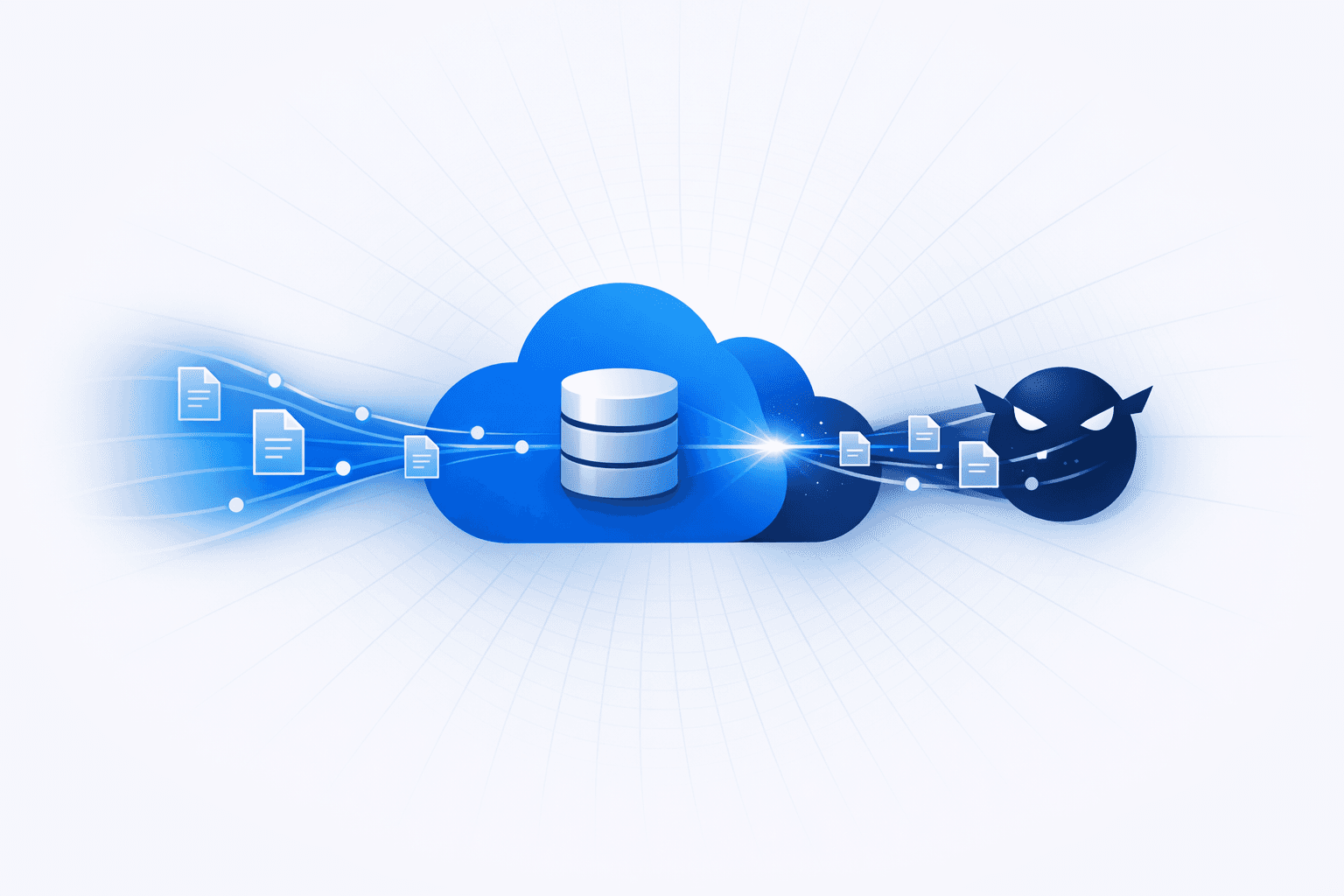
Aryon Security disclosed "ShutterGap," a cloud visibility gap that allows attackers to discover and copy briefly exposed public AWS resources before CSPM and CNAPP scans detect them. The issue stems from customer misconfigurations rather than an AWS flaw and affects public-sharing features for resources including Amazon RDS snapshots, Amazon DocumentDB snapshots, Amazon Machine Images (AMIs), and AWS Systems Manager documents. Aryon reported that many exposures are extremely short-lived: about 20% of public RDS snapshots were visible for less than two minutes, and 99% of deleted RDS and DocumentDB snapshots disappeared within 30 minutes of creation.
Researchers showed that once a public snapshot is copied into another AWS account, it can be analyzed later even after the owner revokes access, creating a durable data-exposure risk from fleeting mistakes. In a sample of 24 public RDS snapshots, Aryon found AWS account IDs, email addresses, potential secrets, private-key-related patterns, and signs of financial data; earlier research by Mitiga similarly found hundreds of exposed public RDS snapshots and identified databases containing PII, password hashes, tokens, and business data. The findings underscore that short-lived public sharing can still lead to lasting compromise, and the recommended mitigations include blocking public sharing where possible, enforcing encryption and least privilege, applying Service Control Policies, and monitoring public-sharing events with CloudTrail, AWS Config, and Trusted Advisor.
Why it matters
Impact assessment
ShutterGap is a cloud exposure pattern affecting AWS customers that allow public sharing of snapshots or related resources, especially organizations using Amazon RDS, Amazon DocumentDB, AMIs, and AWS Systems Manager documents. The impact can be severe because even very brief misconfigurations can lead to durable third-party copies of sensitive data, creating risks of data loss, regulatory exposure, extortion, and reputational damage.
Key impact facts
- Affected populations: AWS customers using public-sharing features for Amazon RDS snapshots, Amazon DocumentDB snapshots, Amazon Machine Images, and AWS Systems Manager documents.
- Root cause: customer misconfiguration, not an AWS software flaw.
- Scope: potentially widespread because researchers observed a constant flow of public resources appearing and disappearing across AWS listings.
- Exposure duration can be extremely short:
- 20% of public RDS snapshots were visible for less than two minutes.
- 99% of deleted RDS and DocumentDB snapshots disappeared within 30 minutes of creation.
- These windows are shorter than daily scan cycles used by many CSPM and CNAPP tools, so organizations may have no alert before exposure is exploited.
- Once a public snapshot is copied into another AWS account, the owner can revoke sharing but cannot prevent analysis of the copied data.
- Sensitive data observed in exposed RDS snapshots included AWS account IDs, email addresses, potential secrets, private-key-related patterns, and indicators of financial data.
- Prior research cited in the story found exposed databases containing PII, password hashes, tokens, and business data.
- No named in-the-wild intrusion set is attributed, but the story explicitly demonstrates a practical attacker workflow for opportunistic exploitation of public resources.