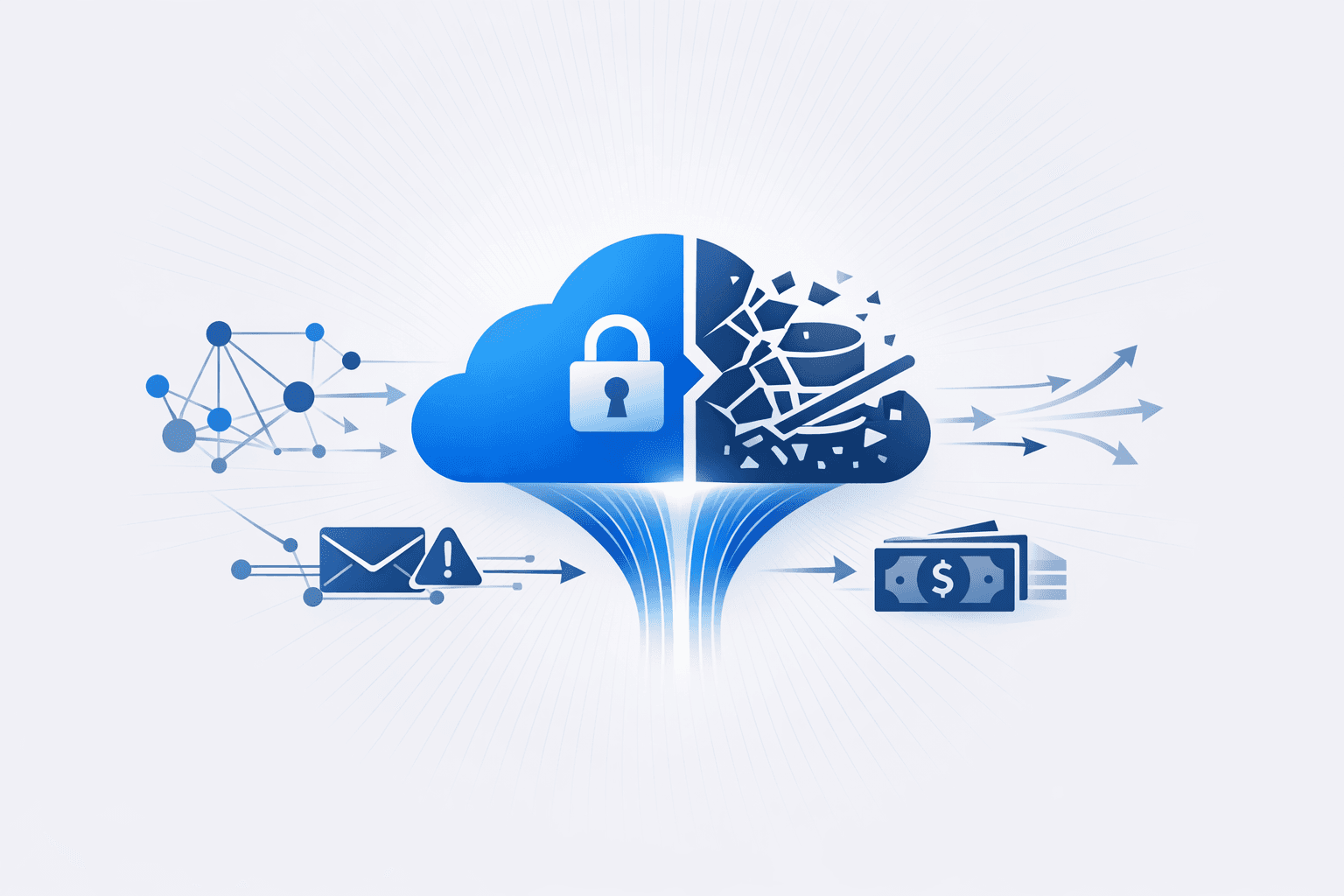
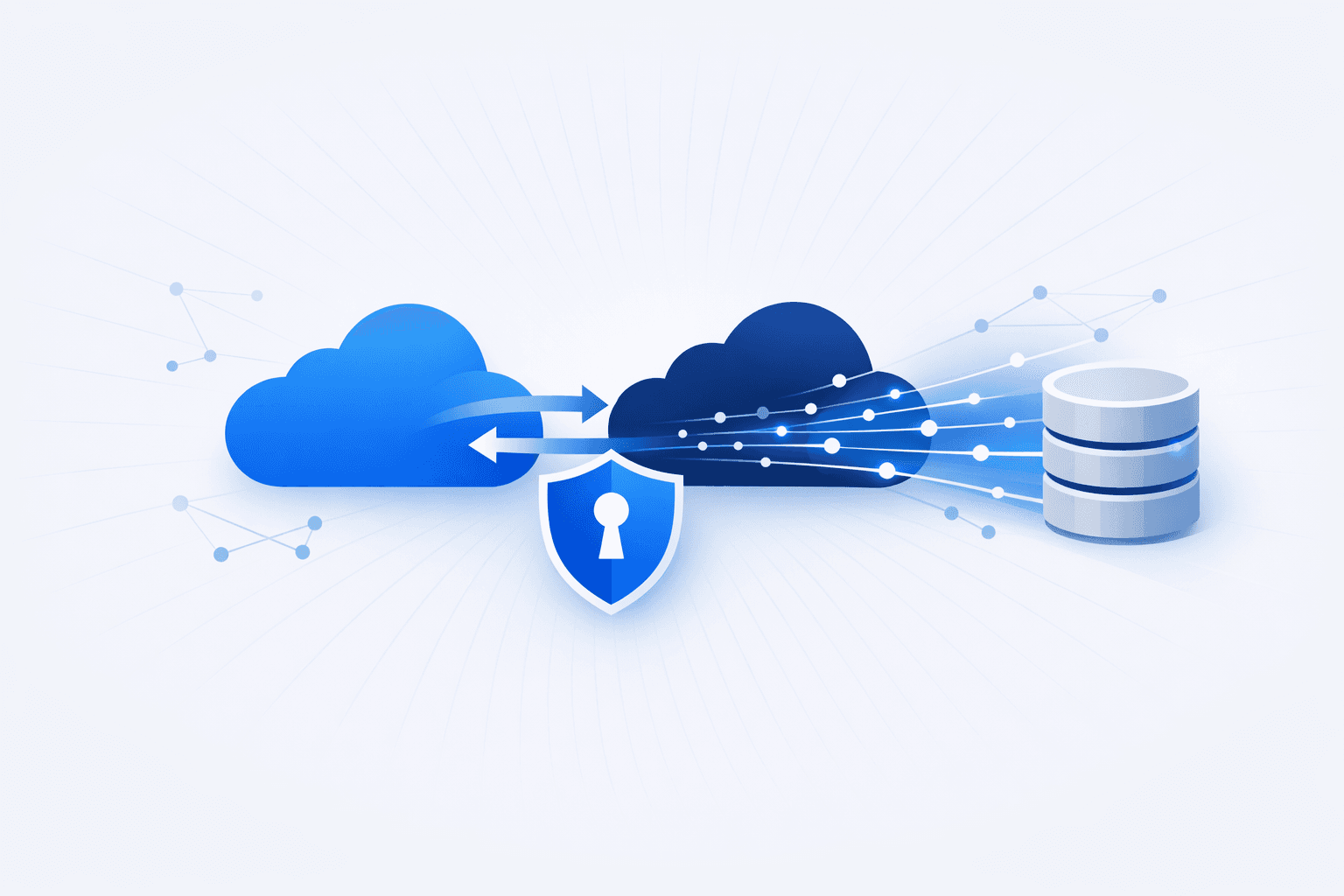
Attackers Can Ransom Amazon S3 Data With Customer-Provided Encryption Keys
Attack Surface Exposure · 4 sources · Updated 3mo ago · First seen Jan 1, 2026
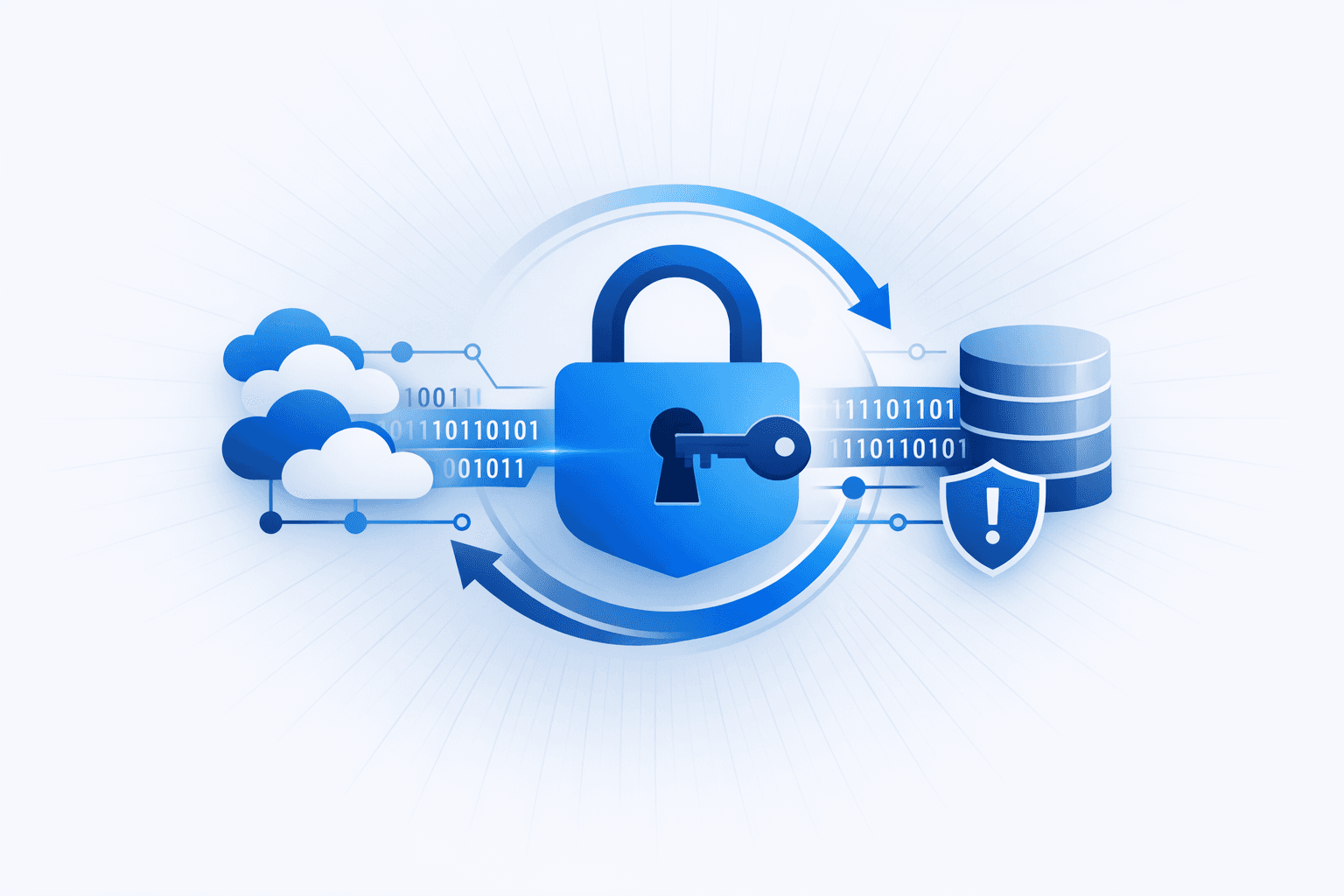
Attackers who obtain AWS programmatic credentials with broad Amazon S3 permissions can overwrite objects using server-side encryption with customer-provided keys (SSE-C). The attackers control the AES-256 keys, which AWS does not store or recover; consequently, organizations cannot decrypt the replaced objects without the original attacker-held keys. The technique can be paired with a ransom note and a seven-day bucket lifecycle deletion policy, creating both an extortion mechanism and a risk of permanent data loss.
Organizations should collect Amazon S3 data events in AWS CloudTrail and alert on successful PutObject activity specifying SSE-C/AES256 encryption, especially where the behavior is new for an IAM principal or bucket. Defenses include enabling S3 versioning to preserve recoverable object versions, enforcing least-privilege IAM and restrictive bucket policies, and monitoring changes to lifecycle configurations. S3 default server-side encryption should be configured as appropriate, but it does not eliminate the risk from authorized requests that explicitly supply attacker-controlled SSE-C keys.
Why it matters
Impact assessment
Attackers with compromised AWS programmatic credentials and broad Amazon S3 permissions can render S3 objects inaccessible by overwriting them with attacker-controlled SSE-C encryption keys. This creates a high-severity cloud-ransomware condition: affected data can become permanently unrecoverable, operations dependent on that data can be disrupted, and the organization may face extortion, recovery costs, and reputational damage.
- Affected environments: AWS customers with S3 buckets accessible to IAM users, roles, access keys, bucket policies, or ACLs that permit object modification. Exposure is greatest where identities have
AmazonS3FullAccess,AdministratorAccess, or equivalent custom permissions. - Required access: The full described operation requires permissions including object listing, retrieval, overwrite/deletion, and lifecycle-configuration modification. Publicly exposed or overly permissive buckets may also be exposed if policy permits these actions.
- Scope: This is not a software vulnerability or CVE; it is abuse of valid AWS capabilities after credential compromise or authorization misconfiguration. It can affect every object reachable by the compromised principal.
- Data-loss risk: AWS does not retain SSE-C customer keys. Replaced objects require the exact attacker-held AES-256 key for retrieval. A lifecycle policy that deletes data after seven days increases the likelihood of irreversible loss.
- Exploitation: Halcyon Research Team reportedly documented publicly known in-the-wild ransomware abuse of SSE-C. Elastic Security Labs subsequently emulated and published detection engineering for the technique.
- Resilience factor: S3 Versioning can retain pre-overwrite object versions, but recovery may still be impaired if versioning is disabled, old versions are deleted, or an attacker can delete versions and alter lifecycle rules.