LLMJacking Turns Stolen Cloud Credentials Into Six-Figure AI Bills
Active Exploitation · 15 sources · Updated 22d ago · First seen Nov 2, 2026
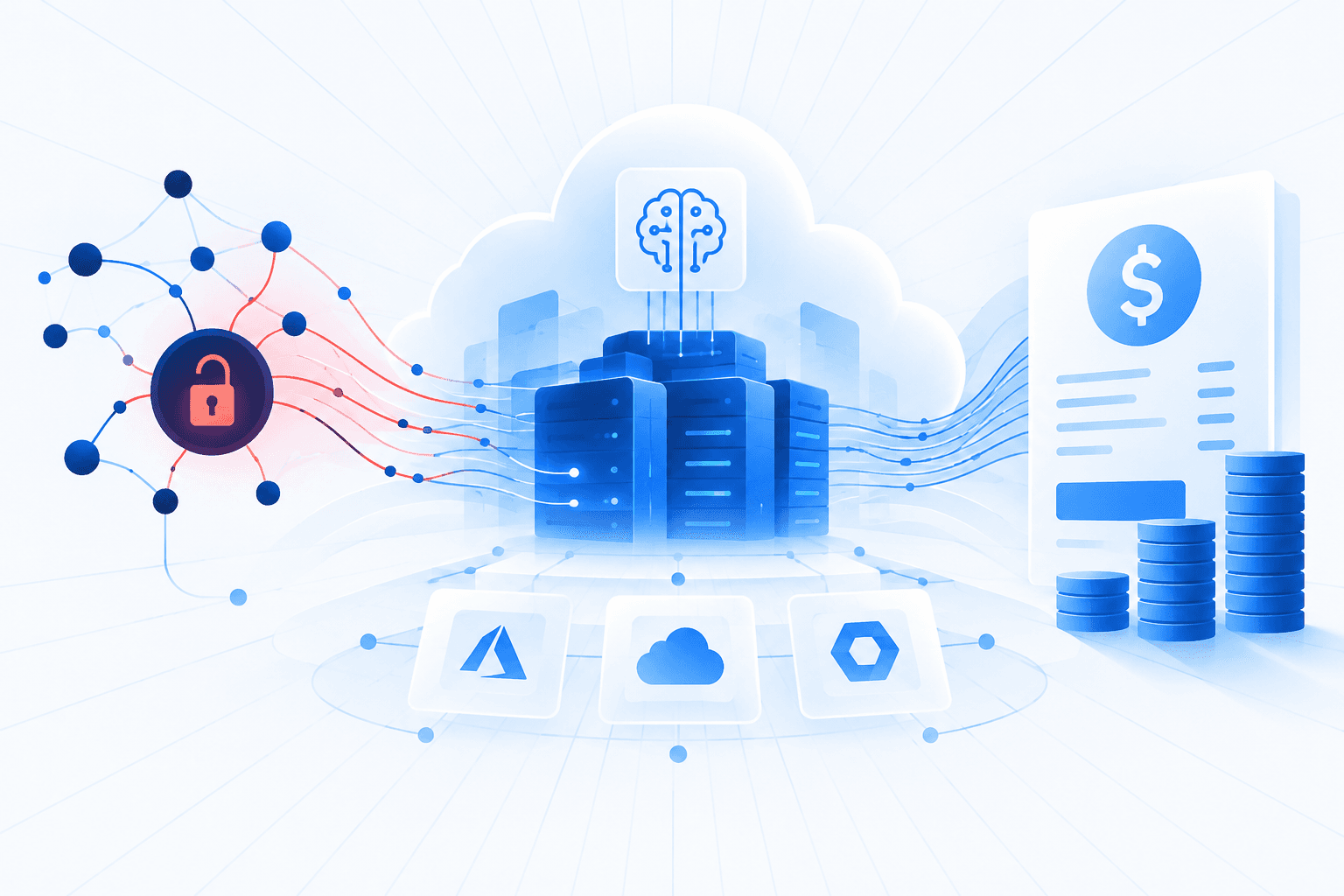
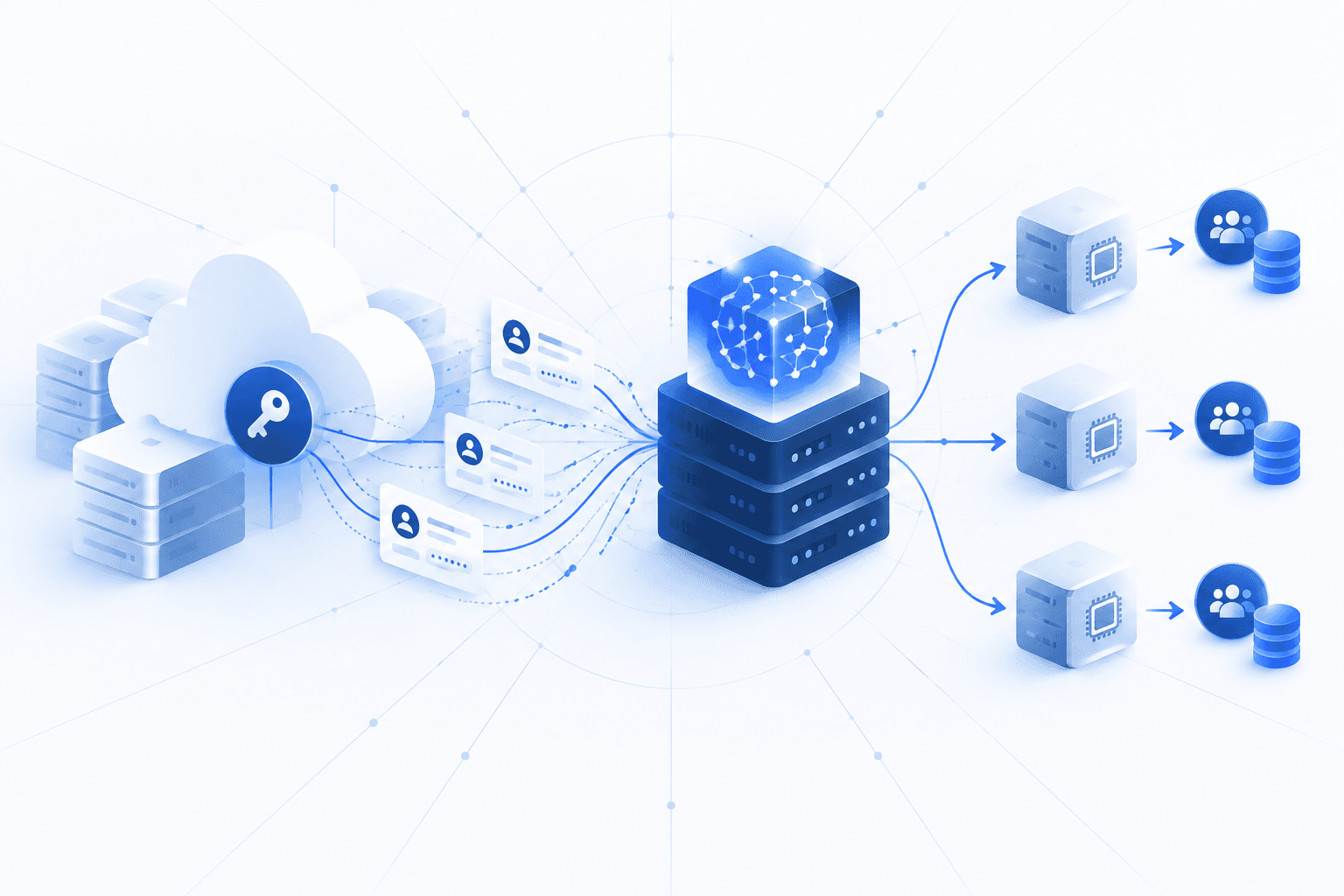
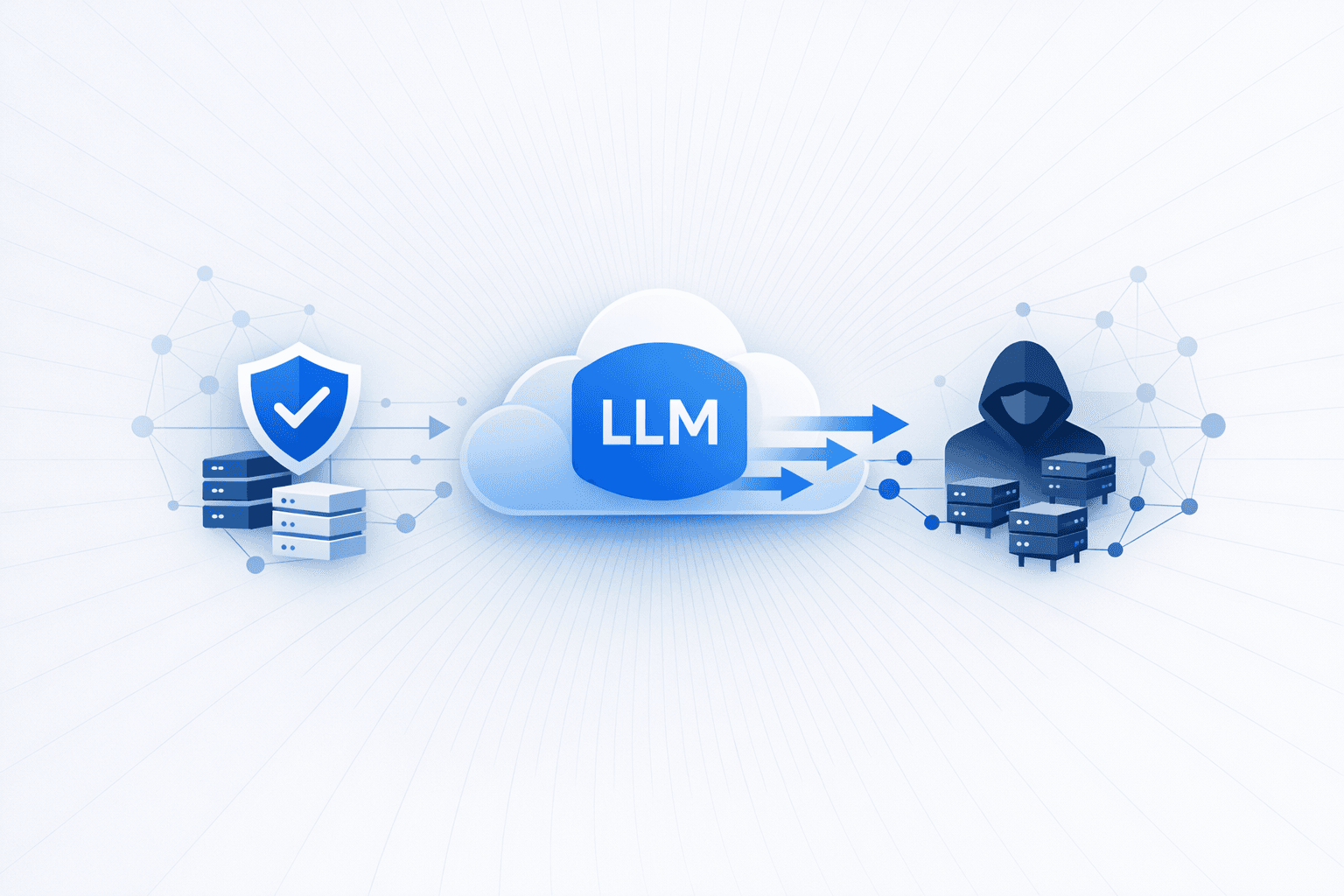
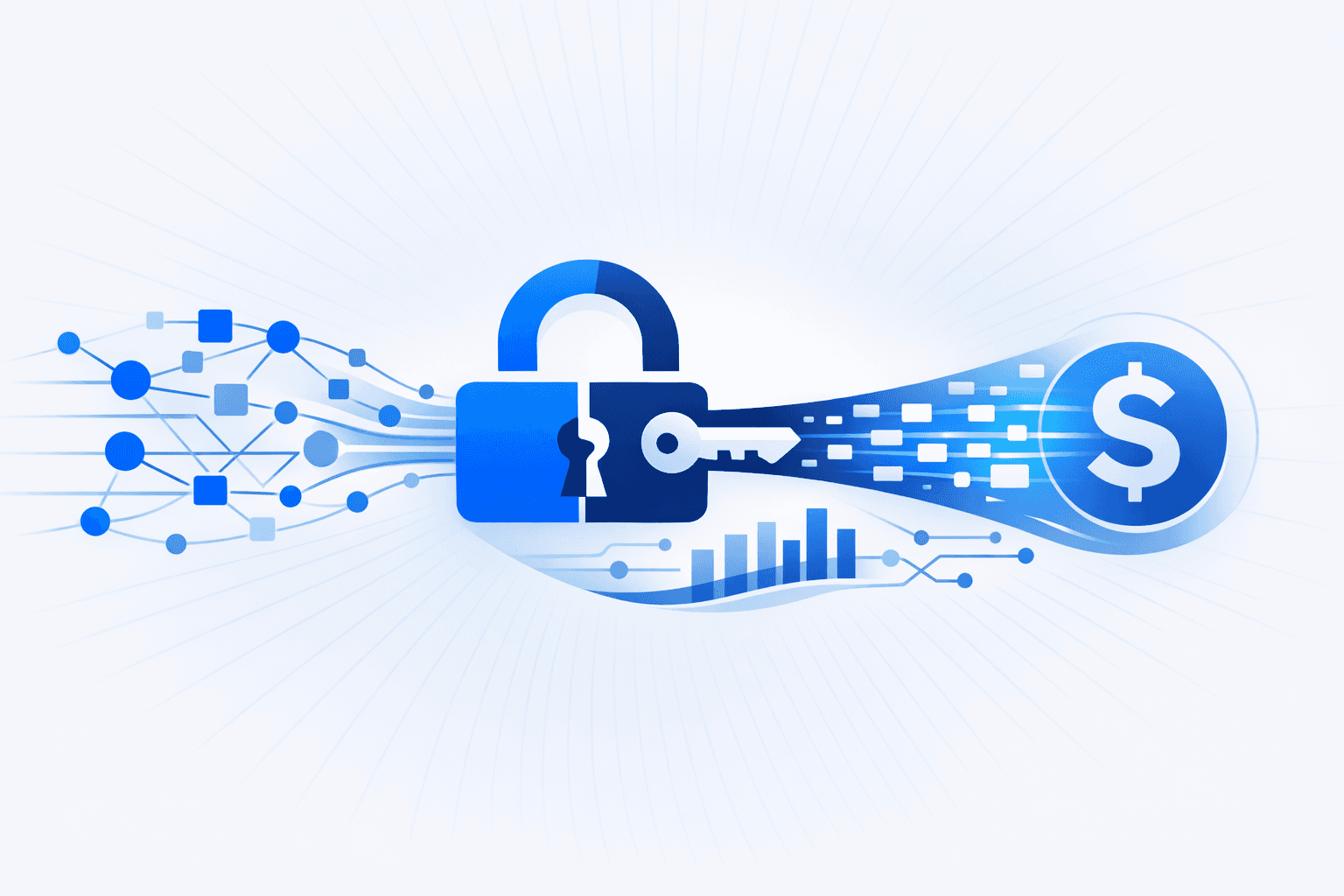
Attackers are stealing cloud credentials, LLM API keys, and access tokens to hijack corporate AI resources and resell access through discounted services, proxy gateways, and underground storefronts. Google’s Mandiant documented fraudulent charges exceeding $100,000 per day and victims accumulating nearly $1 million in costs before access was revoked. UNC6993 generated more than $100,000 in victim charges, while a separate operation supporting the Jet Night token-routing service imposed nearly $1 million in token costs on one organization. UNC6993 also used a deceptive application portal to obtain active access tokens, bypassing password and multifactor authentication controls.
Investigations found attackers expanding access through credential discovery, cloud privilege escalation, unauthorized accounts, SSH-key persistence, and exploitation of a LiteLLM gateway vulnerability tracked as CVE-2026-40217. Operators enabled premium models, rotated short-lived service accounts to evade rate limits, and used agentic workloads and GPU provisioning to scale abuse; Google assessed that stolen API quotas were being resold through services it calls LLM Mixers. Google recommends stronger identity and access management, centralized secrets storage and rotation, least-privilege permissions, and automated secrets scanning to reduce exposure.
Why it matters
GTIG and Mandiant investigated multiple active LLMJacking intrusions in 2026 in which criminals stole enterprise cloud or AI access and resold model usage, generating fraudulent charges exceeding $100,000 per day and approaching $1 million at some victims. The observed impact extends beyond billing: attackers stole additional credentials, established administrative persistence, and, in one investigation, performed storage operations associated with targeted data theft; quota exhaustion and disruption to legitimate AI workloads are additional risks.
- Industry-specific impact: Yes. Investigated victims operated in financial services (40), retail (25), technology (45), and transportation (20), establishing observed cross-sector impact rather than merely generic product exposure. Named victims and sector-by-sector loss totals are not supplied. Supporting reference
- Geography-specific impact: Yes, at regional precision: investigated victims operated in North America, South America, and Asia Pacific. Geography-specific impact at country level is not established, so no country codes are assigned. Supporting reference
- Scope and confidence: Multiple intrusions and exploitation in the wild are documented, but the total victim population is unknown. The separate grey-market developer-tool relay operation described in one reference is not treated as evidence of this LLMJacking campaign’s country-level impact.