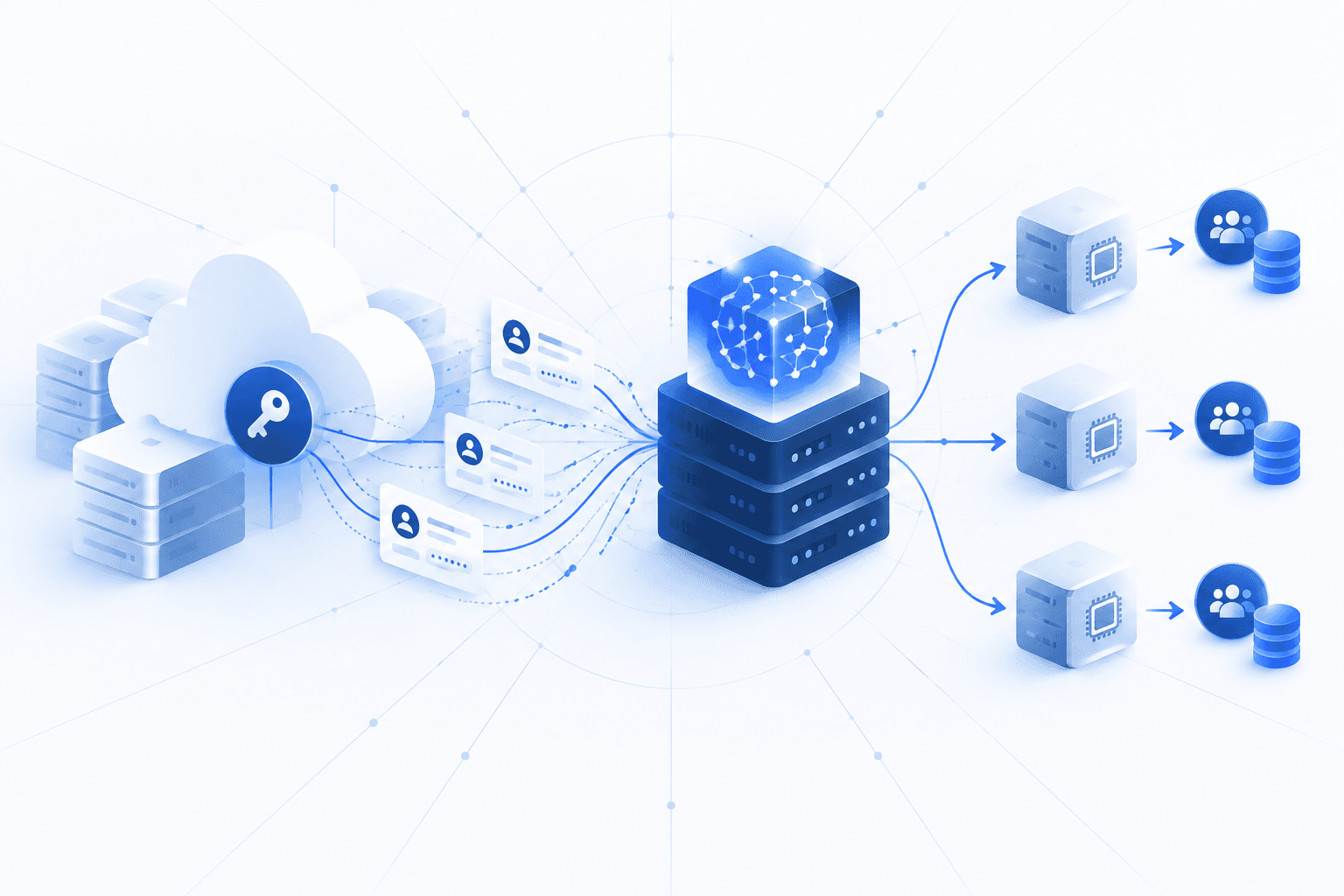
LLMjacking Attacks Exploiting Misconfigured Proxies to Steal Paid LLM Access
Emerging Technology Risk · 2 sources · Updated 5mo ago · First seen Jan 11, 2026
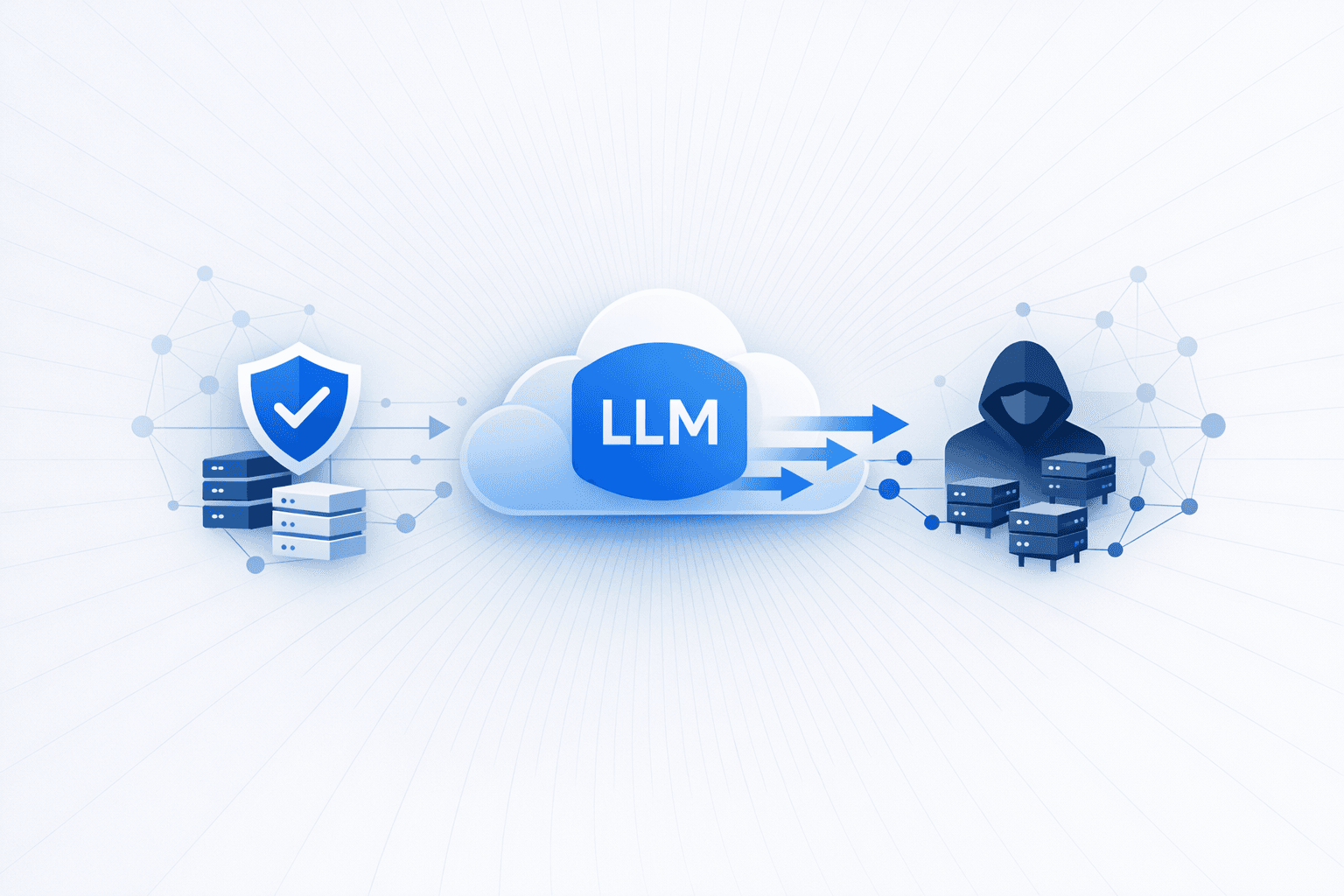
Threat actors are actively exploiting misconfigured proxy servers to gain unauthorized access to paid Large Language Model (LLM) services, including those from OpenAI, Google Gemini, Anthropic, Meta, and others. These attacks, referred to as "LLMjacking," involve advanced enumeration techniques, server-side request forgery (SSRF), and the use of custom scripts to identify and hijack exposed LLM endpoints. The attackers leverage distributed virtual private server (VPS) infrastructure and sophisticated operational security measures, indicating a well-resourced and coordinated campaign. Stolen access to these commercial AI endpoints is being monetized on underground forums, highlighting the financial motivation and the growing underground market for compromised LLM credentials.
Recent threat intelligence and incident reports confirm that this campaign has been ongoing since late 2025, with systematic, low-noise probing of enterprise AI infrastructure. Security researchers have observed attackers actively attempting to access various LLM pathways, including through honeypots set up for OpenAI, Gemini, and Claude endpoints. While there is no direct attribution to known APT groups, the technical sophistication and scale of the operation suggest involvement by organized cybercriminals or advanced grey-hat operators. Organizations are urged to review and secure their proxy configurations and monitor for unusual access patterns to prevent unauthorized use of their paid AI services.
Why it matters
Impact assessment
This activity affects organizations exposing LLM access through misconfigured proxies, AI gateways, webhook integrations, or agent infrastructure, especially technology firms, research institutions, and enterprises embedding commercial LLM APIs into products and workflows. The immediate impact is unauthorized consumption of paid AI services, credential or API key theft, and potential follow-on exposure if connected AI systems can access enterprise data, credentials, or business processes.
The campaign appears broad and opportunistic rather than sector-specific. Reporting describes systematic low-noise probing since late 2025 across 73+ LLM endpoints, 80,469 sessions over 11 days, and infrastructure distributed across 27 countries; no major public breach was confirmed as of January 2026, but active exploitation and underground resale of stolen access for as little as $30 per account indicate real-world abuse.
Supporting facts
- Affected products and ecosystems named: OpenAI, Google Gemini, Anthropic Claude, Meta Llama 3.x, DeepSeek-R1, Mistral, Alibaba Qwen, xAI Grok.
- Exposure condition: misconfigured proxy servers leaking access to commercial LLM APIs.
- Additional at-risk components: Ollama model pull workflows and Twilio SMS webhook integrations via MediaURL.
- Business impact: unauthorized API usage charges, service abuse under victim accounts, possible reputational damage, and elevated risk if AI systems are integrated with sensitive enterprise data or agentic actions.
- Scope indicators: 62 source IPs across 27 countries in one report; two IPs generated 80,469 sessions over 11 days in another report.
- Campaign characterization: opportunistic, financially motivated, and consistent with organized cybercriminal reconnaissance feeding broader exploitation.
- Exploitation status: active probing and attempted exploitation observed in the wild; no publicly confirmed large-scale breach disclosed in the cited reporting as of January 2026.