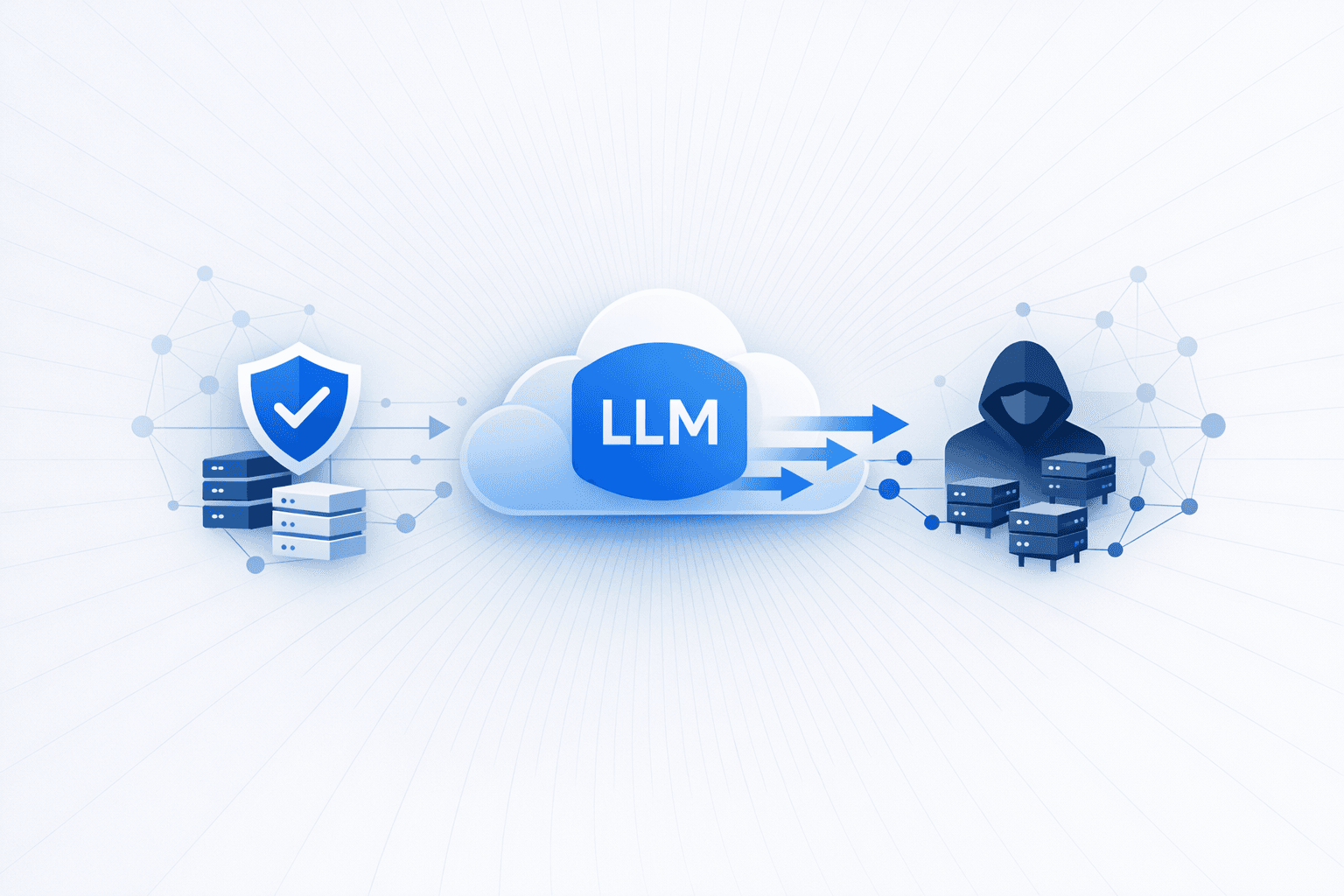
LLMjacking Turns Stolen Cloud Credentials Into Resold AI Compute
Emerging Technology Risk · 4 sources · Updated 3mo ago · First seen Sep 13, 2026
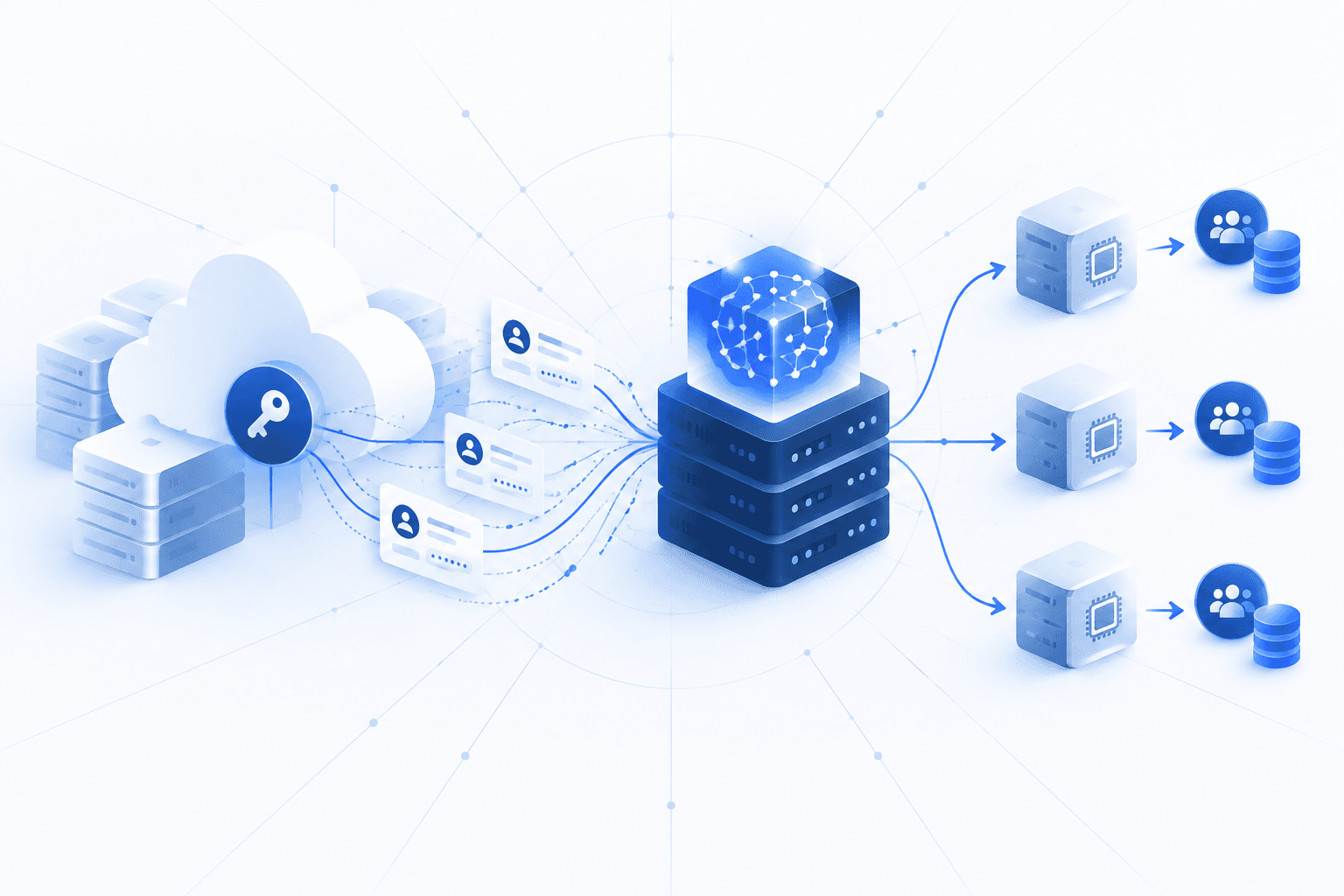
Attackers are increasingly monetizing stolen cloud credentials through LLMjacking: unauthorized use of hosted large-language-model services that charges inference costs to victims. In observed AWS incidents, attackers used long-lived IAM keys with AdministratorAccess to create IAM users, accept Amazon Bedrock Marketplace agreements, and invoke foundation models; earlier activity used credentials exposed through a vulnerable Laravel instance affected by CVE-2021-3129 to test access across multiple AI platforms and target Anthropic Claude through Bedrock. Adversaries have used malformed InvokeModel requests to validate access and checked whether invocation logging was enabled, while sustained abuse of Claude quotas across regions was estimated to cost more than $46,000 per day and exhaust legitimate customer capacity.
The activity has developed into a commercial access market. Researchers report that “Operation Bizarre Bazaar” scans for exposed, unauthenticated APIs and Model Context Protocol (MCP) servers using internet-search services, validates compromised access, and resells LLM compute or API access through Telegram and Discord marketplaces for cryptocurrency and PayPal. MCP compromise may also enable access to connected internal file systems or databases, extending the risk beyond fraudulent AI consumption. Organizations should eliminate long-lived privileged keys, use short-lived role credentials and least-privilege permissions, remediate exposed services and secret leaks, and investigate new Bedrock activity—especially identity creation, unfamiliar source IPs, service enumeration, access-denied events, and missing or disabled CloudTrail and model-invocation logs.
Why it matters
Summary
LLMjacking converts stolen cloud credentials and exposed AI endpoints into unauthorized hosted-model inference, placing direct consumption charges and quota exhaustion on victim organizations. AWS customers using Amazon Bedrock are directly affected; organizations exposing unauthenticated APIs or Model Context Protocol (MCP) servers are also exposed to follow-on access into connected file systems and databases.
Impact details
- Financial impact: sustained abuse of Anthropic Claude 2.x quotas across AWS regions was estimated at approximately $46,080 per day. The reported potential cost exceeds $100,000 per day for Claude 3 Opus-class inference.
- Operational impact: adversaries can exhaust Bedrock and model-provider quotas, preventing legitimate applications and users from accessing required AI services.
- Exposure scope: this is a broad cloud-credential and exposed-service abuse model, not a vulnerability limited to a single LLM provider. Observed targeting included AWS Bedrock, Azure, GCP Vertex AI, Anthropic, OpenAI, Mistral, AI21 Labs, ElevenLabs, MakerSuite, and OpenRouter.
- Escalated impact: compromised MCP servers may expose connected internal resources, including file systems and databases, enabling lateral movement beyond AI-consumption fraud.
- Commercialization: Operation Bizarre Bazaar reportedly cataloged more than 35,000 attack sessions and resold access to more than 30 LLM providers through Telegram and Discord. This lowers the barrier for follow-on abuse.
- Known exploitation: researchers observed in-the-wild credential abuse against AWS Bedrock, including use of a Laravel instance vulnerable to CVE-2021-3129 as an initial credential-theft path.