Mallory
← Back to News
leaked-secret-api-keyai-platform-securitycredential-stealer-activitypackage-repository-poisoning

Stolen AI API Keys Fuel Token Jacking and Massive Fraudulent Usage

Breach & Incident Intelligence · 3 sources · Updated 3mo ago · First seen Aug 14, 2026

Stolen AI API Keys Fuel Token Jacking and Massive Fraudulent Usage

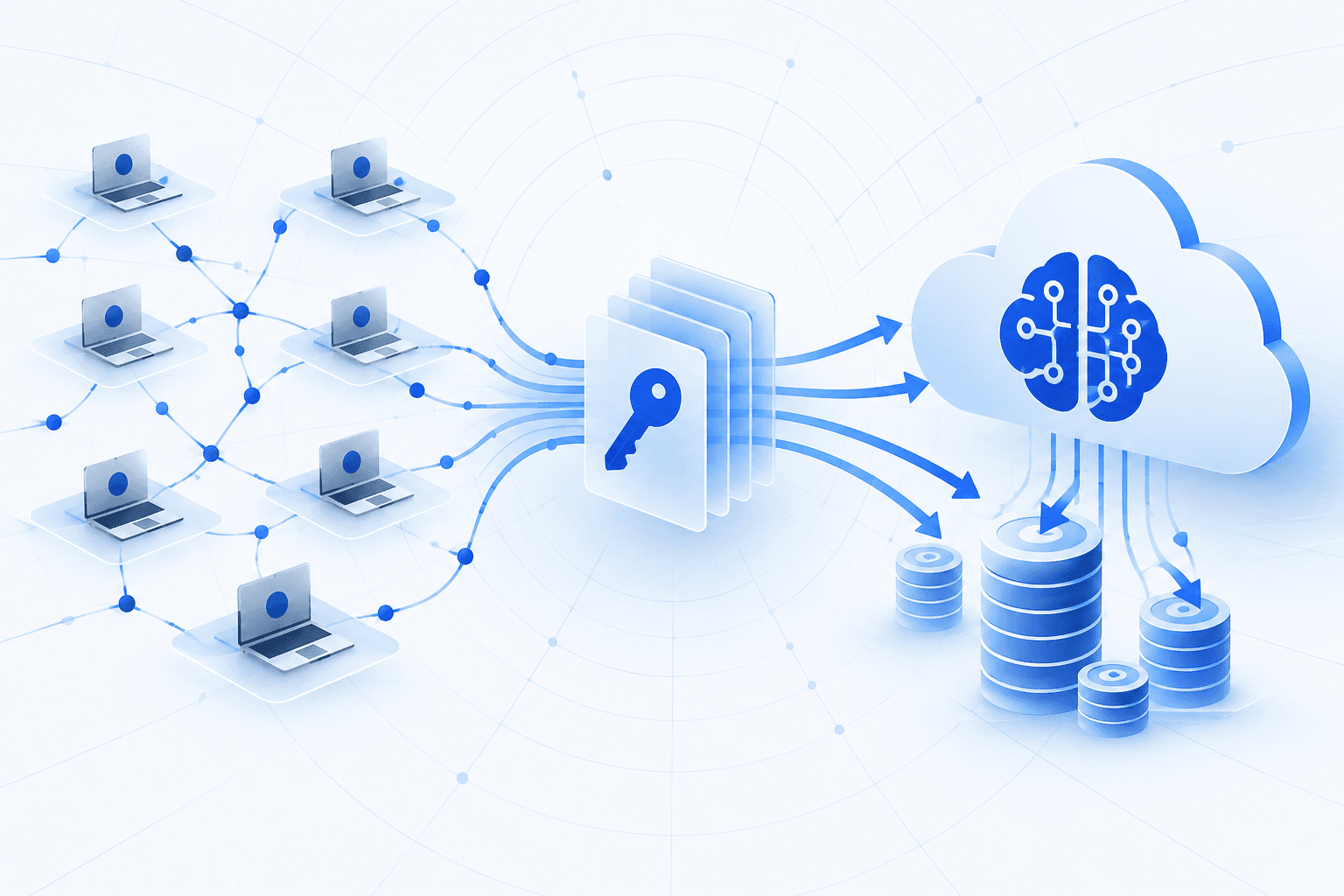
Attackers are stealing AI platform API keys and using them to consume paid model services on victims’ accounts, a practice Unit 42 describes as AI token jacking. The activity has generated nearly $1 million in fraudulent charges before some victims detected the abuse, with malicious infrastructure in some cases driving tens of millions of API calls per day. Stolen credentials are being monetized directly and also funneled through gray-market "transfer stations" that resell access to legitimate AI services using compromised or discounted accounts.

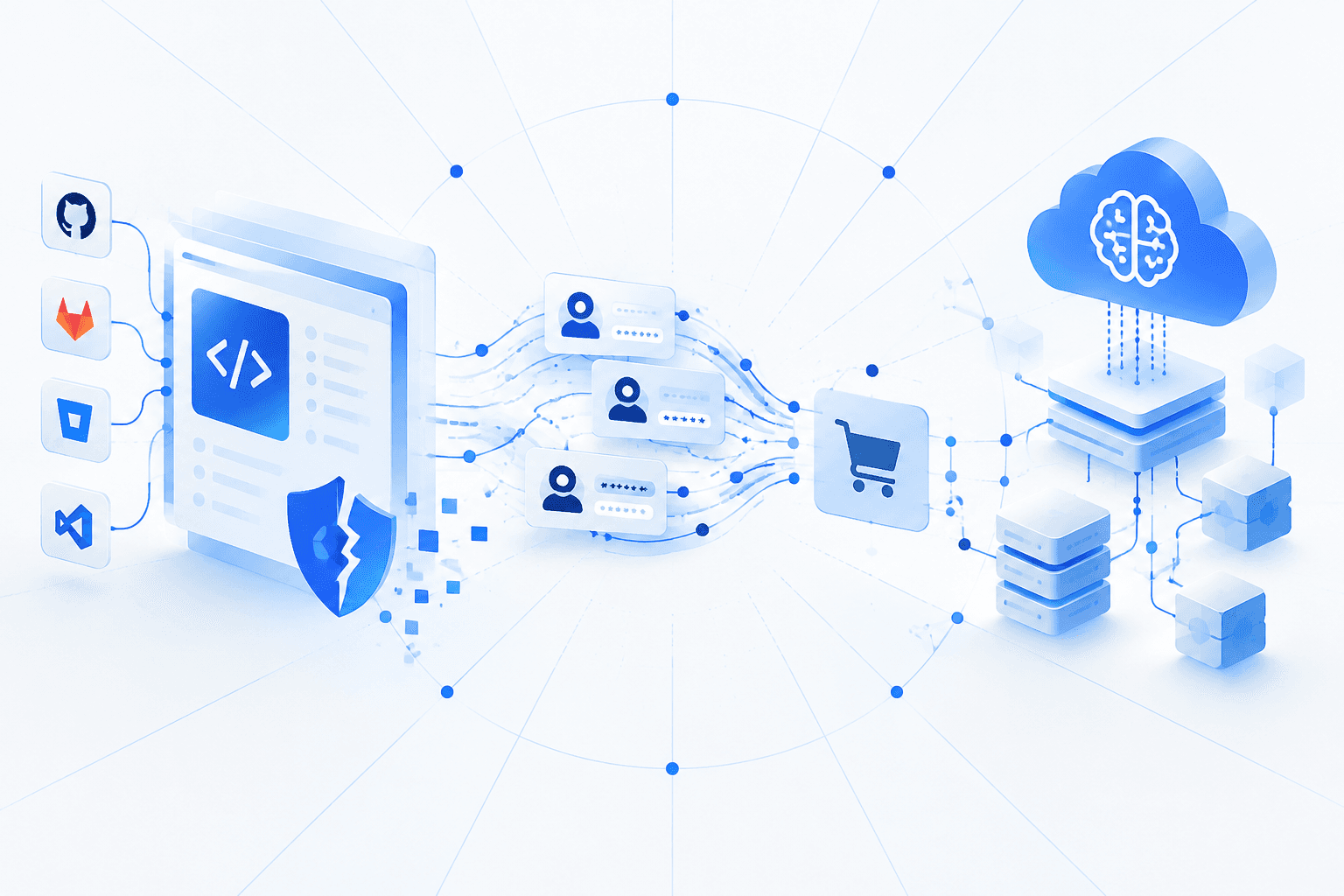
The stolen keys are being obtained through phishing, infostealer malware, exposed file shares, public code repositories, and poisoned software packages, including self-propagating npm packages that can steal credentials and taint later releases. Defenders are being urged to revoke exposed keys immediately, monitor billing and usage for anomalies, enforce spending caps and short-lived tokens, tighten privileged-account controls, restrict network access, and strengthen software supply-chain hygiene; reporting also points to indicators of compromise such as suspicious user-agent strings, malicious IP addresses, and domains linked to transfer-station infrastructure.

Why it matters

Impact assessment

AI token jacking primarily affects organizations that use paid AI/LLM APIs, especially software vendors, SaaS providers, startups, developer-heavy teams, and any enterprise exposing AI credentials in code, build systems, shared storage, or developer endpoints. The immediate impact is financial abuse of victim accounts, but secondary impacts include service disruption, incident response costs, supply-chain contamination, and reputational damage if compromised accounts are used to support gray-market resale infrastructure.

The reported scope is broader than isolated fraud: Unit 42 describes a rising pattern of abuse, nearly $1 million in fraudulent charges across observed cases, and infrastructure generating tens of millions of API calls per day. Exploitation is active in the wild, and delayed billing models increase the chance that victims will discover abuse only after substantial charges accrue.

Supporting details

  • Affected populations:
    • Organizations consuming commercial AI platform APIs
    • Developers with local API keys or tokens
    • Teams using public code repositories, shared file storage, CI/CD pipelines, and package ecosystems such as npm
    • Organizations with privileged developer or cloud accounts able to create keys, enable models, remove spending caps, or disable alerts
  • Severity:
    • Nearly $1 million in fraudulent charges reported before detection in some cases
    • Victim fees reportedly reached hundreds of thousands of dollars in reviewed incidents
    • Smaller firms may face material financial stress due to unrecoverable usage charges
  • Scope:
    • Emerging but growing cybercrime pattern rather than a single vendor-specific incident
    • Abuse includes direct consumption of victim-paid AI resources and resale through transfer stations
    • Supply-chain exposure increases downstream risk where poisoned packages spread credential theft into later releases
  • Known exploitation:
    • Yes, active exploitation is described by Unit 42
    • Malicious infrastructure reportedly generated tens of millions of API calls daily
    • Transfer-station services were linked to operationalized resale of stolen or discounted access
Is this vendor in your chain?See attribution, scope, and your downstream exposure.
Check the blast radius
Event timeline

How this story unfolded

Events from the most recent confirmed update back to the earliest known activity.

4 events
  1. Reported Aug 14, 20264mo ago

    Unit 42 publishes IOCs tied to AI token jacking activity

    The reporting included indicators of compromise associated with malicious API calls and transfer-station infrastructure, including the user-agent string "Go-http-client/2.0,gzip(gfe)," domains such as amutes[.]com and abb1[.]life, and multiple IP addresses tied to credential theft or abuse.

    AI Token Jacking Lets Hackers Steal API Keys and Rack Up Nearly $1 Million in Charges
  2. Reported Aug 14, 20264mo ago

    Researchers identify poisoned npm packages as a key infection vector

    The report highlighted poisoned, self-spreading npm packages as an especially concerning way attackers steal developer, cloud, and AI credentials. It said a malicious package can exfiltrate credentials from a developer environment and contaminate later software releases.

    AI Token Jacking Lets Hackers Steal API Keys and Rack Up Nearly $1 Million in Charges
  3. Reported Aug 14, 20264mo ago

    Unit 42 links abuse to transfer-station infrastructure

    Unit 42 linked the activity to gray-market intermediary services called transfer stations that resell access to official AI platforms using stolen or discounted credentials. In incidents reviewed by the researchers, this infrastructure generated tens of millions of API calls per day and drove victim fees into the hundreds of thousands of dollars.

    AI Token Jacking Lets Hackers Steal API Keys and Rack Up Nearly $1 Million in Charges
  4. Reported Aug 14, 20264mo ago

    Unit 42 reports rising AI token jacking abuse

    Unit 42 reported a growing pattern of "AI token jacking," in which attackers steal or expose AI API credentials and abuse victims' paid model access. The report said Palo Alto Networks had observed nearly $1 million in charges accrued before victims detected and contained the abuse.

    AI Token Jacking Lets Hackers Steal API Keys and Rack Up Nearly $1 Million in Charges
Linked entities

Related entities

Vulnerabilities, threat actors, malware, products, organizations, breaches, and observables Mallory has linked to this story. Indicator values are masked here and available in full in the app.

Open in app →

Observables

18 linked

Indicator values are masked on this page. View all 18 in Mallory Domains, IPs, hashes, and URLs are exportable to your SIEM.

Do you run this?See attribution, scope, and whether this vendor sits anywhere in your supply chain.
Get the Full Incident Picture
Mallory platform

See the full picture, correlated to your attack surface.

This page covers what’s public. Mallory adds the parts that aren’t: which of your assets are affected, which threat actors are using it right now, and what to deploy next.

Exposure mappingMap indicators from this story to your assets and identify affected systems in minutes.
Threat actor evidenceEvery observed campaign, victim, and pivot linked to actors named in this story.
Associated malwareMalware, exploits, and IOCs connected to the activity described here.
Detection signaturesYARA, Sigma, and Snort rules deployed to your SIEM as soon as they’re published.
Scheduled alertsGet matching new stories delivered to your team as they break, not the next morning.
AI threadsAsk questions about this story and take action on the answers.