Mallory
← Back to News
credential-stealer-activitycredential-access-methodcybercrime-service-ecosystemai-platform-security

WardenStealer and Aoki Steal AI Tokens That Can Survive Password Resets

Malware Intelligence · 3 sources · Updated 24d ago · First seen Oct 30, 2026
WardenStealer and Aoki Steal AI Tokens That Can Survive Password Resets

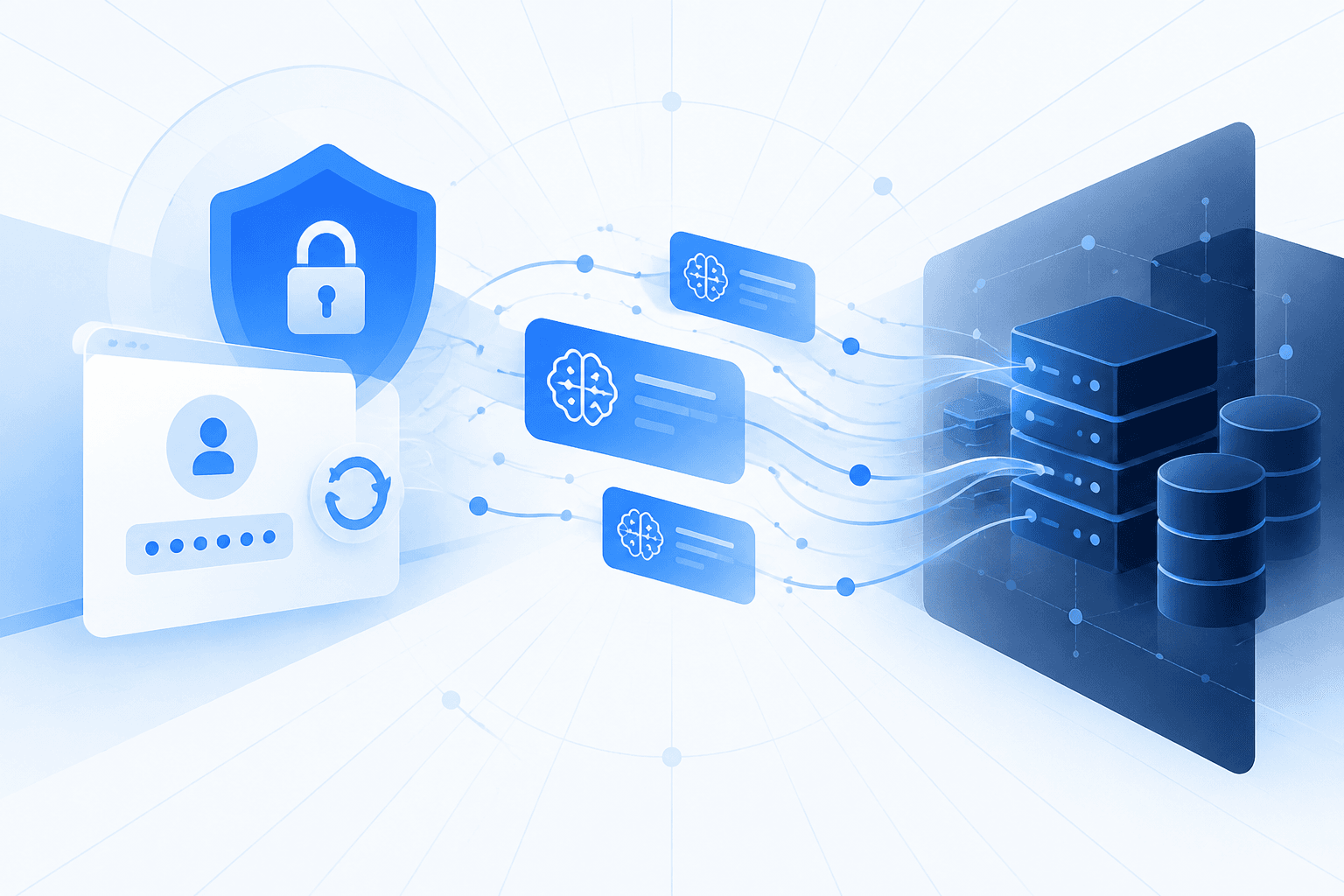
Windows infostealers WardenStealer and Aoki are harvesting AI-tool authentication tokens, API keys, session cookies, and configuration files alongside traditional passwords and browser data. SpyCloud identified the theft in recovered infection logs involving Claude Code, Codex, Claude Desktop, ChatGPT, GitHub Copilot, and Cursor, and reported more than 130,000 unique WardenStealer infections since August 3, 2026. Stolen credentials can allow attackers to reuse authenticated sessions without a fresh multifactor authentication challenge; some may remain valid after password resets. The findings concern compromised endpoints, not evidence of service-side breaches at AI providers.

Underground sellers are monetizing AI access through discounted subscriptions, API-credit resale, and unauthorized AI consumption known as LLMjacking, potentially generating unexpected charges and exposing connected development and cloud services. SpyCloud could not establish that every advertised credential originated from malware. Organizations investigating endpoint infections should explicitly revoke AI sessions and tokens, rotate exposed API keys, review connected services, and monitor anomalous API consumption rather than relying on password resets alone.

Why it matters

WardenStealer and Aoki are stealing AI-tool credentials from compromised Windows endpoints, exposing users and organizations to unauthorized AI consumption, unexpected charges, and potential access to connected repositories, cloud services, and build pipelines. SpyCloud confirmed credential collection in recovered infection logs and reported more than 130,000 unique WardenStealer infections since August 3, 2026; that count does not establish that every infection involved AI credentials or subsequent account abuse. Some stolen sessions, tokens, and API keys may remain usable after password resets; the findings do not establish service-side breaches at AI providers.

  • Industry-specific impact is not established. Developer workflows and connected services are exposed, but the supplied evidence does not identify affected organizations or targeting within a specific industry; AI-provider names alone do not establish an affected sector.
  • Geography-specific impact is not established. No affected countries, geographically targeted populations, or jurisdiction-specific obligations are identified.
  • Scope and uncertainty: Collection spans Claude Code, Codex, Claude Desktop, ChatGPT, GitHub Copilot, and Cursor. Enterprise consequences depend on the files stolen, credential validity, permissions, and connected services. Underground resale is observed, but SpyCloud could not establish that every advertised credential came from malware.

Source: SpyCloud research.
Hunt this familyPull IOCs and campaign context straight into your stack.
Get the IOCs
Event timeline

How this story unfolded

Events from the most recent confirmed update back to the earliest known activity.

10 events · May 2026 – Oct 30, 2026
  1. Reported Oct 30, 202630d ago

    Gen Digital documents AI-agent collection in Remus and Amatera

    Gen Digital also documented AI-agent collection capabilities in Remus and Amatera, showing that this functionality extended beyond WardenStealer and Aoki.

    Infostealers Now Target AI Tokens and API Keys | SpyCloud
  2. Reported Oct 30, 202630d ago

    SpyCloud identifies underground markets monetizing AI credentials

    SpyCloud observed Telegram markets selling AI subscriptions, API keys, credits, and authenticated sessions, including offers advertising $100 of Codex or Claude API credit for $8.94 and wholesale services paying suppliers based on usage. Automated feeds paired OpenAI keys with host information suggestive of infostealer sourcing, but researchers could not establish that every advertised credential came from malware.

    Infostealers Now Target AI Tokens and API Keys | SpyCloud
  3. Reported Oct 30, 202630d ago

    WardenStealer adds AI-agent collection through custom rules

    WardenStealer initially collected AI-agent data through operator-requested custom rules, before the capability became part of its standard build.

    Infostealers Now Target AI Tokens and API Keys | SpyCloud
  4. Oct 30, 202630d ago

    SpyCloud documents AI credential theft in recovered infostealer logs

    SpyCloud's research report confirmed that WardenStealer and Aoki collected AI-tool credentials, tokens, configuration files, and session material, with targets including Claude Code, Codex, ChatGPT, GitHub Copilot, and Cursor. The report documented more than 130,000 unique WardenStealer infections since its first observation and identified Aoki's AISessions collection folder and neihite[.]cc command-and-control domain.

    Infostealers Now Target AI Tokens and API Keys | SpyCloud
  5. Oct 15, 20261mo ago

    Symantec publishes analysis of Aoki's expanding AI-file collection

    Symantec reported that earlier Aoki builds lacked AI-file collection and that the newer capability was still expanding. It found no links to existing malware families or known threat groups and inferred a financial motive from the target list.

    Infostealers Now Target AI Tokens and API Keys | SpyCloud
  6. Oct 13, 20262mo ago

    Recovered Aoki infection counts grow through October 13

    Infection times derived from SpyCloud's recovered Aoki data showed growth through October 13, followed by a slight decline.

    Infostealers Now Target AI Tokens and API Keys | SpyCloud
  7. Oct 4, 20262mo ago

    SpyCloud first observes Aoki in recovered infection data

    SpyCloud first observed Aoki in recovered data, establishing the family's presence in its infection-log collection.

    Infostealers Now Target AI Tokens and API Keys | SpyCloud
  8. Sep 29, 20262mo ago

    WardenStealer version 1.9 announced with standard AI-data collection

    WardenStealer version 1.9 was announced with AI-agent data collection incorporated into the standard build, rather than requiring operator-requested custom rules.

    Infostealers Now Target AI Tokens and API Keys | SpyCloud
  9. Aug 3, 20264mo ago

    SpyCloud first observes WardenStealer

    SpyCloud first observed WardenStealer in its recovered data. Gen Digital separately reported increasing prevalence of the Rust-based Windows infostealer in early August 2026.

    Infostealers Now Target AI Tokens and API Keys | SpyCloud
  10. May 2026

    Earliest known WardenStealer builds appear

    Gen Digital dated the earliest WardenStealer builds to early May 2026 and identified the family as the malware it had previously called CallbackBeaver.

    Infostealers Now Target AI Tokens and API Keys | SpyCloud
Linked entities

Related entities

Vulnerabilities, threat actors, malware, products, organizations, breaches, and observables Mallory has linked to this story. Indicator values are masked here and available in full in the app.

Open in app →

Malware

2 linked

Affected products

7 linked
Claude CodeChatgptCursorClaudeCodex CliCodexClaude Desktop

Organizations

4 linked
AnysphereAnthropicOpenaiGitHub

Observables

1 linked

Indicator values are masked on this page. See the values in Mallory Domains, IPs, hashes, and URLs are exportable to your SIEM.

Do you run this?Pull the IOCs, campaigns, and victimology behind this family, ready to push into your SIEM and EDR.
Hunt This Malware
Mallory platform

See the full picture, correlated to your attack surface.

This page covers what’s public. Mallory adds the parts that aren’t: which of your assets are affected, which threat actors are using it right now, and what to deploy next.

Exposure mappingMap indicators from this story to your assets and identify affected systems in minutes.
Threat actor evidenceEvery observed campaign, victim, and pivot linked to actors named in this story.
Associated malwareMalware, exploits, and IOCs connected to the activity described here.
Detection signaturesYARA, Sigma, and Snort rules deployed to your SIEM as soon as they’re published.
Scheduled alertsGet matching new stories delivered to your team as they break, not the next morning.
AI threadsAsk questions about this story and take action on the answers.