Aokigahara Infostealer Targets AI App Sessions and Developer Cloud Credentials
Malware Intelligence · 8 sources · Updated 26d ago · First seen Oct 23, 2026
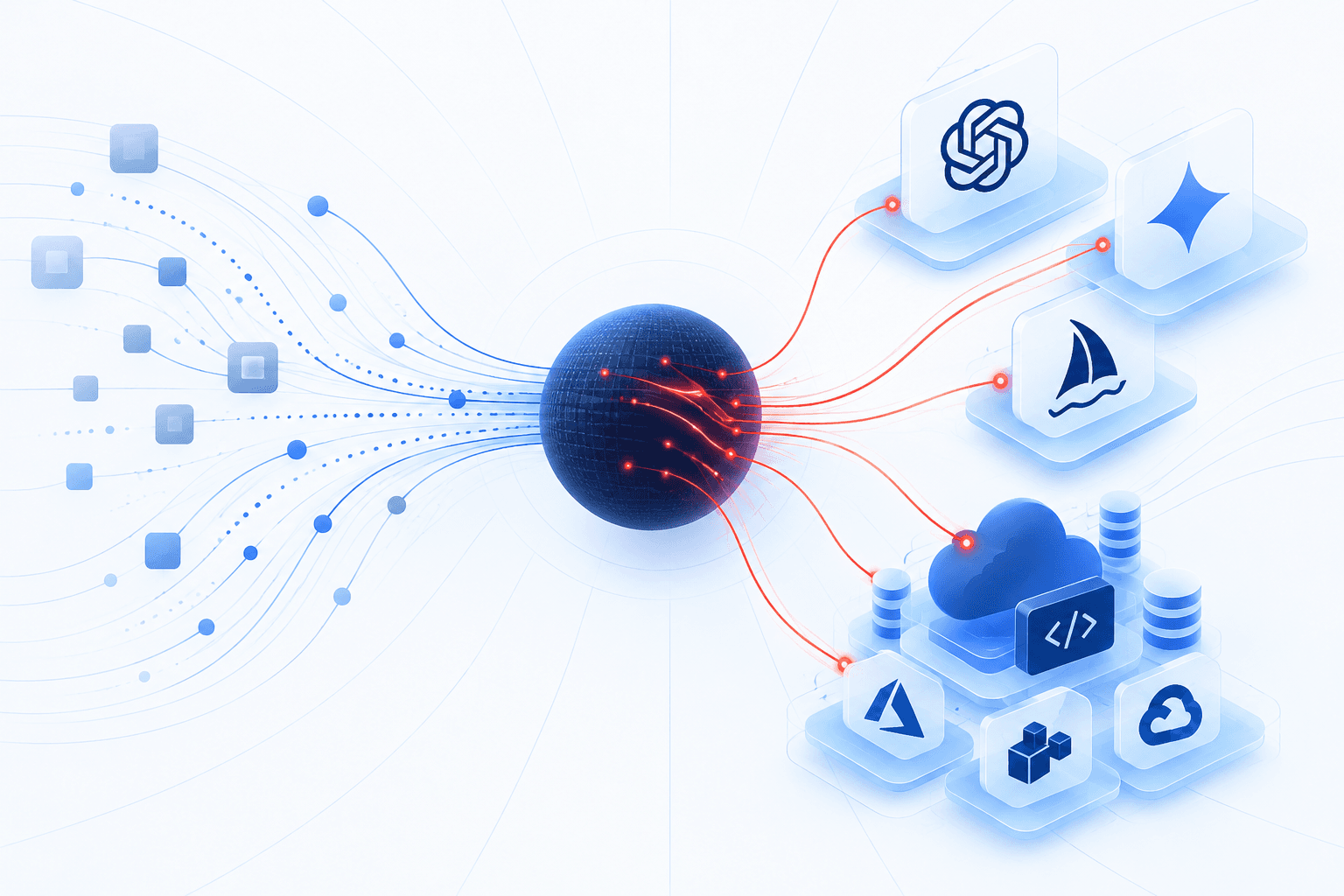
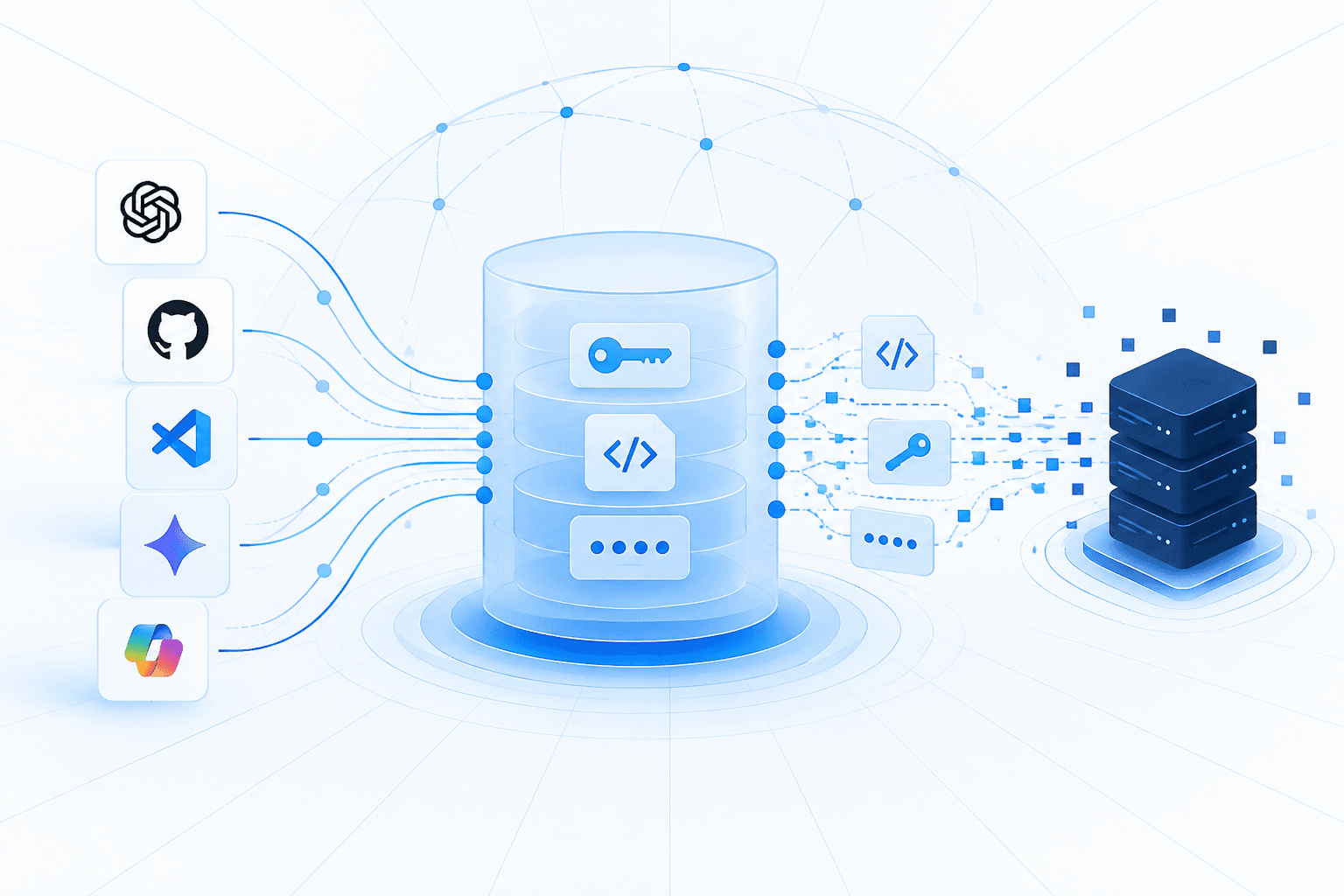
A newly observed infostealer named Aokigahara is targeting authentication files, session data, and settings from AI applications and developer tools alongside conventional browser, cryptocurrency wallet, messaging, and password-manager data. Check Point Research identified collection targeting Claude, ChatGPT Desktop, Codex, Cursor, Windsurf, GitHub Copilot, and Gemini CLI. The malware also collects Git credentials, SSH-related files, and AWS, Azure, and Google Cloud credentials and configuration data, potentially exposing source-code repositories and cloud resources. Earlier versions may have operated under the names Kamidere or Stygian.
Aokigahara uses configurable anti-analysis checks and an AES-encrypted configuration, then uploads stolen data in ZIP archives encrypted with AES-GCM using X25519-derived keys. Stolen AI access could support unauthorized paid-service use, account resale, or extortion involving sensitive conversations and files, although the operators’ actual monetization methods remain unconfirmed. For defenders, its collection scope underscores the need to treat compromised developer endpoints as potential AI-account, repository, and cloud incidents, revoking exposed sessions and rotating affected credentials rather than limiting remediation to browser passwords.
Why it matters
Aokigahara is a Windows infostealer observed in the wild that targets AI application sessions, developer credentials, and conventional browser and application data on compromised endpoints. Reusable secrets could expose private conversations, source code, repositories, and cloud resources, enabling account takeover, unauthorized charges, and further compromise; researchers have not confirmed AI credential reuse, resale, or extortion by its operators. The infection count and geographic distribution are not supplied, and the findings establish endpoint theft—not vulnerabilities in or breaches of the targeted AI services.
- Industry-specific impact is not established. Dedicated AI and developer collection modules establish exposure for users of those tools across organizations, not targeting or confirmed compromise of a particular industry. No affected organizations or sector-specific campaigns are identified in the primary research.
- Geography-specific impact is not established. No victim locations or geographic targeting are documented. Configurable exclusions based on keyboard or interface language do not establish affected countries or reliably exclude populations from exposure (primary research).
- Scope and severity: A compromised developer workstation can expose AI, repository, SSH, and cloud identities simultaneously. Actual downstream impact depends on which modules executed, which files contained secrets, and whether those secrets remained valid.