Infostealers Target AI Coding Agents for Tokens, Secrets and Prompt Histories
Malware Intelligence · 7 sources · Updated 3mo ago · First seen Sep 8, 2026
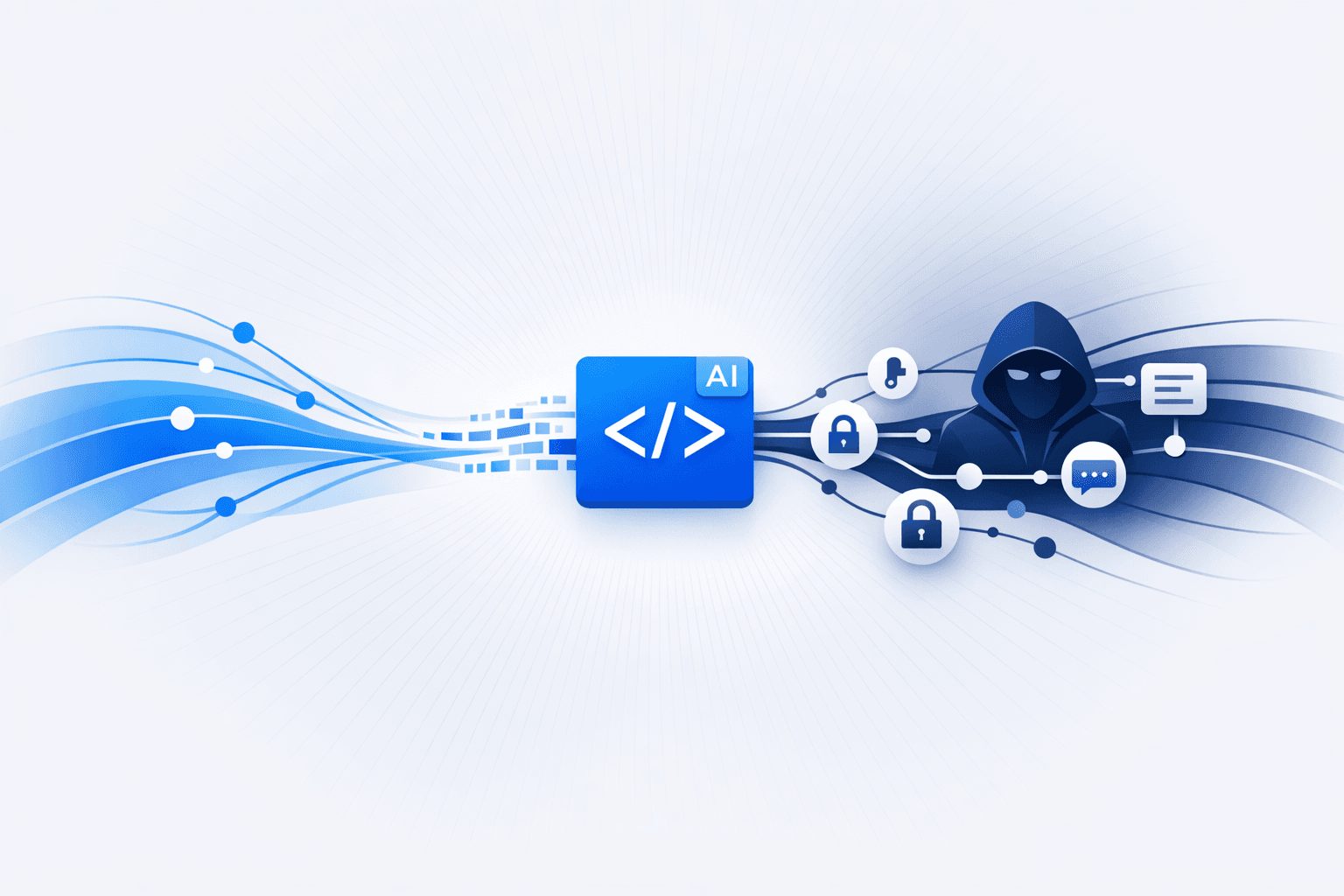
Information-stealing malware operators are expanding collection rules to harvest locally stored artifacts from AI-assisted development tools including Claude, Codex, Cursor, Cline, Continue, OpenCode, Gemini, and Kilo. Targeted files can contain account and refresh tokens, API keys, MCP configuration secrets, connected-service credentials, prompt and conversation histories, project metadata, and account details—creating opportunities for account takeover, paid API abuse, intellectual-property exposure, phishing, and fraud. The activity does not exploit a vulnerability in the AI agents; stealers already installed on endpoints are being remotely reconfigured to collect predictable local data stores.
Gen Digital observed multiple established stealer families pursuing these artifacts, while BlackFog reported that the MaaS malware Bee Stealer v2.1 includes dedicated .codex and .claude collection paths and advertises theft of associated authentication data and chat histories. Bee Stealer also gathers browser and application data, system information, screenshots, and user files, then uses an "AI PC profile" feature to generate English- and Russian-language victim profiles from stolen logs. Its operator panel supports searching, filtering, tagging, bulk log downloads, and processing stolen Google access tokens, enabling criminals to quickly identify and prioritize high-value victims.
Why it matters
Impact assessment
Information-stealer operators are now treating AI coding-agent artifacts as high-value identity, credential, and intellectual-property targets. Organizations using Claude, Codex, Cursor, Cline, Continue, OpenCode, Gemini, or Kilo on managed or unmanaged developer endpoints face account takeover, paid API abuse, compromise of MCP-connected services, source-code and prompt-history exposure, and follow-on phishing.
- Scope: Broad and opportunistic. This is an expansion of existing infostealer collection rules on already compromised endpoints, not a vulnerability in the AI agents.
- Affected populations: Software engineering, DevOps, cloud, security, and data teams; especially users whose AI agents connect to source control, ticketing, cloud, database, or collaboration services through MCP or saved credentials.
- Severity: High where locally stored refresh tokens, API keys, or MCP secrets enable durable access to external business systems. Prompt and conversation histories can expose proprietary code, internal hostnames, deployment details, incident-response material, and secrets pasted during troubleshooting.
- Financial and operational impact: Stolen LLM API keys enable LLMjacking, producing direct consumption charges, cloud compute abuse, and disruption of AI-enabled workflows. A reported Mandiant engagement involved an exposed GitHub Personal Access Token used to enter a cloud environment and deploy unauthorized AI infrastructure at scale.
- Exploitation in the wild: Yes. Gen Digital observed multiple stealer families adding AI-agent artifact collection; Okta identified unexpired AI-related tokens and active API keys in a Telegram-distributed infostealer dataset. The reporting does not establish exploitation of a software flaw in any named AI agent.
Reference-specific facts
- Gen Digital: Infostealer detections exceeded 3.3 million protected users in the first half of 2026, with monthly detections above 500,000. Amatera and Remus were detected among tens of thousands of protected Windows users over three months.
- Okta / The Hacker News: A 7 GB Telegram dump released on 2026-08-02 contained artifacts from 5,871 infected systems in 162 countries, including 1,843 unexpired JWT/JWE tokens at release and 24 valid API keys for Gemini, OpenAI, Groq, and OpenRouter.
- BlackFog: Bee Stealer v2.1 is marketed as Windows MaaS and supports post-exfiltration victim profiling to prioritize valuable victims before sessions expire.
- Auth0: LLMjacking can cause billing fraud, sensitive-data exposure, workflow disruption, and potential exposure of custom-model knowledge or internal data pipelines.