Aoki Infostealer Targets API Keys and Tokens for AI Coding Assistants
Malware Intelligence · 7 sources · Updated 1mo ago · First seen Oct 15, 2026
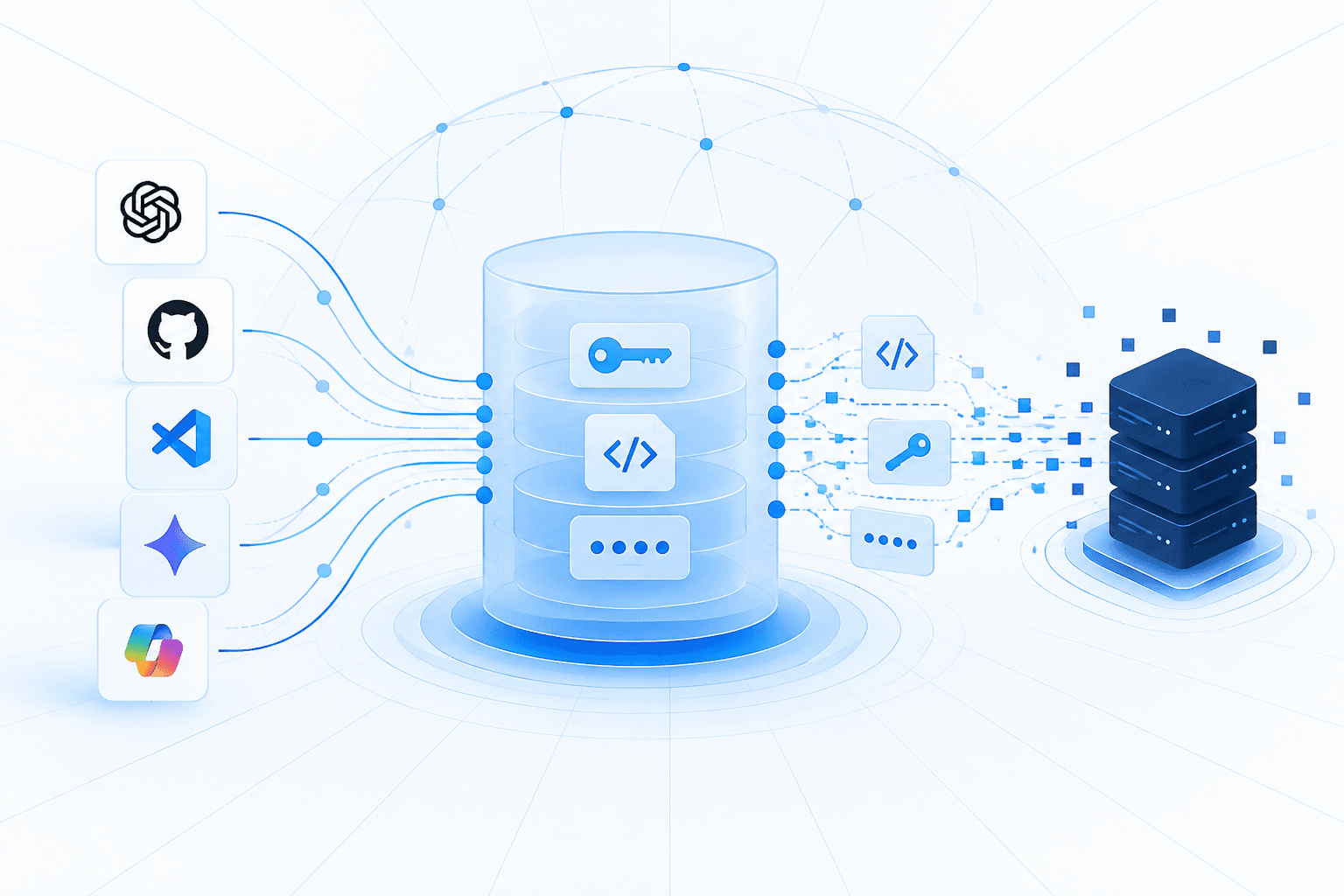
Newer versions of the little-documented Aoki infostealer target API keys and tokens associated with AI coding assistants, according to reporting linked to Symantec’s threat intelligence research. Named targets include Claude, Codex, Cursor, and Gemini, with the malware’s coverage of AI coding assistants reportedly expanding.
Delivery methods, technical indicators, and confirmed victims were not detailed in the available reporting. Stolen AI service credentials could enable unauthorized service access and usage charges, depending on their permissions. Organizations using these assistants should include their credentials in endpoint-compromise investigations, monitor for anomalous API usage, and revoke or rotate exposed keys and tokens when compromise is suspected.
Why it matters
Newer Aoki infostealer variants expand credential theft to developer endpoints using AI coding assistants, exposing API keys, authentication tokens and active sessions. Compromise can enable account impersonation, unauthorized AI-service charges and access to connected repositories, cloud services or CI/CD pipelines within the stolen credentials’ permissions. Researchers identified these capabilities in malware samples, but the reporting provides no confirmed victim count, campaign scale or demonstrated downstream LLMjacking incidents.
- Affected populations: Developers and organizations using Claude, ChatGPT, OpenAI Codex, Cursor, Codeium, Gemini, GitHub Copilot, JetBrains AI Assistant and Kiro; AWS credentials are also targeted.
- Business severity: High on infected developer endpoints with privileged or long-lived credentials. Consequences include financial loss, sensitive-data exposure and disruption while endpoints are remediated and credentials replaced.
- Broader exposure: Aoki also collects browser, wallet, password-manager, messaging, email, VPN and file-transfer data. Incident scoping must extend beyond AI accounts.
- Source-code risk: The primary collection focus is credentials and sessions, not source-code theft. Cursor’s local state database can nevertheless contain cached chat context and code snippets.
- Attribution: No named threat group or geographic origin is established. Cryptocurrency targeting suggests financial motivation; credential resale and LLMjacking are potential monetization paths, not confirmed operator activity.