x47.c Windows Botnet Drains AI API Credits Using Stolen Keys
Malware Intelligence · 5 sources · Updated 2mo ago · First seen Sep 23, 2026
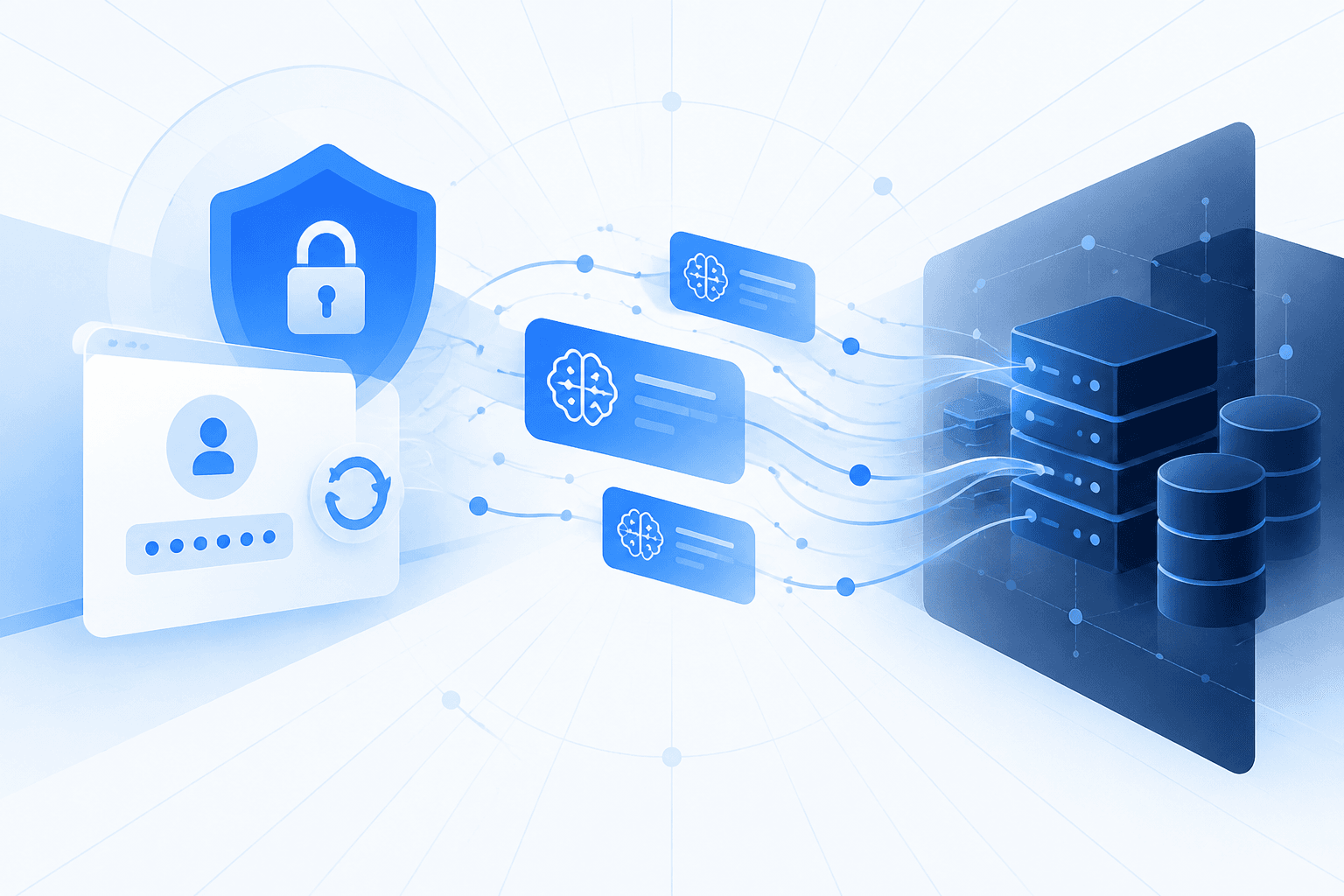
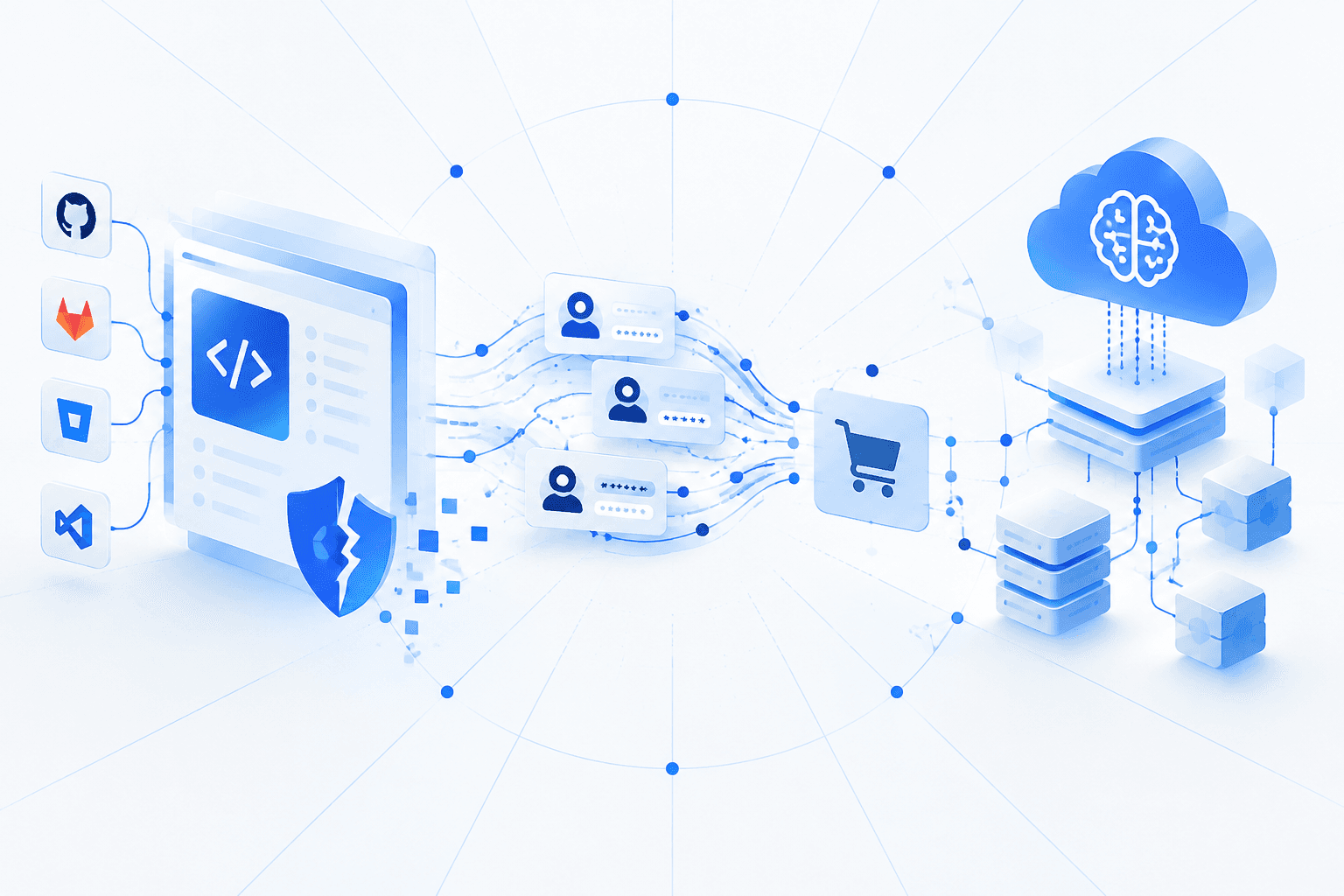
The previously undocumented x47.c Windows botnet is being marketed by WraithTools with 18 attack capabilities, including credential theft, SOCKS5 proxying, fast-flux infrastructure, DDoS attacks, and AI-assisted persistence and host concealment. Its persistence module reportedly uses xAI's Grok to select from predefined persistence and evasion actions on compromised hosts.
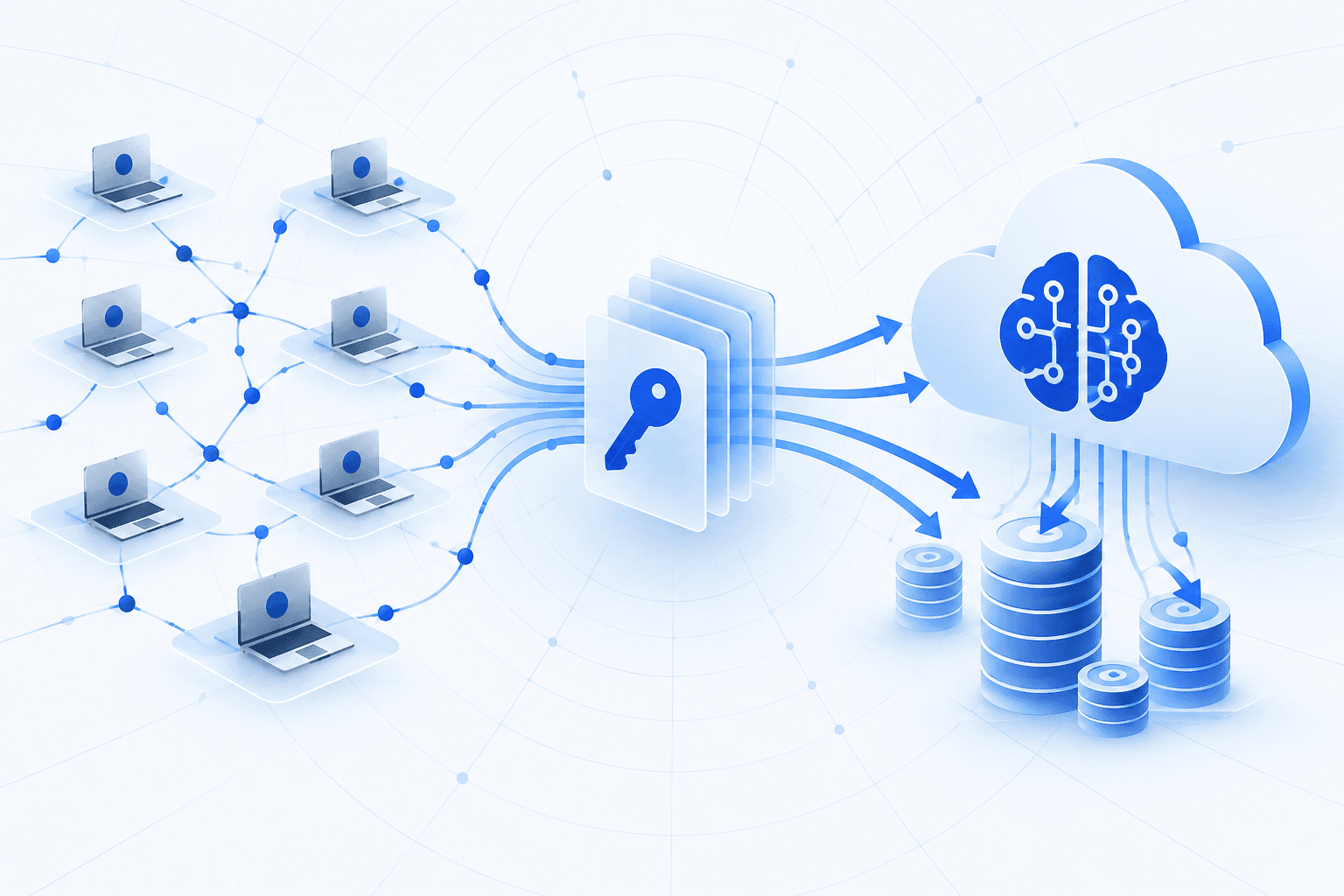
x47.c's "AI API drain" capability uses valid stolen or exposed API keys to send repeated billable requests directly to OpenAI, xAI, and compatible AI providers, exhausting a victim's credits while potentially leaving the victim-facing application functional. The activity represents a denial-of-wallet attack; organizations should revoke exposed AI keys, investigate anomalous usage and billing, enforce spending caps and limits on automatic top-ups, remediate infected endpoints, and maintain layered application- and network-level DDoS protections.
Why it matters
Impact assessment
x47.c presents a combined endpoint-compromise, credential-theft, DDoS, proxy-abuse, and AI cost-exhaustion risk to organizations operating Windows endpoints and paid AI APIs. Organizations using OpenAI, xAI, or compatible chat APIs are exposed to denial-of-wallet attacks if valid API keys are stolen or otherwise exposed; direct provider requests can accumulate charges or exhaust credits without disrupting the associated public application.
- Most affected: organizations with Windows fleets, AI-enabled chatbots, content-management systems, trading bots, or other applications using paid AI APIs.
- Financial impact: unauthorized inference consumption, depleted prepaid balances, and potentially unbounded charges where automatic top-ups are enabled. A separate Gemini-key abuse incident caused more than $82,000 in charges in two days, but no losses have been attributed to x47.c.
- Operational impact: infected devices can be used for DDoS, SOCKS5 relaying, credential theft, and remote operator-directed software deployment or removal; this can create service disruption, account compromise, network-abuse complaints, and incident-response costs.
- Scope and confidence: x47.c is an advertised tool sold by WraithTools, not a confirmed widespread campaign. Researchers did not establish initial access, victim count, infection volume, attack throughput, verified victims, or exploitation in the wild.
- Direct API abuse bypasses protections applied only to the victim-facing website, because requests are made to the AI provider using the compromised key.