Mallory
← Back to News
cryptocurrency-platform-riskfinancial-sector-threatinitial-access-methodthird-party-vendor-breach

North Korean Crypto Theft Campaigns Target Developers and Wallet Infrastructure

Emerging Technology Risk · 2 sources · Updated 29d ago · First seen Oct 30, 2026
North Korean Crypto Theft Campaigns Target Developers and Wallet Infrastructure

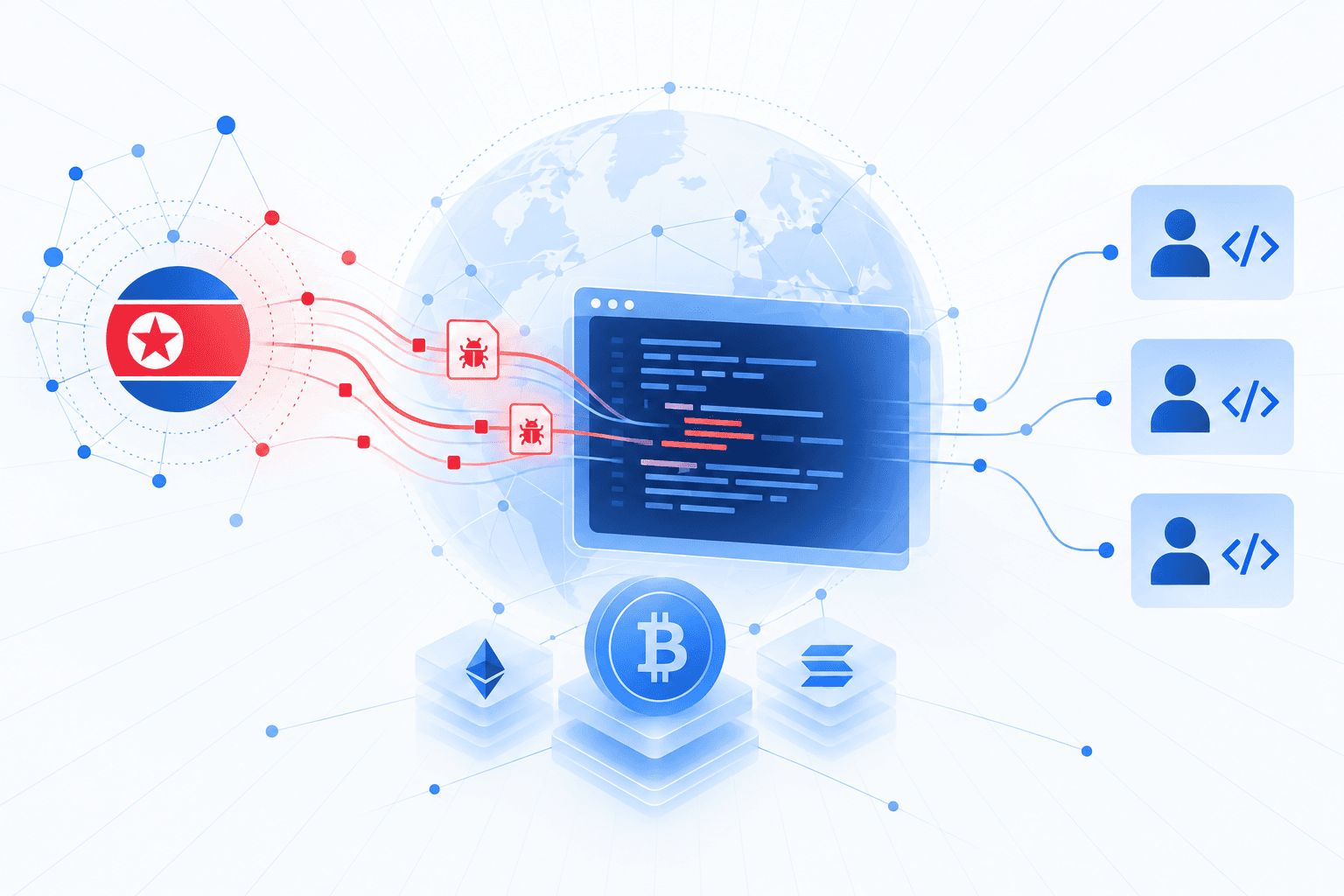
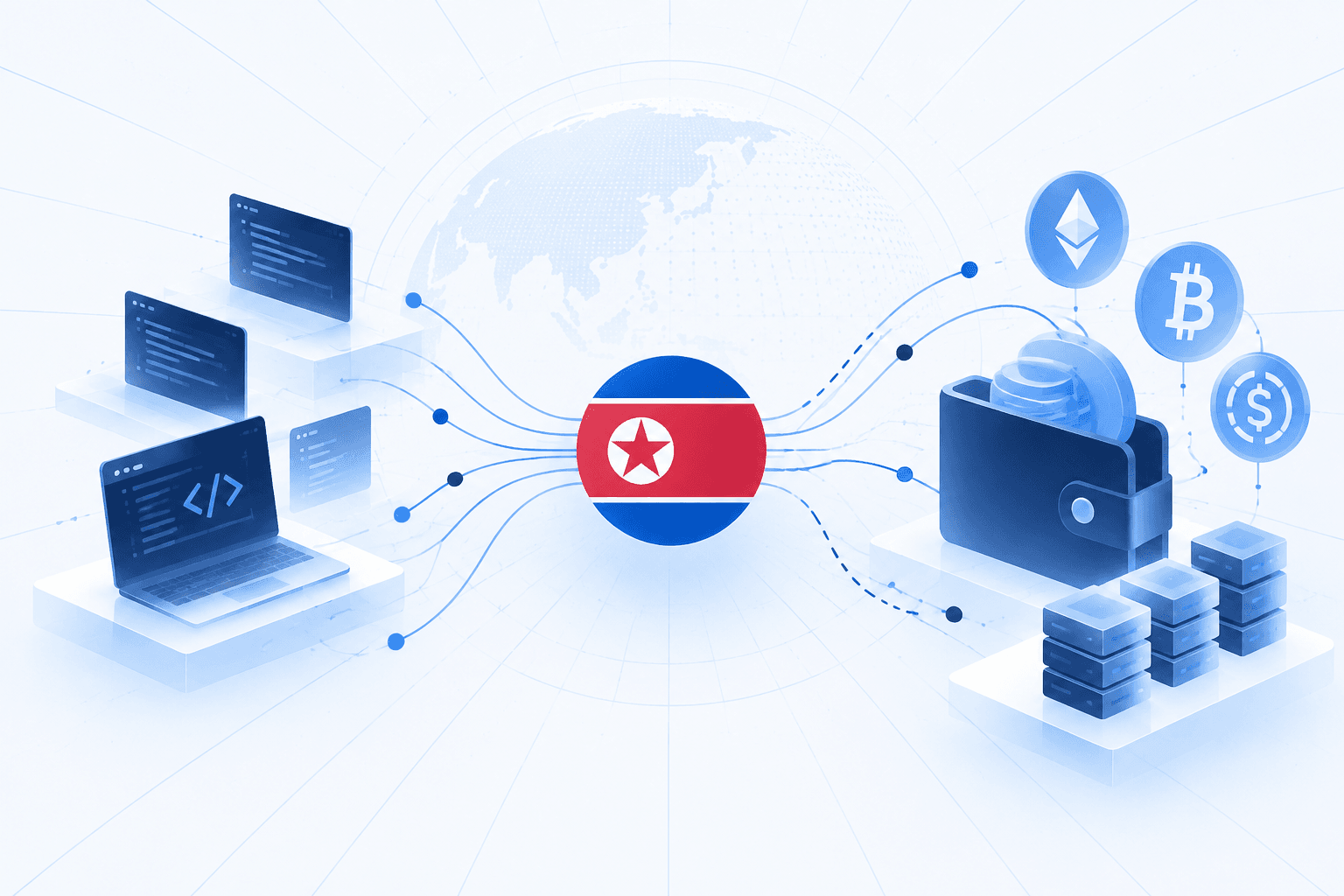
North Korean operators are using fake projects, recruitment fronts and attacker-controlled internet infrastructure to compromise developers and enable cryptocurrency theft, according to Silent Push. In the February 2025 Bybit theft, a Safe{Wallet} engineer ran a fake stock-trading project, enabling attackers to compromise developer credentials and manipulate the wallet interface used by Bybit’s signers. Bybit’s preliminary forensic review attributed the attack to Lazarus Group and said the compromised Safe environment deceived signers into approving a malicious transaction. Independent investigators Verichains and Sygnia Labs found no indications that Bybit’s own infrastructure had been compromised; the exchange moved most funds out of its Safe-administered addresses on the day of the incident.

Silent Push identified a domain associated with a North Korean operator persona registered hours before the Bybit theft and separately exposed three front companies delivering malware through fake job interviews. As of October 30, it reported 206 Binance-named domains in its threat feeds, at least 64 of which returned live pages that week. The report also cited Binance linking a theft to a compromised DevOps engineer’s laptop, but did not establish North Korean responsibility for that incident. The findings underscore the need to isolate untrusted recruitment projects, protect developer credentials, monitor impersonation infrastructure and verify transaction details independently of wallet interfaces.

Why it matters

North Korean operators are targeting cryptocurrency developers, DevOps engineers, and wallet infrastructure through fake projects and recruitment fronts to enable asset theft. The February 2025 Bybit incident demonstrates that compromising a wallet provider can deceive transaction signers without compromising the exchange’s own infrastructure, exposing organizations to direct financial loss and loss of trust in custody workflows.

  • Confirmed incident: Bybit’s preliminary forensic review attributed the attack to Lazarus Group. Verichains and Sygnia Labs found no indications that Bybit’s infrastructure had been compromised.
  • Exposure scope: Targeted developer compromises are supported by broader impersonation infrastructure. Silent Push reported 206 Binance-named domains, with at least 64 serving live pages during the reporting week; this does not establish that every domain participated in a theft.
  • Attribution boundary: Silent Push cited a Binance theft linked to a compromised DevOps laptop but did not establish North Korean responsibility for that incident.
  • Operational stakes: A compromised wallet interface can undermine multi-signer approval processes when signers rely on the same manipulated transaction display. Bybit moved most funds out of its Safe-administered addresses on the incident date.

New surface, new adversariesTrack how attackers are adapting to this technology.
Track this risk
Event timeline

How this story unfolded

Events from the most recent confirmed update back to the earliest known activity.

10 events · Feb 2025 – Oct 30, 2026
  1. Reported Oct 30, 202629d ago

    Binance links a cryptocurrency theft to a compromised DevOps laptop

    Binance linked a cryptocurrency theft to a compromised DevOps engineer's laptop. The source did not explicitly establish North Korean responsibility for that incident.

    North Korea’s Crypto Heists Start on the Open Internet
  2. Reported Oct 30, 202629d ago

    Silent Push links a Bybit-themed domain to a North Korean operator persona

    After the Bybit theft, Silent Push linked bybit-assessment[.]com to a known North Korean operator persona. The domain had been registered hours before the theft.

    North Korea’s Crypto Heists Start on the Open Internet
  3. Reported Oct 30, 202629d ago

    Attackers compromise a Safe{Wallet} engineer through a fake trading project

    North Korean operators tricked a Safe{Wallet} engineer into running a fake stock-trading project that contacted getstockprice[.]com. The compromise provided the foothold used approximately two weeks later in the Bybit attack.

    North Korea’s Crypto Heists Start on the Open Internet
  4. Oct 30, 202630d ago

    Silent Push reports 206 high-risk Binance-named domains

    As of October 30, Silent Push reported 206 Binance-named domains in its Indicators of Future Attack feeds, all assigned its maximum risk score of 100. At least 64 returned live pages during web scans that week.

    North Korea’s Crypto Heists Start on the Open Internet
  5. Apr 2025

    FBI seizes the BlockNovas domain

    The FBI seized the BlockNovas domain during the same week as Silent Push's April 2025 investigation exposing the front companies.

    North Korea’s Crypto Heists Start on the Open Internet
  6. Apr 2025

    Silent Push exposes three front companies delivering malware through fake interviews

    Silent Push exposed US-registered BlockNovas, Angeloper Agency, and SoftGlide as front companies used by North Korean operators. The companies delivered malware to cryptocurrency developers through fake job interviews.

    North Korea’s Crypto Heists Start on the Open Internet
  7. Feb 26, 20252y ago

    Bybit announces forensic findings identifying a Safe developer compromise

    Bybit announced that its preliminary forensic review found compromised Safe developer credentials enabled unauthorized access to Safe{Wallet}'s infrastructure. Independent investigators Verichains and Sygnia Labs found no indication that Bybit's own infrastructure had been compromised.

    Bybit Confirms Security Integrity Amid Safe{Wallet} Incident - No Compromise in Infrastructure | Bybit Press
  8. Feb 2025

    Bybit moves most funds out of its Safe Wallet-administered addresses

    Bybit moved the majority of funds out of its Safe Wallet-administered addresses on the day of the theft.

    Bybit Confirms Security Integrity Amid Safe{Wallet} Incident - No Compromise in Infrastructure | Bybit Press
  9. Feb 2025

    Attackers manipulate Safe{Wallet}'s interface to steal cryptocurrency from Bybit

    Attackers used the compromised Safe{Wallet} developer access to plant code in the wallet interface used by Bybit's signers, deceiving them into approving a malicious transaction. Bybit's subsequent forensic update attributed the targeted attack to the Lazarus Group.

    North Korea’s Crypto Heists Start on the Open Internet
  10. Feb 2025

    Operators register bybit-assessment[.]com hours before the Bybit theft

    Operators registered bybit-assessment[.]com hours before the February 2025 Bybit theft. Silent Push subsequently linked the domain to a known North Korean operator persona.

    North Korea’s Crypto Heists Start on the Open Internet
Linked entities

Related entities

Vulnerabilities, threat actors, malware, products, organizations, breaches, and observables Mallory has linked to this story. Indicator values are masked here and available in full in the app.

Open in app →

Organizations

3 linked
BinanceByBitSafe

Breaches

3 linked
BYBIT-2025-02SAFEWALLET-2025-02BINANCE-2026-10

Observables

2 linked

Indicator values are masked on this page. See the values in Mallory Domains, IPs, hashes, and URLs are exportable to your SIEM.

Do you run this?Follow how adversaries are adapting to this technology, and where it touches your stack today.
Track This Risk
Mallory platform

See the full picture, correlated to your attack surface.

This page covers what’s public. Mallory adds the parts that aren’t: which of your assets are affected, which threat actors are using it right now, and what to deploy next.

Exposure mappingMap indicators from this story to your assets and identify affected systems in minutes.
Threat actor evidenceEvery observed campaign, victim, and pivot linked to actors named in this story.
Associated malwareMalware, exploits, and IOCs connected to the activity described here.
Detection signaturesYARA, Sigma, and Snort rules deployed to your SIEM as soon as they’re published.
Scheduled alertsGet matching new stories delivered to your team as they break, not the next morning.
AI threadsAsk questions about this story and take action on the answers.