Mallory
← Back to News
cryptocurrency-platform-riskfinancial-sector-threatphishing-campaign-intelligenceinitial-access-method

North Korean Crypto Theft Campaigns Target Engineers With Fake Projects and Job Interviews

Emerging Technology Risk · 1 source · Updated 29d ago · First seen Oct 30, 2026

North Korean Crypto Theft Campaigns Target Engineers With Fake Projects and Job Interviews

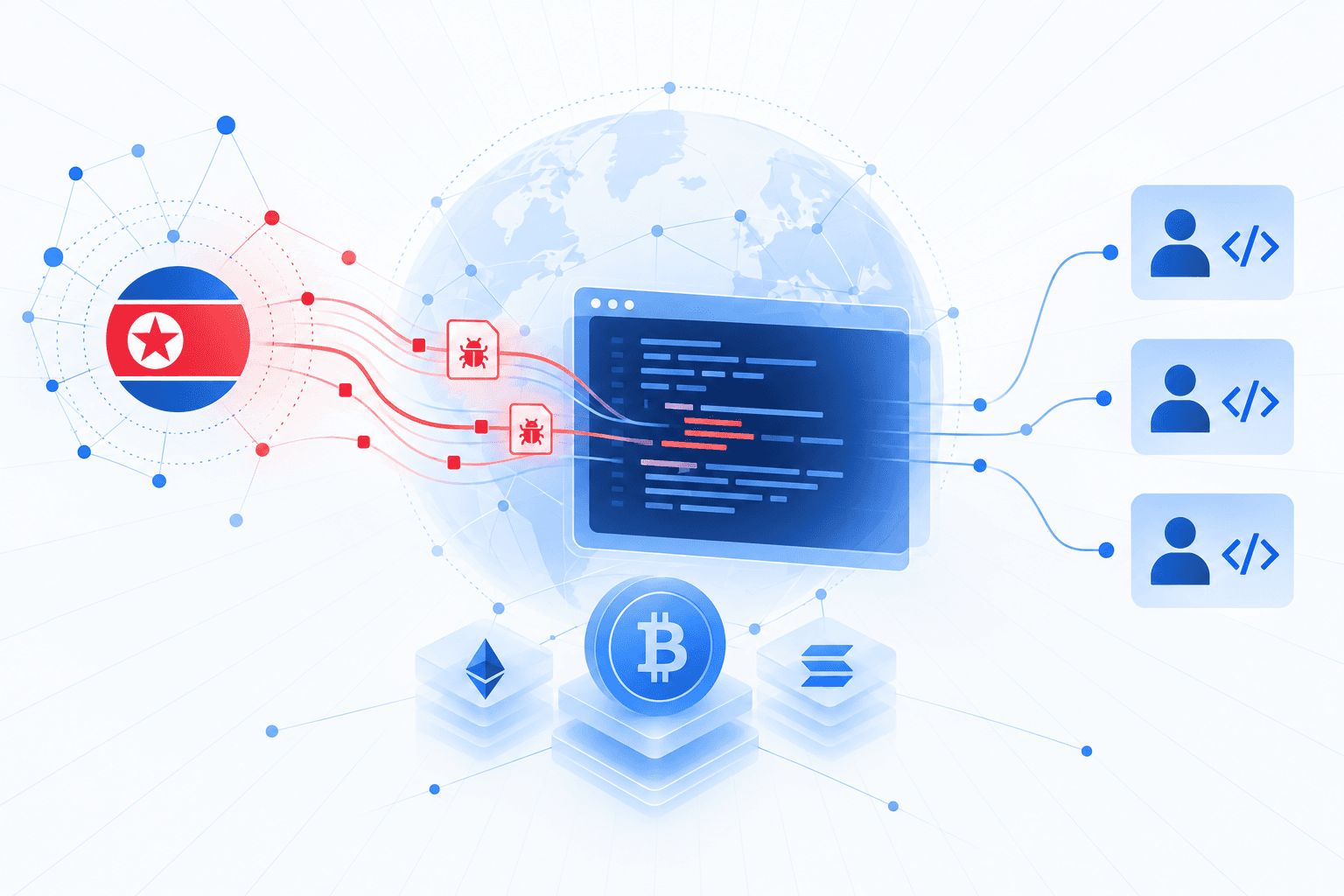
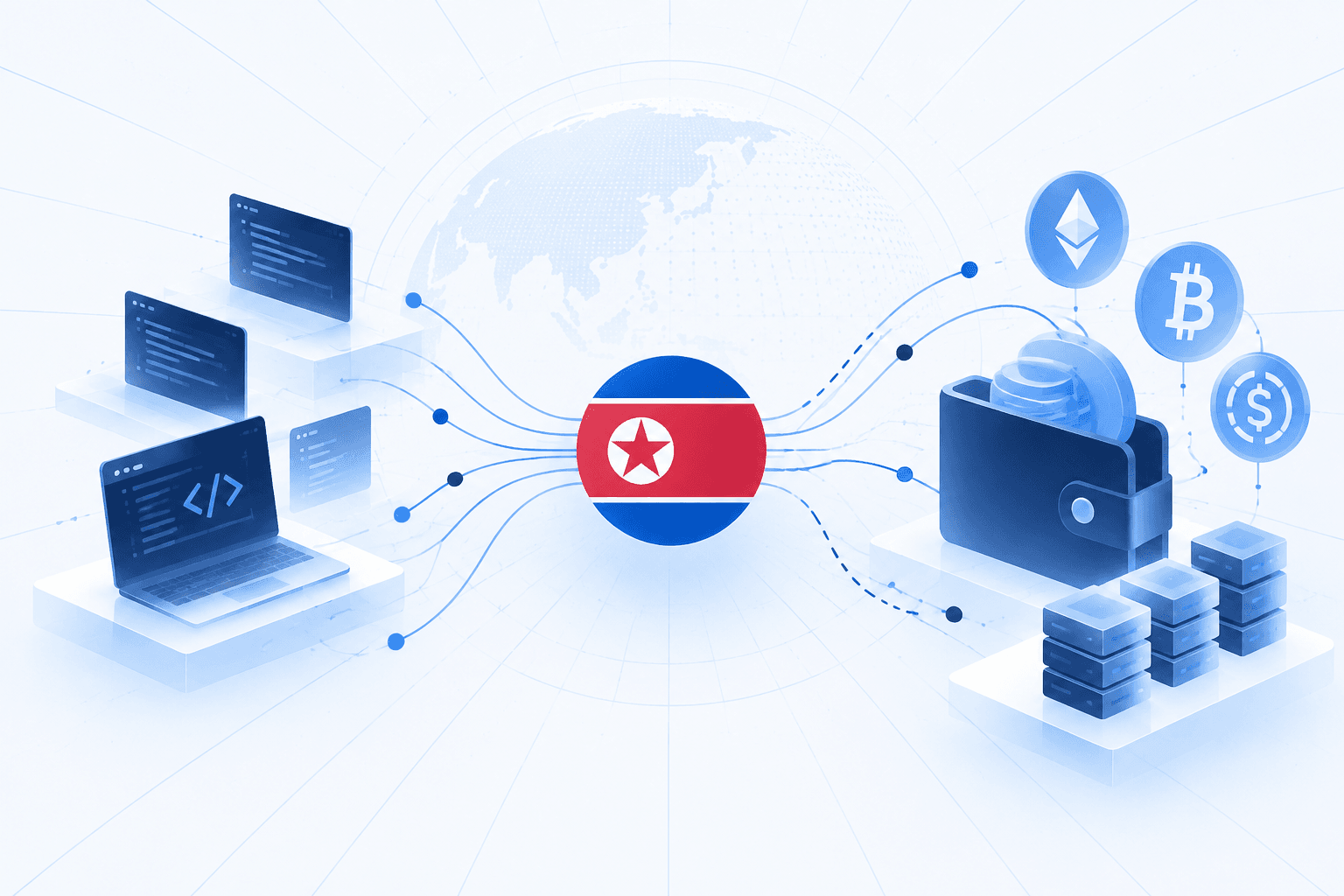
North Korean cryptocurrency theft operations are targeting developers and engineers with online lures to gain access to trusted systems. In the February 2025 Bybit theft, operators reportedly compromised a Safe{Wallet} engineer through a fake stock-trading project, then manipulated the wallet interface used by Bybit’s signers. Silent Push linked a domain registered hours before the theft to a known North Korean operator persona and separately identified three front companies delivering malware through fake job interviews.

The report also says Binance attributed a theft to a compromised DevOps laptop, while Silent Push identified 206 Binance-named domains as potential attack infrastructure—not confirmed malicious assets. The findings highlight developer endpoints and wallet-signing workflows as critical exposure points. Cryptocurrency firms should strengthen vetting of recruitment and project invitations, isolate untrusted development tasks, and independently verify transaction details rather than relying solely on wallet interfaces.

Why it matters

North Korean cryptocurrency theft operations target developers and DevOps engineers through fake projects and job interviews, then use compromised trusted systems to reach cryptocurrency assets. The reported February 2025 Bybit theft demonstrates exploitation in the wild: a compromised Safe{Wallet} engineer enabled manipulation of the wallet interface used by Bybit’s signers, exposing signing workflows to fraudulent transactions.

  • Affected organizations: Cryptocurrency exchanges, wallet providers, and development teams with access to production infrastructure or transaction-signing systems.
  • Business impact: Direct asset theft, incident-response costs, operational disruption, and loss of customer trust. The supplied reference does not quantify financial losses.
  • Scope: Targeted social engineering with downstream exposure through trusted software and personnel; the report does not establish widespread compromise.
  • Additional incident: Binance reportedly attributed a cryptocurrency theft to a compromised DevOps engineer’s laptop. The supplied account does not establish that this incident used the same infrastructure or intrusion chain as Bybit.
New surface, new adversariesTrack how attackers are adapting to this technology.
Track this risk
Event timeline

How this story unfolded

Events from the most recent confirmed update back to the earliest known activity.

7 events · Feb 2025 – Oct 30, 2026
  1. Reported Oct 30, 202629d ago

    Binance attributes a cryptocurrency theft to a compromised DevOps laptop

    Binance attributed a cryptocurrency theft to the compromise of a DevOps engineer’s laptop. The reference does not specify when the compromise, theft, or attribution occurred.

    North Korea’s Crypto Heists Start on the Open Internet - Malware News - Malware Analysis, News and Indicators
  2. Reported Oct 30, 202629d ago

    Silent Push links a Bybit-themed domain to a North Korean operator persona

    After the Bybit theft, Silent Push linked bybit-assessment[.]com to a known North Korean operator persona. The domain had been registered hours before the theft.

    North Korea’s Crypto Heists Start on the Open Internet - Malware News - Malware Analysis, News and Indicators
  3. Reported Oct 30, 202629d ago

    North Korean operators compromise a Safe{Wallet} engineer

    Operators tricked a Safe{Wallet} engineer into running a fake stock-trading project that contacted getstockprice[.]com. According to the article’s account of Sygnia’s investigation, this compromise provided the initial foothold for the Bybit theft.

    North Korea’s Crypto Heists Start on the Open Internet - Malware News - Malware Analysis, News and Indicators
  4. Oct 30, 202630d ago

    Silent Push reports 206 high-risk Binance-named domains

    As of October 30, Silent Push reported 206 Binance-named domains in its Indicators of Future Attack feeds, all assigned its maximum risk score of 100. At least 64 returned live pages during web scans that reporting week.

    North Korea’s Crypto Heists Start on the Open Internet - Malware News - Malware Analysis, News and Indicators
  5. Apr 2025

    FBI seizes the BlockNovas domain

    The FBI seized the BlockNovas domain during the same week as Silent Push’s April 2025 investigation into the North Korean front companies.

    North Korea’s Crypto Heists Start on the Open Internet - Malware News - Malware Analysis, News and Indicators
  6. Apr 2025

    Silent Push identifies three North Korean front companies

    Silent Push identified BlockNovas, Angeloper Agency, and SoftGlide as US-registered front companies used by North Korean operators. The companies delivered malware to cryptocurrency developers through fake job interviews.

    North Korea’s Crypto Heists Start on the Open Internet - Malware News - Malware Analysis, News and Indicators
  7. Feb 2025

    Attackers manipulate Safe{Wallet}'s interface in the Bybit cryptocurrency theft

    Approximately two weeks after compromising the engineer, operators used their foothold to plant code in the wallet interface used by Bybit’s signers. The interface manipulation enabled the February 2025 Bybit theft.

    North Korea’s Crypto Heists Start on the Open Internet - Malware News - Malware Analysis, News and Indicators
Linked entities

Related entities

Vulnerabilities, threat actors, malware, products, organizations, breaches, and observables Mallory has linked to this story. Indicator values are masked here and available in full in the app.

Open in app →

Organizations

3 linked
BinanceByBitSafe

Breaches

2 linked
BYBIT-2025-02BINANCE-2026-10

Observables

2 linked

Indicator values are masked on this page. See the values in Mallory Domains, IPs, hashes, and URLs are exportable to your SIEM.

Do you run this?Follow how adversaries are adapting to this technology, and where it touches your stack today.
Track This Risk
Mallory platform

See the full picture, correlated to your attack surface.

This page covers what’s public. Mallory adds the parts that aren’t: which of your assets are affected, which threat actors are using it right now, and what to deploy next.

Exposure mappingMap indicators from this story to your assets and identify affected systems in minutes.
Threat actor evidenceEvery observed campaign, victim, and pivot linked to actors named in this story.
Associated malwareMalware, exploits, and IOCs connected to the activity described here.
Detection signaturesYARA, Sigma, and Snort rules deployed to your SIEM as soon as they’re published.
Scheduled alertsGet matching new stories delivered to your team as they break, not the next morning.
AI threadsAsk questions about this story and take action on the answers.