Ofcom Proposes Four Age-Check Methods for UK's Planned Under-16 Social Media Ban
Regulatory & Policy · 6 sources · Updated 26d ago · First seen Oct 29, 2026
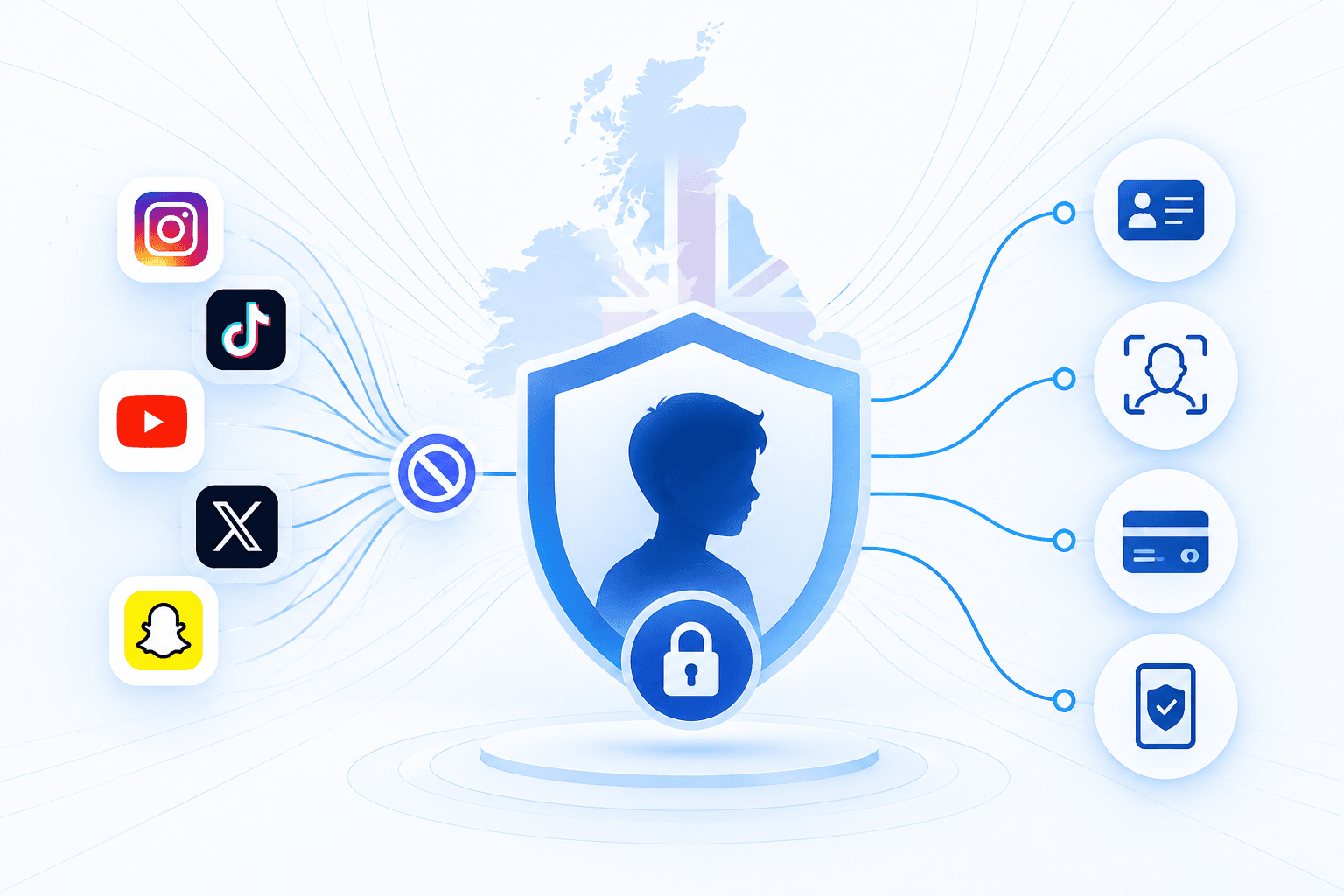
UK communications regulator Ofcom has proposed four age-assurance methods for a planned social media ban for users under 16: photo-ID matching, banking checks, digital ID services, and facial age estimation. Many adults would also have to verify their age, although platforms could infer some users' ages from previous activity. The proposals would require affected platforms to implement effective age-verification systems, with Ofcom warning of enforcement action against companies that fail to comply.
Privacy campaign group Big Brother Watch warned that the measures could undermine online anonymity, increase disclosure of sensitive personal data to private technology companies, and exclude people without identification. Ofcom acknowledged limitations including facial-estimation errors, teenagers lacking identity documents, and inevitable attempts to bypass checks. It plans to monitor circumvention during the first 12 months of enforcement, while the government intends to draw lessons from Australia's experience.
Why it matters
The proposed UK under-16 social media ban would require covered platforms to implement effective age assurance, affecting children and many adult users; implementation is expected in 2027, with regulations and guidance still pending. Identity-document and facial-image processing creates privacy, identity-theft and third-party breach exposure, while inaccurate estimates and missing identification can block legitimate users. No exploitation of the proposed system is reported; the cited Discord supplier breach is a historical example of identity-data exposure, not an incident caused by this proposal.
- Industry-specific impact: Communication Services is specifically affected because social media platforms would need to implement age checks and face Ofcom enforcement for noncompliance. This is a platform-specific regulatory obligation, not generic technology exposure. Ofcom
- Geography-specific impact: The United Kingdom is specifically affected: the proposal governs access to covered social media services by UK users. Ofcom expects many adults to need verification and cites an estimate that approximately 150,000 UK 16- and 17-year-olds lack a passport or driving licence; that estimate comes from a non-representative survey. Australia is a policy comparison, not an additional jurisdiction affected by this UK proposal. Ofcom