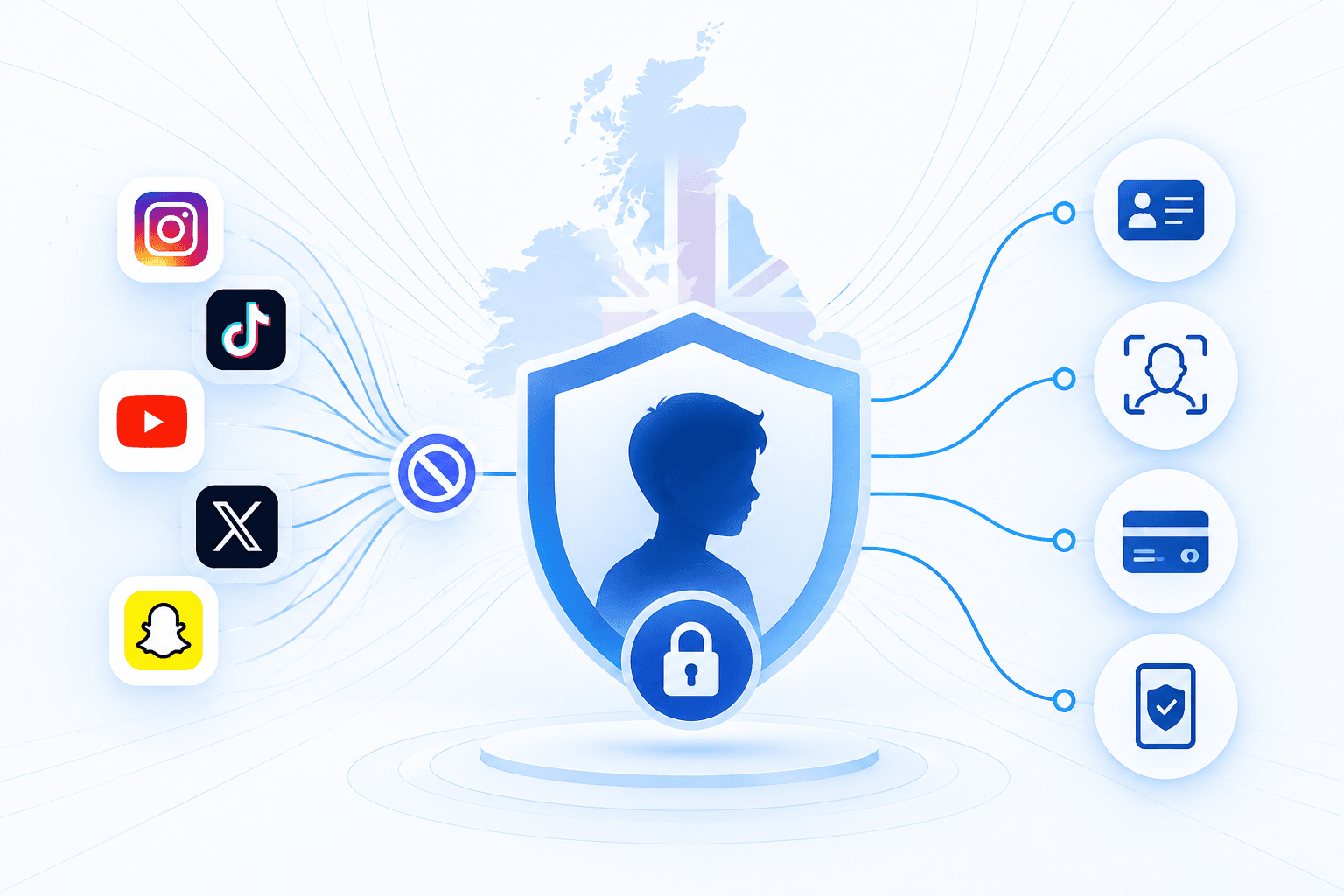
Government Pushes for Age Verification and Content Controls on Digital Platforms
Regulatory & Policy · 2 sources · Updated 5mo ago · First seen Dec 18, 2025

The UK government is urging major technology companies such as Apple and Google to implement nudity-blocking systems on mobile devices, aiming to protect minors by requiring adult users to verify their age before accessing or sharing explicit images. This initiative, which currently stops short of a legal mandate, would leverage nudity-detection algorithms at the operating system level and could be expanded to desktop platforms in the future. The proposed measures would also require child sex offenders to keep such blockers enabled, reflecting a broader governmental effort to enforce age-appropriate content controls across digital ecosystems.
Simultaneously, experts are raising concerns about the effectiveness of current age verification technologies, particularly those relying on consumer-grade cameras and AI-powered facial recognition. Research highlights that these systems may provide a false sense of security, as they are susceptible to spoofing and may not reliably authenticate minors. The debate underscores the technical and policy challenges in balancing child safety, privacy, and the practical limitations of available authentication methods on popular platforms like Roblox and other social media or gaming services.
Why it matters
Summary
This story describes a policy and platform-control debate, not an active cyber incident. The primary security impact is exposure to weak age-verification implementations that can be bypassed, creating compliance, privacy, and trust risk for consumer platforms, mobile ecosystems, and online services serving minors.
Supporting details
Who is affected
- Consumer technology platforms implementing age verification or content controls, including Apple, Google, Roblox, social media platforms, gaming services, and adult-content platforms.
- Organizations operating in the UK or other jurisdictions adopting similar child-safety controls.
- End users subject to biometric or ID-based age checks, especially minors and privacy-sensitive adult users.
Severity and business impact
- Immediate impact is moderate and primarily regulatory, privacy, and reputational rather than destructive.
- Weak camera-based biometric checks can be spoofed, undermining child-safety controls and exposing platforms to compliance failure, legal scrutiny, and loss of user trust.
- OS-level nudity detection and age gating could increase data-handling, privacy, and governance burdens for device vendors and app ecosystems.
Scope and exposure
- Scope is potentially widespread because the discussion targets major mobile operating systems and large consumer platforms.
- Exposure is systemic where age verification relies on consumer-grade cameras, facial estimation, or weak liveness checks.
- No confirmed malicious campaign or exploitation-in-the-wild incidents are cited; the reporting focuses on inherent bypass risk and policy direction.