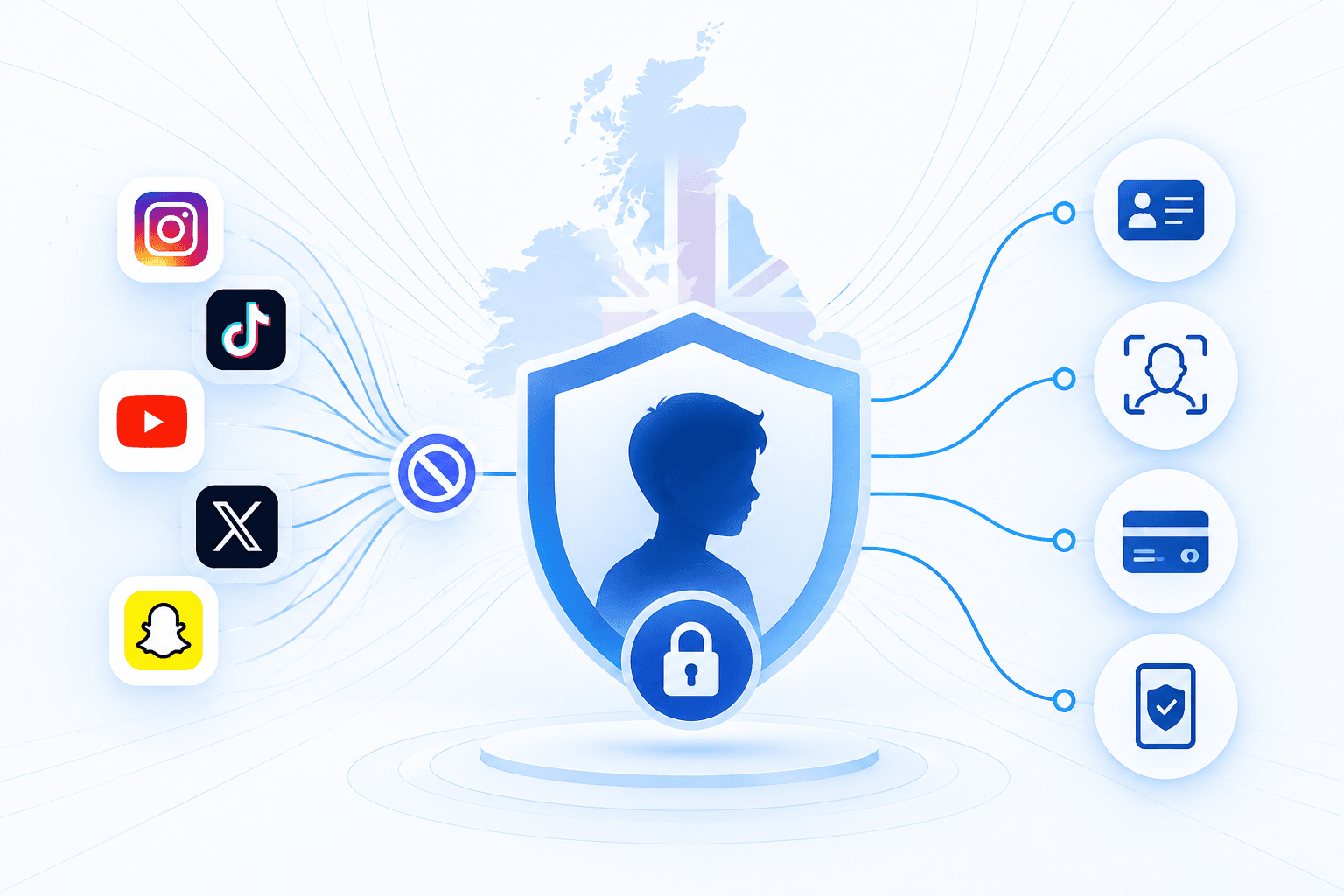
UK Considers Social Media Ban and Stronger Age Assurance for Children
Regulatory & Policy · 3 sources · Updated 5mo ago · First seen Jan 20, 2026
The UK government said it is considering restricting or banning social media access for children, with Prime Minister Keir Starmer stating that “no option is off the table.” Reported options include improving age assurance technology, raising the digital age of consent, imposing phone curfews, and limiting platform design practices associated with compulsive use (including “infinite scrolling”), alongside publishing evidence-based screen-time guidance for parents and tightening school enforcement around phone use.
In Parliament, momentum is being driven in part by a proposed amendment to the Children’s Wellbeing and Schools Bill that would require regulated user-to-user services to deploy “highly-effective” age assurance measures to prevent under-16s from becoming users, and would also task the UK’s chief medical officers with publishing age-based advice on children’s social media use. UK officials also indicated they plan to engage with Australia to learn from its under-16 social media restrictions, which Australian authorities said led to millions of account deactivations shortly after implementation.
Why it matters
Impact assessment
This is a public policy and regulatory development, not a cyber incident or vulnerability disclosure. The primary affected parties are social media platforms, messaging and user-to-user services, schools, parents, and UK-based child users under 16 who may face stricter age assurance, access restrictions, and enforcement requirements.
Operational impact is potentially significant for platforms that serve UK users because compliance could require new identity, age-verification, product-design, and moderation controls. Scope is broad within the UK consumer internet ecosystem, but there are no reported cyber intrusions, exploitation-in-the-wild events, or direct enterprise security impacts in the referenced reporting.
Supporting facts
- UK Parliament's House of Lords passed an amendment to the Children's Wellbeing and Schools Bill by 261 to 150.
- The amendment would require regulated user-to-user services to deploy highly effective age assurance to prevent under-16s from becoming users.
- The provision becomes law unless removed by the House of Commons when the bill returns to that chamber.
- The UK government is also considering a ban for children aged 15 and under, stronger age assurance, raising the digital age of consent, phone curfews, and restrictions on addictive platform design practices including infinite scrolling.
- Ofsted inspections are expected to support school phone-use enforcement.
- UK officials plan to study Australia's under-16 social media restrictions; Australia's eSafety Commissioner said about 4.7 million accounts were deactivated in the first week.
- No ransomware, data theft, service compromise, or destructive cyber activity is described.
- No known exploitation in the wild is reported because the story concerns legislation and platform governance measures rather than a technical flaw or threat campaign.