European Governments Move to Restrict Social Media Use by Minors
Regulatory & Policy · 4 sources · Updated 5mo ago · First seen Feb 6, 2026
The European Commission issued preliminary findings that TikTok’s product design—including infinite scroll, autoplay, push notifications, and personalized recommendations—may breach the EU Digital Services Act (DSA) by failing to adequately assess and mitigate risks to users’ physical and mental well-being, particularly for minors and vulnerable users. If confirmed, the Commission said the violations could result in penalties of up to 6% of TikTok’s global annual turnover, and it signaled expected design changes such as screen-time breaks, adjustments to recommendation systems, and disabling or reducing features deemed to drive compulsive use.
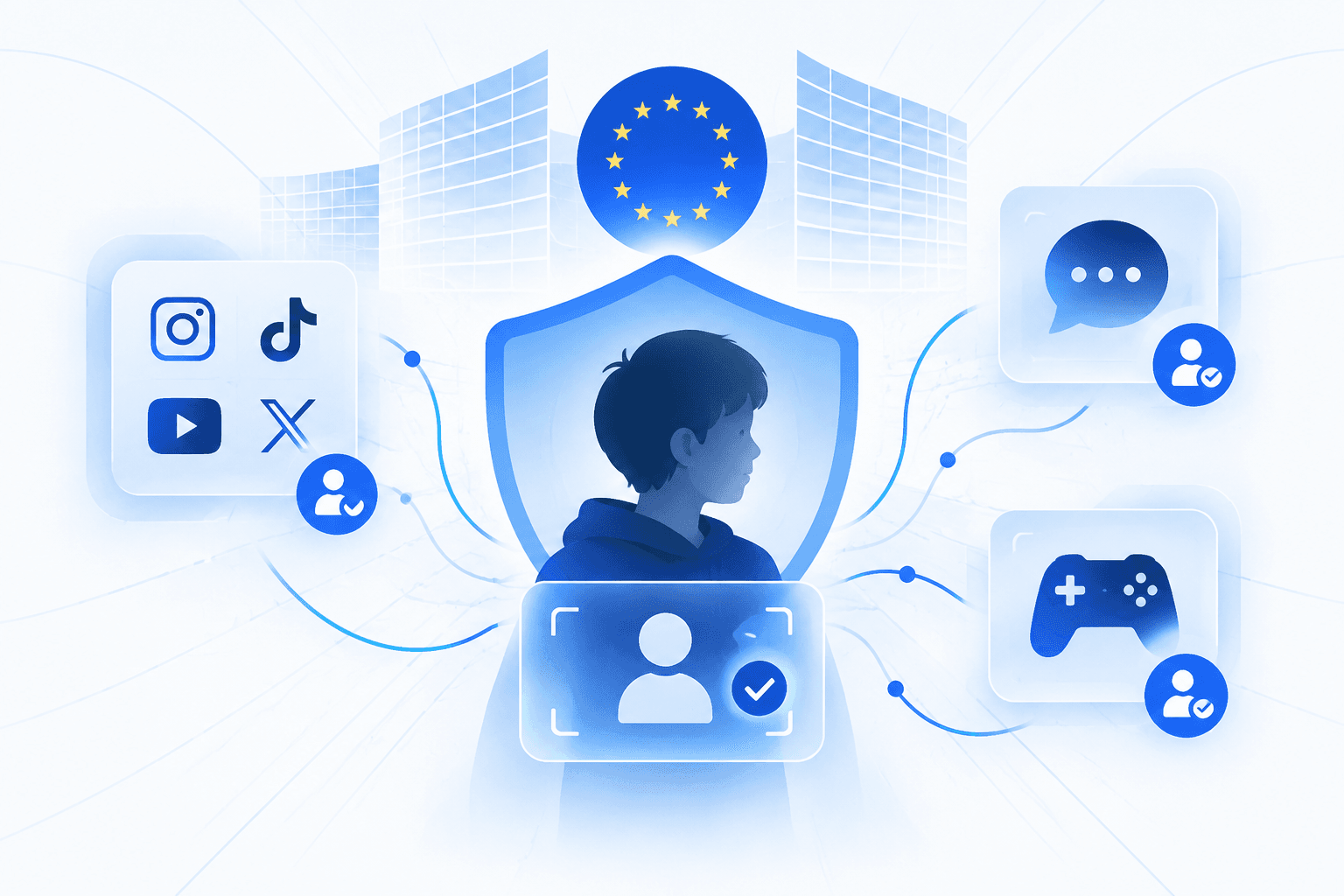
Separately, Spain announced plans to ban social media access for children under 16 and require age verification by platforms, aligning with a broader European trend toward statutory restrictions on minors’ social media use. The announcement follows similar initiatives across Europe, including Australia’s under-16 restriction (cited as precedent), the Netherlands’ push to bar under-15s, French legislation targeting under-14s, and the UK studying a ban for children 15 and under—indicating accelerating regulatory pressure on platforms to implement enforceable child-safety and access controls.
Why it matters
Impact assessment
This story is a regulatory and platform-governance development, not a software security incident. The directly affected entities are TikTok, other large social media platforms operating in Europe, and user populations subject to youth-access controls, especially minors and vulnerable users in the EU and Spain.
The impact is potentially significant in financial, operational, and reputational terms for platforms. TikTok faces possible EU penalties of up to 6% of global annual turnover if the Digital Services Act findings are confirmed, and platforms may need product redesigns, stronger age-verification controls, and changes to recommendation and engagement features across multiple European jurisdictions.
Supporting details
- Affected entities:
- TikTok
- Very large online platforms subject to the EU Digital Services Act
- Social media platforms operating in Spain, the Netherlands, France, the UK, and Australia
- Minors and vulnerable users as protected populations
- Impact type:
- Regulatory enforcement risk
- Product and engineering redesign requirements
- Compliance and legal exposure
- Reputational harm tied to child-safety and addictive-design allegations
- Scope:
- Broad policy and compliance relevance across Europe
- Not a targeted cyber intrusion or malware campaign
- Multi-country trend toward statutory age restrictions and age verification
- Known incidents/exploitation:
- No exploitation in the wild is described
- No breach, ransomware, or unauthorized access incident is reported
- Notable enforcement context:
- European Commission preliminary findings against TikTok under the DSA
- Possible fine up to 6% of TikTok’s global annual turnover
- Spain plans to ban social media access for children under 16 and require age verification
- Related scrutiny includes a French criminal investigation into TikTok over child mental-health safeguards and prior Irish DPC GDPR fines involving China data transfers and children’s privacy