Russia’s APT28 Targets Western Logistics and Technology Firms Supporting Ukraine
Active Exploitation · 4 sources · Updated 2mo ago · First seen May 27, 2025
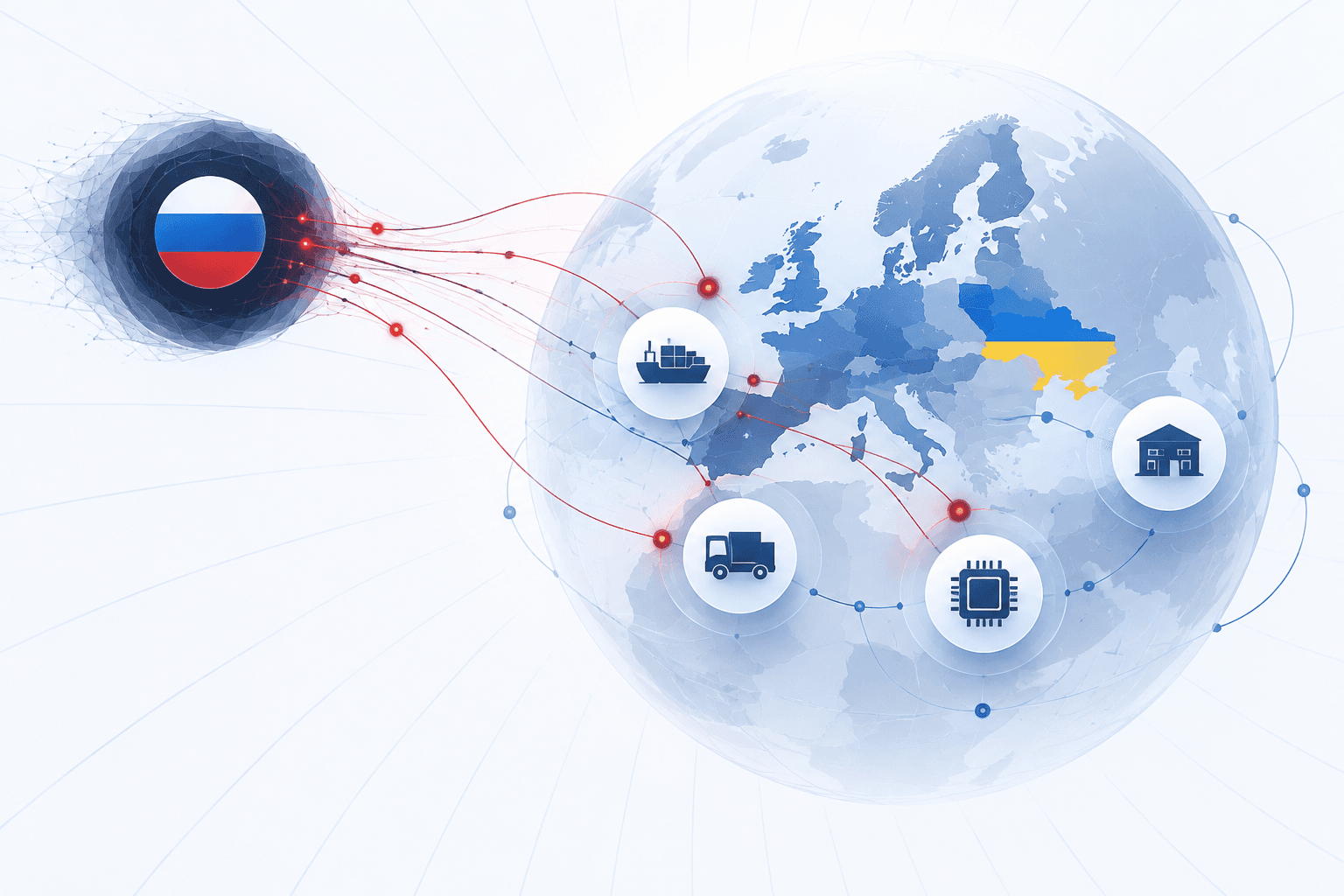
A joint advisory from CISA, NSA, FBI and allied agencies warns that Russia’s GRU Unit 26165, known as APT28, Fancy Bear and Forest Blizzard, has conducted cyberespionage against dozens of Western government and private-sector organizations supporting aid to Ukraine since 2022. Targets include air, sea and rail transportation providers, logistics companies and related technology services. Operators gain access through password spraying, credential-harvesting and malware-delivery spearphishing, and exploitation of internet-facing infrastructure, including VPNs. Reported exploited vulnerabilities include Outlook’s NTLM credential leak (CVE-2023-23397), several Roundcube flaws and WinRAR’s CVE-2023-38831. Follow-on reporting also identifies exploitation of CVE-2023-20273.
After compromise, operators steal credentials, conduct Active Directory reconnaissance, move laterally using Impacket, PsExec and RDP, and abuse Microsoft Exchange mailbox permissions for sustained email collection. They use legitimate utilities alongside malware such as HEADLACE and MASEPIE, clear event logs, and exfiltrate data through OpenSSH and email interfaces. The advisory links the campaign to targeting of more than 10,000 internet-connected cameras, concentrated in Ukraine and neighboring countries, to monitor aid movements; that figure represents targeted cameras, not confirmed compromises. Defenders should prioritize patching exposed services, strong authentication, privileged-access restrictions and segmentation, while hunting for abnormal mailbox permissions, credential theft, lateral movement and log clearing across endpoint, cloud and network telemetry. Persistent access could enable future disruption, but the reporting does not establish confirmed sabotage.
Why it matters
Summary
Russia’s GRU Unit 26165 conducted targeted cyberespionage against dozens of Western government, logistics, transportation, defense, and technology organizations supporting aid to Ukraine, with elevated targeting since 2022. Theft of shipment information, email, and directory credentials threatens operational confidentiality and partner networks; persistent access creates potential disruption risk, but the reporting does not establish sabotage.
- Affected operations: Air, sea, and rail transportation; ports and airports; air traffic management; defense supply chains; and supporting IT services.
- Geographic scope: CISA identifies targets across the United States, Ukraine, and multiple European countries, including Poland, Germany, France, Romania, and Moldova.
- Business exposure: Shipment schedules, manifests, routes, container identifiers, cargo contents, and sender/recipient information can reveal aid movements. Compromised business relationships provide avenues into additional transportation organizations.
- Observed activity: The advisory reports exploitation and post-compromise activity. Reconnaissance against a railway-management ICS component manufacturer did not establish successful compromise.
- Camera targeting: More than 10,000 internet-connected cameras appeared in a targeting dataset; 81% of targeting attempts focused on Ukraine. These figures describe targeting, not confirmed compromises.
- Reporting currency: The dated references were published in May 2025. They do not establish campaign developments as of October 2026.