Mallory
← Back to News
state-sponsored-espionageinitial-access-methodgovernment-diplomatic-threattelecommunications-sector-threat

State-Backed Intrusions Exploit RDP, VPN, SSH, and Supply Chains for Initial Access

Threat Actor Intelligence · 6 sources · Updated 5mo ago · First seen May 22, 2026
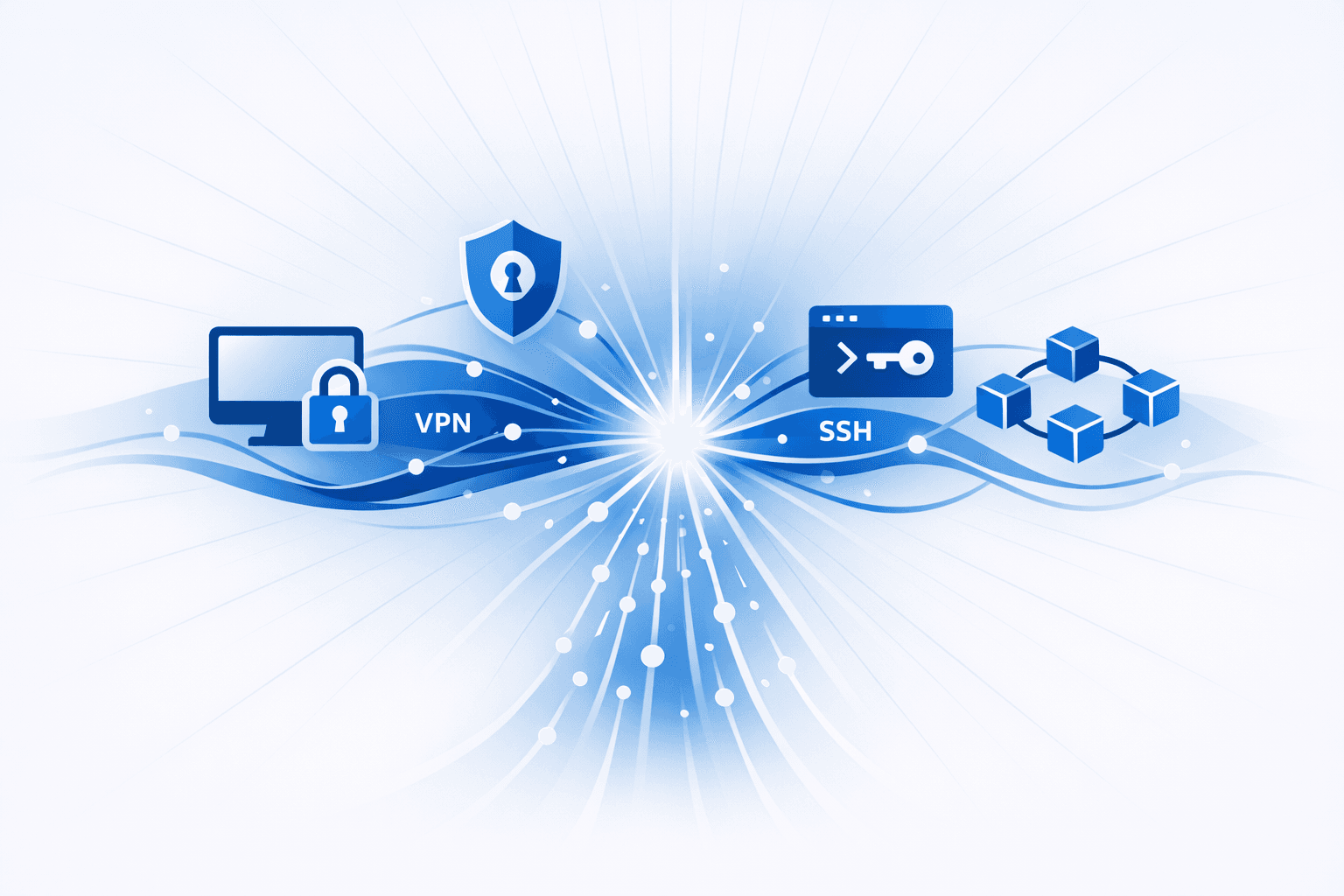
State-Backed Intrusions Exploit RDP, VPN, SSH, and Supply Chains for Initial Access

Russian and China-linked threat activity has relied on common but effective entry points to penetrate government, telecom, defense, energy, and other critical-sector networks. Ukrainian officials said CERT-UA recorded 5,927 cyber incidents in 2025, a 37.4% increase over the prior year, with Russian groups including UAC-0002 (Sandworm), UAC-0001 (APT28), UAC-0010 (Gamaredon), and UAC-0190 (Void Blizzard) using exposed RDP services, vulnerable VPN appliances, supply-chain compromise, phishing, and stolen credentials to gain access. Separately, telecom intrusions tied to the China-linked cluster UAT-9244 used exposed web applications, ProxyLogon, exposed SSH services, weak credentials, and unpatched server software to establish footholds in Linux-heavy environments.

Once inside, the actors deployed a broad toolset for espionage, persistence, and disruption, including RATs, stealers, ransomware, wipers, and Linux malware such as PeerTime, which supports multiple architectures and uses peer-to-peer, BitTorrent-like communications to avoid reliance on centralized command-and-control. The reporting highlights exploitation of products including Cisco ASA/AnyConnect, Roundcube, Fortinet, WinRAR, 7-Zip, and legacy Microsoft Office components, alongside social-engineering tactics such as ClickFix, device-code phishing, OAuth phishing, and QR-code hijacking. The campaigns also abused legitimate services and native system tools, while under-monitored embedded Linux devices, routers, edge systems, and container hosts were described as especially attractive for long-term persistence, lateral movement, scanning, and covert communications.

Why it matters

Impact assessment

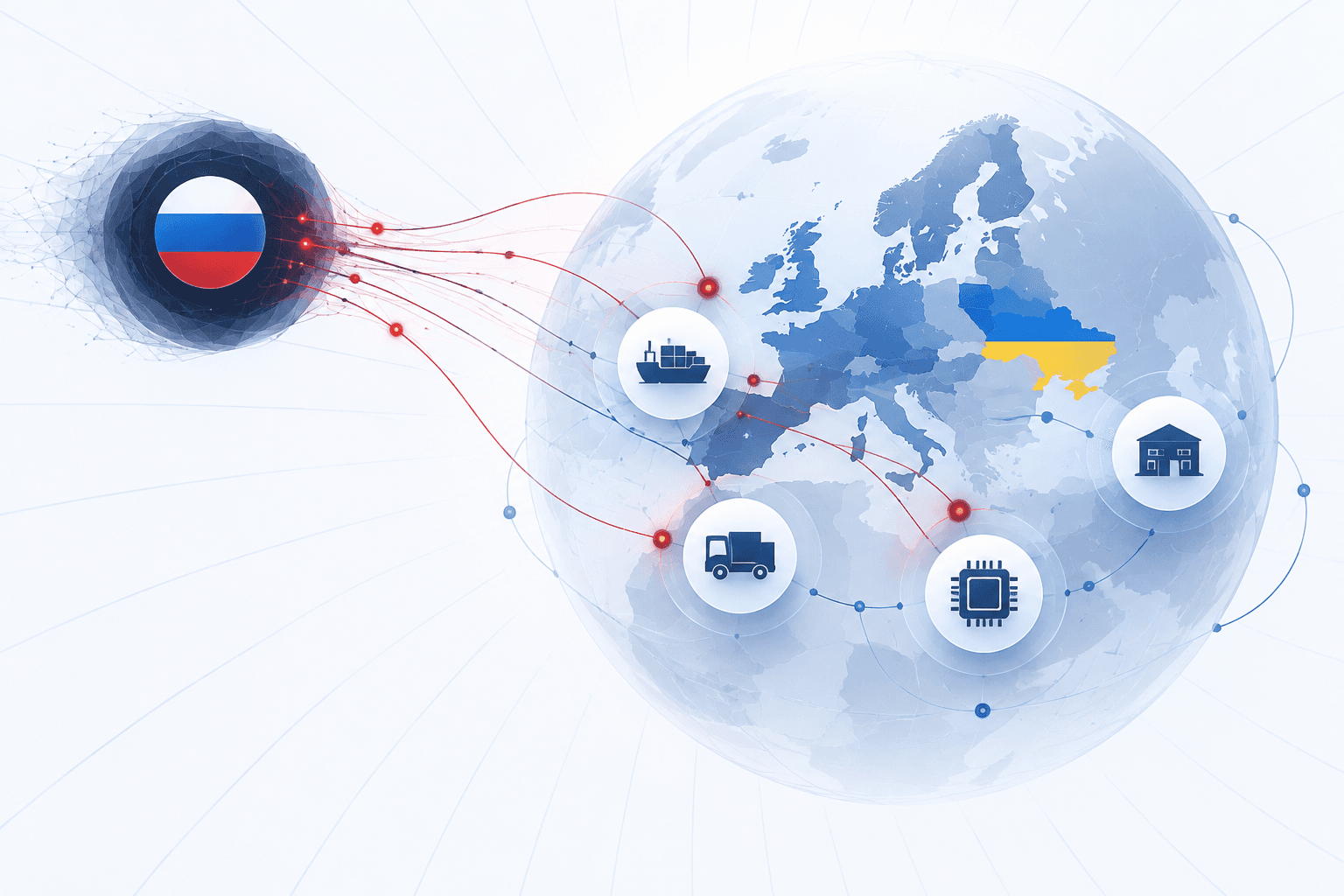
State-backed activity from Russian and China-linked clusters is affecting government, telecom, defense, energy, and other critical-sector organizations, with particular concentration on Ukraine and Europe and clear relevance to any enterprise exposing remote access, edge Linux, or internet-facing collaboration infrastructure. Impact ranges from espionage and credential theft to ransomware and destructive wiper deployment, creating material risk of operational disruption, data loss, reputational damage, and follow-on compromise through trusted suppliers or relays.

The scope is broader than a single targeted campaign: CERT-UA reported 5,927 incidents in 2025, up 37.4% year over year, and the tradecraft relies heavily on common enterprise weaknesses rather than rare zero-days. Exploitation in the wild is established across multiple access paths including exposed RDP, vulnerable VPNs, ProxyLogon, exposed SSH, phishing, and supply-chain compromise.

Supporting facts

  • CERT-UA recorded 5,927 cyber incidents in 2025, a 37.4% increase over 2024.
  • Named Russian-linked entities: UAC-0002 (Sandworm), UAC-0001 (APT28), UAC-0010 (Gamaredon), UAC-0190 (Void Blizzard), UAC-0238.
  • Named China-linked entity: UAT-9244.
  • Affected sectors called out: government, telecom, defense, energy, and other critical sectors.
  • Reported outcomes: long-term espionage, credential theft, data collection and exfiltration, ransomware deployment, and destructive wiper activity.
  • Telecom and Linux-heavy environments face elevated risk because embedded appliances, routers, edge systems, container hosts, and virtualized infrastructure are often under-monitored and can be repurposed as operational relay boxes.
  • Supply-chain compromise of software updates, third-party tools, and IT service providers expands exposure beyond directly targeted victims.
Know this adversaryTTPs, infrastructure, and targeting history in one profile.
Get the profile
Event timeline

How this story unfolded

Events from the most recent confirmed update back to the earliest known activity.

8 events · Mar 15, 2018 – May 22, 2026
  1. May 22, 20266mo ago

    PeerTime Linux malware identified in telecom-linked intrusion activity

    A Linux malware payload called PeerTime was highlighted as supporting multiple architectures including ARM, AArch64, MIPS, PowerPC, and x86, suggesting targeting of embedded appliances, routers, and virtualized infrastructure. The malware reportedly uses peer-to-peer and BitTorrent-like traffic patterns and checks for Docker before execution, indicating an effort to persist in modern enterprise and telecom environments.

  2. May 22, 20266mo ago

    Telecom intrusions tied to UAT-9244 use exposed services and weak credentials

    Recent telecom-focused intrusions associated with the China-linked cluster UAT-9244 were reported as using exposed web applications, ProxyLogon exploitation, exposed SSH services, weak credentials, and unpatched server-side software for access. The operations emphasized persistence and infrastructure abuse rather than novel exploitation.

  3. Apr 1, 20268mo ago

    CERT-UA reports H2 2025 decline in incidents but more advanced tradecraft

    CERT-UA published a report on the second half of 2025 stating that the number of cyber incidents had decreased, while attackers increasingly relied on more sophisticated social engineering and more standardized toolkits. The report added an official Ukrainian assessment of changing threat quality during late 2025 rather than only overall annual volume.

    CERT-UA Reports Drop in Cyber Incidents but Warns of Advanced Social Engineering and Standardised Hacker Toolkits in H2 2025
  4. Feb 10, 202610mo ago

    Mandiant publishes threat intelligence on attacks targeting the defense industrial base

    Google Cloud/Mandiant published a threat-intelligence report detailing cyber threats affecting the defense industrial base, adding a distinct disclosure focused on DIB-targeting activity. This represents a new reporting development separate from the existing Ukraine-wide and telecom-focused entries.

    Threats to the Defense Industrial Base | Google Cloud Blog
  5. Dec 31, 202511mo ago

    Russian state-linked groups intensify 2025 campaigns using varied initial access methods

    During 2025, Russian state-sponsored groups including UAC-0002 (Sandworm), UAC-0001 (APT28), UAC-0010 (Gamaredon), and UAC-0190 (Void Blizzard) intensified operations using exposed RDP, VPN vulnerabilities, supply-chain compromise, phishing, messaging-app lures, and brokered stolen credentials for initial access. Reported exploitation included flaws in Cisco ASA/AnyConnect, Roundcube, Fortinet, WinRAR, 7-Zip, and legacy Microsoft Office, alongside social-engineering techniques such as ClickFix, Device Code phishing, OAuth phishing, and GhostPairing QR-code hijacking.

  6. Dec 31, 202511mo ago

    CERT-UA records 5,927 cyber incidents in Ukraine during 2025

    Ukraine’s CERT-UA recorded about 5,927 cyber incidents in 2025, representing a 37.4% increase over 2024. The activity was described as deliberate and persistent, with government, defense, energy, and other critical sectors in Ukraine and across Europe heavily targeted.

  7. Oct 16, 20233y ago

    Sandworm breaches 11 Ukrainian telecom providers

    Ukraine's CERT-UA disclosed that the Russian state-backed Sandworm group had compromised 11 Ukrainian telecommunications providers since May 2023. The intrusions targeted telecom infrastructure during the war, marking a specific campaign against Ukraine's communications sector.

    Russian Sandworm hackers breached 11 Ukrainian telcos since May
  8. Mar 15, 20189y ago

    CISA alerts on Russian targeting of energy and critical infrastructure

    CISA issued alert TA18-074A describing Russian government cyber activity targeting U.S. energy, nuclear, commercial facilities, water, aviation, and other critical infrastructure sectors. The alert publicly documented intrusion tactics and warned that the activity enabled access to operationally sensitive networks.

    Russian Government Cyber Activity Targeting Energy and Other Critical Infrastructure Sectors | CISA
Linked entities

Related entities

Vulnerabilities, threat actors, malware, products, organizations, and breaches Mallory has linked to this story.

Open in app →
Do you run this?See this adversary's TTPs, infrastructure, and targeting history, correlated against your exposure.
Get the Full Actor Profile
Mallory platform

See the full picture, correlated to your attack surface.

This page covers what’s public. Mallory adds the parts that aren’t: which of your assets are affected, which threat actors are using it right now, and what to deploy next.

Exposure mappingMap indicators from this story to your assets and identify affected systems in minutes.
Threat actor evidenceEvery observed campaign, victim, and pivot linked to actors named in this story.
Associated malwareMalware, exploits, and IOCs connected to the activity described here.
Detection signaturesYARA, Sigma, and Snort rules deployed to your SIEM as soon as they’re published.
Scheduled alertsGet matching new stories delivered to your team as they break, not the next morning.
AI threadsAsk questions about this story and take action on the answers.