APT28 Reuses Old Access and Roundcube Exploits Against Ukrainian Institutions
Threat Actor Intelligence · 3 sources · Updated 5mo ago · First seen Apr 3, 2026

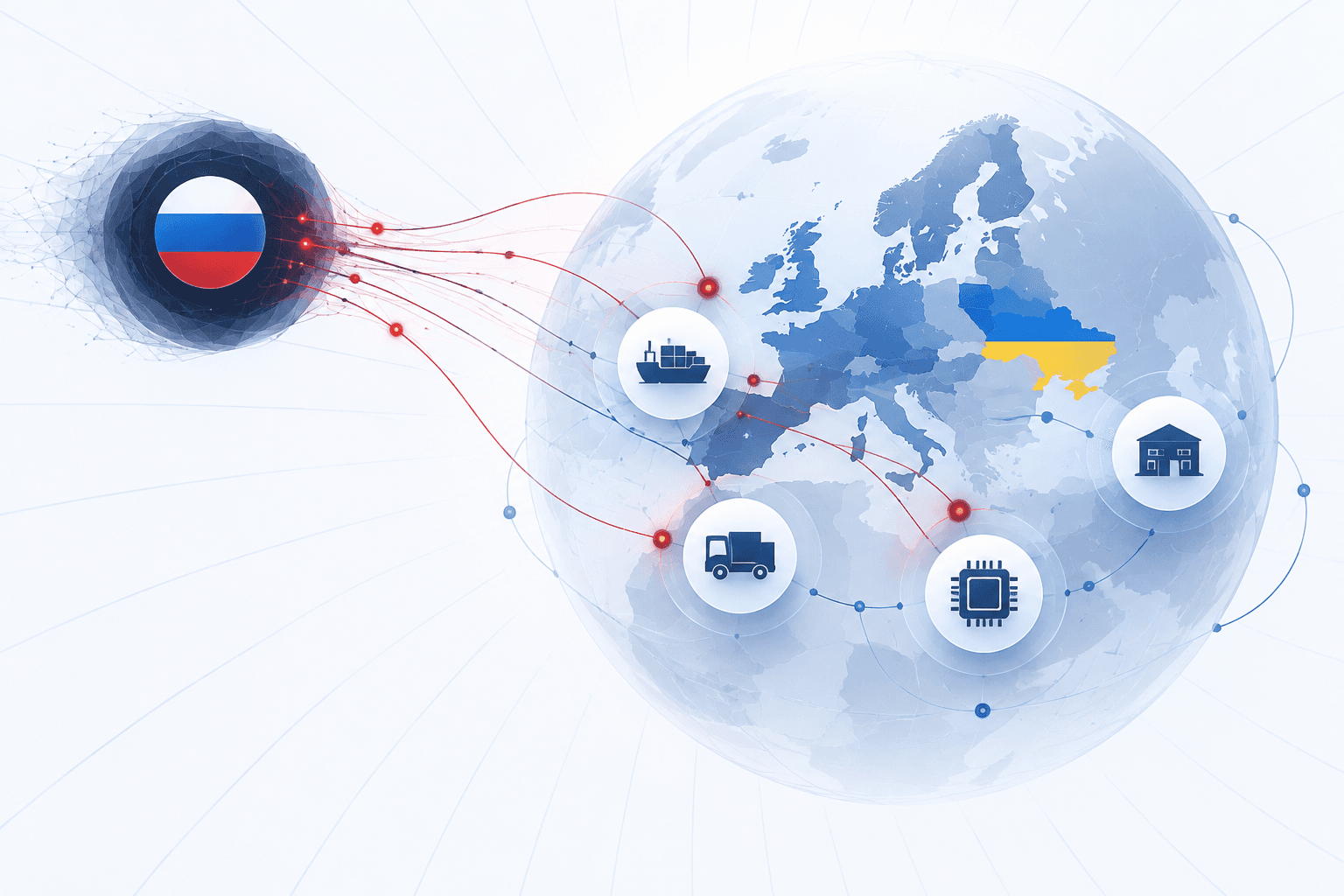
Ukrainian officials warned that Russia-linked hackers are revisiting earlier compromises to regain access to government and defense networks, testing whether old footholds, unpatched vulnerabilities, and previously stolen credentials still work. CERT-UA said the activity reflects a broader shift from smash-and-grab credential theft toward persistent access, with initial intrusion methods also evolving beyond phishing to more tailored social engineering, including phone calls and video chats in fluent Ukrainian before malicious files are delivered through messaging apps. Agencies tied the activity to groups including APT28 and Void Blizzard, with the security and defense sector remaining the top target because disruptions there could affect the war effort.
Ukraine also confirmed a long-running cyber-espionage campaign, tracked since 2023 and attributed by Western researchers to APT28 (Fancy Bear, BlueDelta, Forest Blizzard), that targeted prosecutors, anti-corruption bodies, and other local government entities through Roundcube webmail vulnerabilities enabling code execution when a victim opened an email. Reuters reported that more than 170 email accounts belonging to prosecutors and investigators were compromised in recent months, and CERT-UA identified three waves of related attacks. Officials said some allegedly stolen material was later published online, though reviews indicated the leaks likely did not include confidential data, and warned the operation could still be used to fuel disinformation aimed at eroding trust in Ukrainian institutions.
Why it matters
Impact assessment
APT28 and other Russia-linked operators are sustaining espionage and access-retention operations against Ukrainian government, law enforcement, anti-corruption, and defense-related entities. The impact is high for public-sector and defense organizations because successful compromise enables persistent intelligence collection, follow-on intrusion, and information operations that can undermine wartime decision-making and public trust.
Summary
The exposure is targeted rather than indiscriminate, but it affects high-value institutions and has already resulted in confirmed compromise of more than 170 email accounts tied to Ukrainian prosecutors and investigators. Exploitation in the wild is established: CERT-UA reported repeated campaigns since 2023, three attack waves tied to the same activity, and ongoing attempts to reuse old footholds, unpatched vulnerabilities, and stolen credentials.
Supporting facts
- Primary affected sectors: Ukrainian government, prosecutors, anti-corruption bodies, law enforcement-related entities, armed forces, and broader security and defense organizations.
- Named affected entities: Specialized Anti-Corruption Prosecutor’s Office and Asset Recovery and Management Agency.
- Threat actors named: APT28, Fancy Bear, BlueDelta, Forest Blizzard, and Void Blizzard.
- Reported compromise scope: more than 170 email accounts belonging to prosecutors and investigators in Ukraine.
- Geographic scope: most victims were in Ukraine; some compromised accounts were linked to Romania, Bulgaria, Greece, and Serbia.
- Operational consequences:
- Persistent access to government and defense networks.
- Espionage against prosecutors, investigators, and state agencies.
- Potential reuse of prior compromises for later-stage operations.
- Publication of allegedly stolen material online, with assessed disinformation value even where confidential data was likely not exposed.
- Known exploitation status: active exploitation confirmed by CERT-UA and reporting tied to campaigns tracked since 2023.
- Severity drivers:
- Access to sensitive communications.
- Potential for lateral expansion after reentry.
- Reputational and political harm through selective leaks and disinformation.
- Elevated wartime risk for defense and security institutions.