MacSync macOS Stealer Adds Backdoor and iCloud-Based Delivery
Malware Intelligence · 11 sources · Updated 2mo ago · First seen Sep 24, 2026

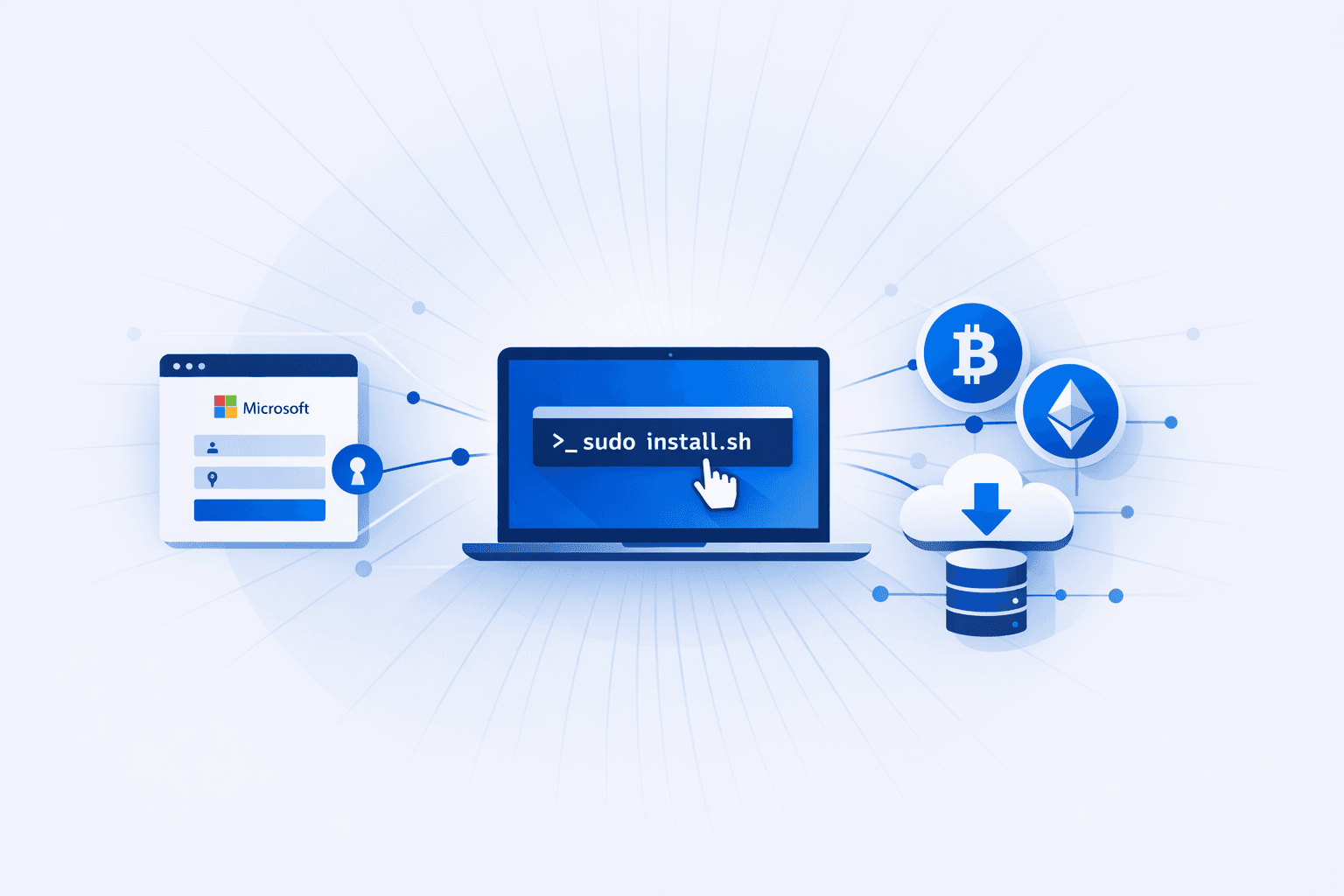
A new MacSync malware-as-a-service campaign targets macOS cryptocurrency users and developers with trojanized DMG applications, binary loaders, and droppers. Originally advertised as Mac.c in 2025, the stealer has progressed from AppleScript payloads to Swift and Objective-C binaries and now uses Apple iCloud Calendar and file-hosting infrastructure to retrieve subsequent payloads.
MacSync collects browser and cryptocurrency-wallet data, credentials, Keychain-related material, Telegram data, cloud and developer configuration files, system details, and shell histories. It persists through LaunchAgents, modified ZSH settings, global Git hooks, Login Items, and restoration scripts while suppressing user notifications; its backdoor can receive C2 tasks to install browser extensions, replace Ledger wallet software, repeat collection, and potentially intercept browser traffic.
Why it matters
Impact assessment
MacSync targets macOS developers, cryptocurrency users, and IT personnel with a mature malware-as-a-service stealer and persistent backdoor. Compromise can expose cryptocurrency assets, browser sessions, administrator credentials, Keychain material, cloud and source-control secrets, and SSH credentials; developer endpoint compromise can also enable downstream source-code, cloud, and software-supply-chain exposure.
- The September 2026 variant was observed in the wild and is delivered through malicious DMGs, fake applications, cracked software, ClickFix lures, and a fictitious Toria cryptocurrency wallet promoted through X and Telegram.
- Exposure spans both Intel and Apple Silicon Macs because core components are universal Fat Mach-O binaries.
- The backdoor enables continued access after initial theft, additional file collection, attacker-supplied AppleScript execution, malicious browser-extension deployment, and replacement of installed Ledger wallet software.
- The campaign suppresses macOS persistence notifications and restores removed components, increasing dwell time and reducing the likelihood of user-driven remediation.
- No victim count is published; observed targeting is focused rather than indiscriminate, but the MaaS distribution model and broad social-engineering delivery create scalable exposure.
Affected populations
- macOS users who install cryptocurrency wallets, free or cracked software, or applications promoted through social media.
- Developers and DevOps personnel with AWS, Kubernetes, Git, SSH, browser-based cloud-console, and source-control credentials on their endpoints.
- Organizations where developer Macs hold production access, signing credentials, wallet keys, or privileged cloud-session tokens.