MacSync macOS Infostealer Using ClickFix-Style Terminal Paste Lure to Steal Cryptocurrency Data
Malware Intelligence · 2 sources · Updated 5mo ago · First seen Jan 23, 2026
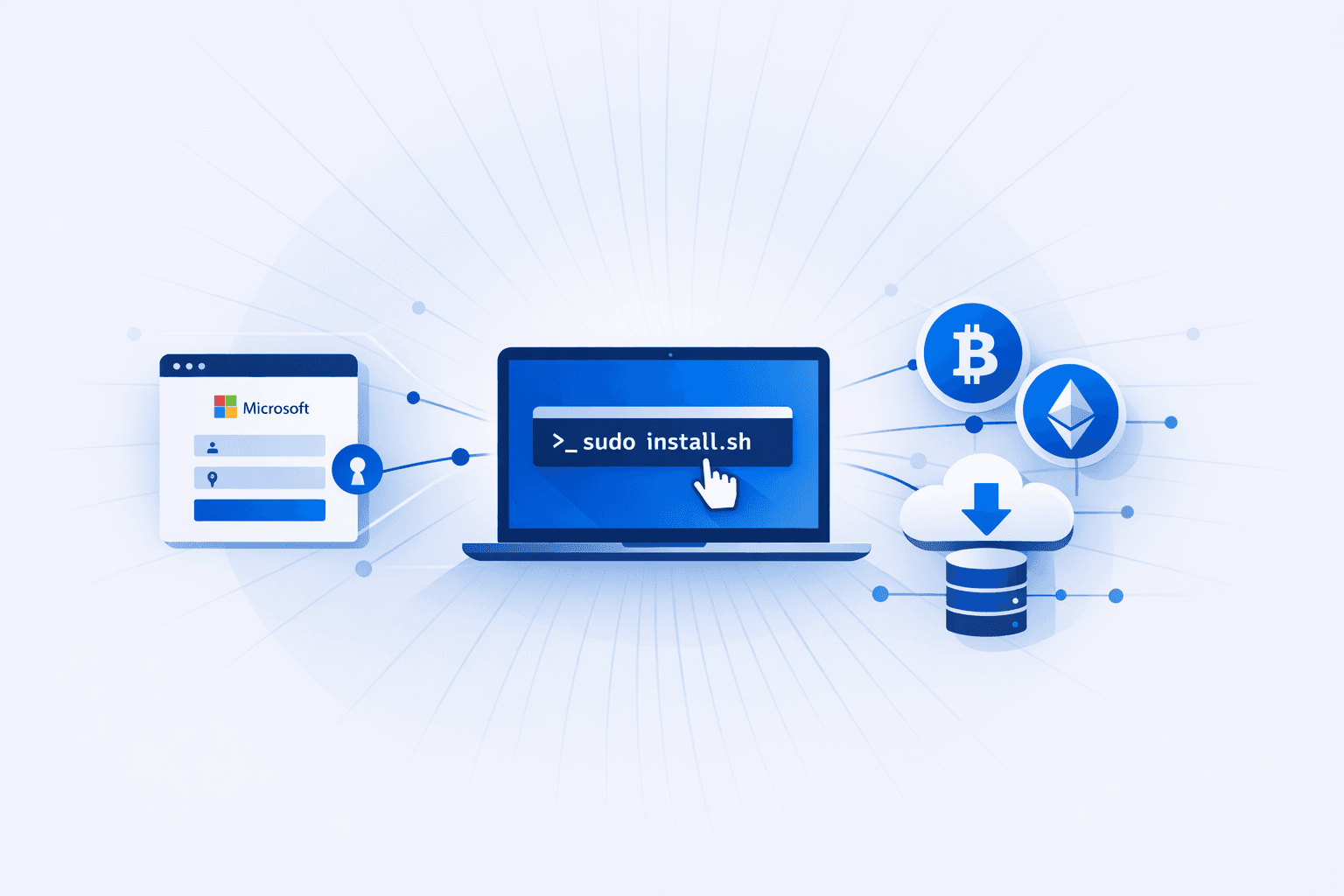
Security researchers reported a macOS infostealer dubbed MacSync being distributed as a low-cost Malware-as-a-Service (MaaS), primarily targeting cryptocurrency users via a ClickFix-style social engineering lure. The campaign uses phishing infrastructure (including domains mimicking Microsoft login pages) to redirect victims to a fake macOS cloud storage installer site that instructs users to “install” by copying and pasting a single Terminal command. This approach relies on user execution rather than a signed app package, allowing the infection chain to bypass macOS protections such as Gatekeeper and notarization.
Technical analysis describes a script-based, multi-stage infection chain: the pasted one-liner fetches a remote script that installs a daemonized Zsh loader which detaches from the Terminal session and runs in the background, then retrieves additional payloads (including AppleScript) to perform data theft. Beyond credential and wallet data harvesting, reporting indicates MacSync can persist and expand impact by trojanizing Electron-based cryptocurrency applications (e.g., Ledger Live and Trezor Suite) by overwriting components to present convincing phishing flows designed to capture PINs and recovery phrases, potentially triggering theft well after the initial compromise.
Why it matters
Impact assessment
MacSync primarily affects macOS users in the cryptocurrency ecosystem, especially individuals and organizations using browser wallet extensions, desktop wallets, Ledger Live, and Trezor Suite. The impact is high because the malware targets wallet seed phrases, private keys, PINs, browser credentials, Keychain data, SSH keys, AWS credentials, and authentication cookies, creating direct risk of cryptocurrency theft, account takeover, cloud compromise, and follow-on intrusion.
The campaign appears targeted but scalable rather than indiscriminate, with phishing infrastructure and rotating command-and-control domains supporting ongoing operations against the macOS crypto community. Researchers describe the activity as active and evolving, and the reporting indicates real-world exploitation through live phishing lures and post-compromise trojanization of wallet applications.
Supporting facts
- Target population: macOS users, with emphasis on cryptocurrency users.
- High-value targets: users of Ledger Live, Trezor Suite, Exodus, Electrum, Bitcoin Core, and wallet browser extensions.
- Data at risk: seed phrases, private keys, PINs, recovery phrases, browser passwords, cookies, Keychain databases, SSH keys, AWS credentials, Apple Notes content.
- Business impact: financial theft, credential compromise, cloud account exposure, persistence for delayed fraud, reputational damage for affected crypto-focused teams.
- Scope: ongoing campaign with multiple lure variants and at least eight rotating C2 domains.
- Exploitation status: activity is described as ongoing in the wild via phishing and social engineering.
- Threat model: low-cost Malware-as-a-Service increases affiliate adoption and broadens potential victim volume.