MacSync Stealer Hijacks Telegram Sessions and Crypto Wallets on macOS
Malware Intelligence · 7 sources · Updated 4mo ago · First seen Jul 15, 2026

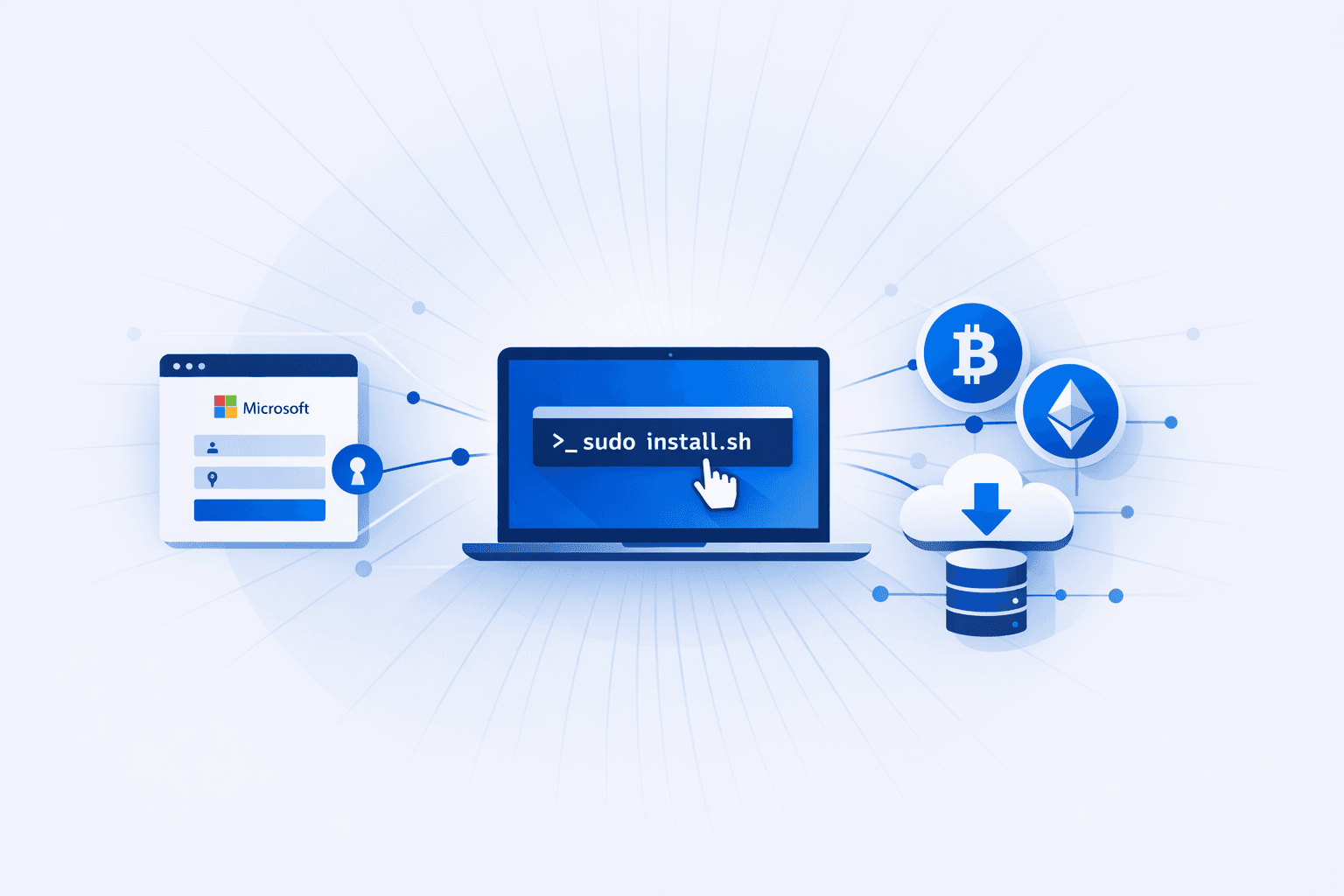
Researchers detailed a macOS malware campaign using ClickFix-style malvertising and fake Claude download lures to deploy MacSync Stealer, an infostealer built to harvest trusted local artifacts rather than rely only on stolen passwords. Victims were redirected from Google ads to spoofed shared Claude chat pages, then tricked into running a Base64-obfuscated shell command that launched multi-stage shell and AppleScript payloads. The malware collected Keychain data, browser credentials, password-manager and wallet extension data, Telegram files, shell histories, cloud keys, Apple Notes content, and selected documents, while also prompting for the macOS password and Full Disk Access; if blocked, it added persistence through ~/.zshrc so it could retry on the next Terminal launch.
The theft enabled direct account and asset compromise. SlowMist found the malware could restore stolen Telegram Desktop and Telegram for macOS session files on another Mac without triggering phone verification or Telegram two-step verification because it reused an already authorized local session. It also targeted 16 wallet applications and 223 wallet-related browser extension IDs, harvesting candidate passwords from multiple sources to decrypt wallet data offline. In a more active phase, the malware removed legitimate Ledger and Trezor apps and replaced them with malicious WebView loaders that displayed attacker-controlled phishing pages to capture recovery phrases. Investigators linked the campaign to multiple malicious domains and Google ad campaign IDs, and published IOCs including IP addresses, URLs, and SHA-256 hashes.
Why it matters
Impact assessment
MacSync Stealer materially impacts macOS users, with highest risk to cryptocurrency holders, Telegram Desktop and Telegram for macOS users, and developer populations storing cloud and SSH secrets locally. The campaign enables direct account takeover and asset theft by reusing trusted local session artifacts, harvesting wallet data for offline decryption, and replacing legitimate wallet applications with phishing loaders.
The impact is severe because compromise can lead to Telegram account hijacking, theft of browser and Keychain credentials, exposure of Apple Notes and documents, loss of cryptocurrency funds, and follow-on compromise of cloud environments through stolen AWS, Kubernetes, and SSH material. Exposure appears targeted through Google malvertising around Claude-related searches rather than indiscriminate worm-like spread, but the lure is broad enough to affect any macOS user searching for Claude downloads.
Known exploitation is in the wild. Zscaler observed the campaign active from 2026-06-12 through 2026-06-19, and SlowMist reproduced Telegram session restoration and wallet compromise behaviors in lab testing.
Affected populations and products
- macOS users executing Terminal commands from fake Claude download lures
- Telegram Desktop users on macOS
- Telegram for macOS users
- Cryptocurrency users with desktop wallets, browser wallet extensions, Ledger Live, Ledger Wallet, or Trezor Suite
- Developers with local SSH keys, AWS credentials, and Kubernetes configuration files
- Users relying on local Keychain, browser-stored credentials, Apple Notes, and saved wallet secrets
Severity and business consequences
- Telegram account takeover without normal login prompts
- Cryptocurrency theft through wallet database theft, offline decryption, and seed-phrase phishing
- Credential theft from browsers, Keychain, and password-manager extensions
- Exposure of sensitive documents and notes
- Potential cloud and infrastructure compromise via stolen ~/.ssh, ~/.aws, and ~/.kube artifacts
- Reputational and financial damage for affected individuals and organizations
Scope and observed activity
- Campaign distributed via Google Ads and abused legitimate claude.ai shared chat links
- Campaign used 22 Google Ads campaign IDs and seven Claude-related search terms
- Infrastructure disguised as ordinary U.S. local business domains
- Researchers assess the campaign was short-lived but operational and successful enough to warrant active response