MacSync macOS Stealer Uses ClickFix Lures to Exfiltrate Credentials
Malware Intelligence · 4 sources · Updated 3mo ago · First seen Sep 8, 2026

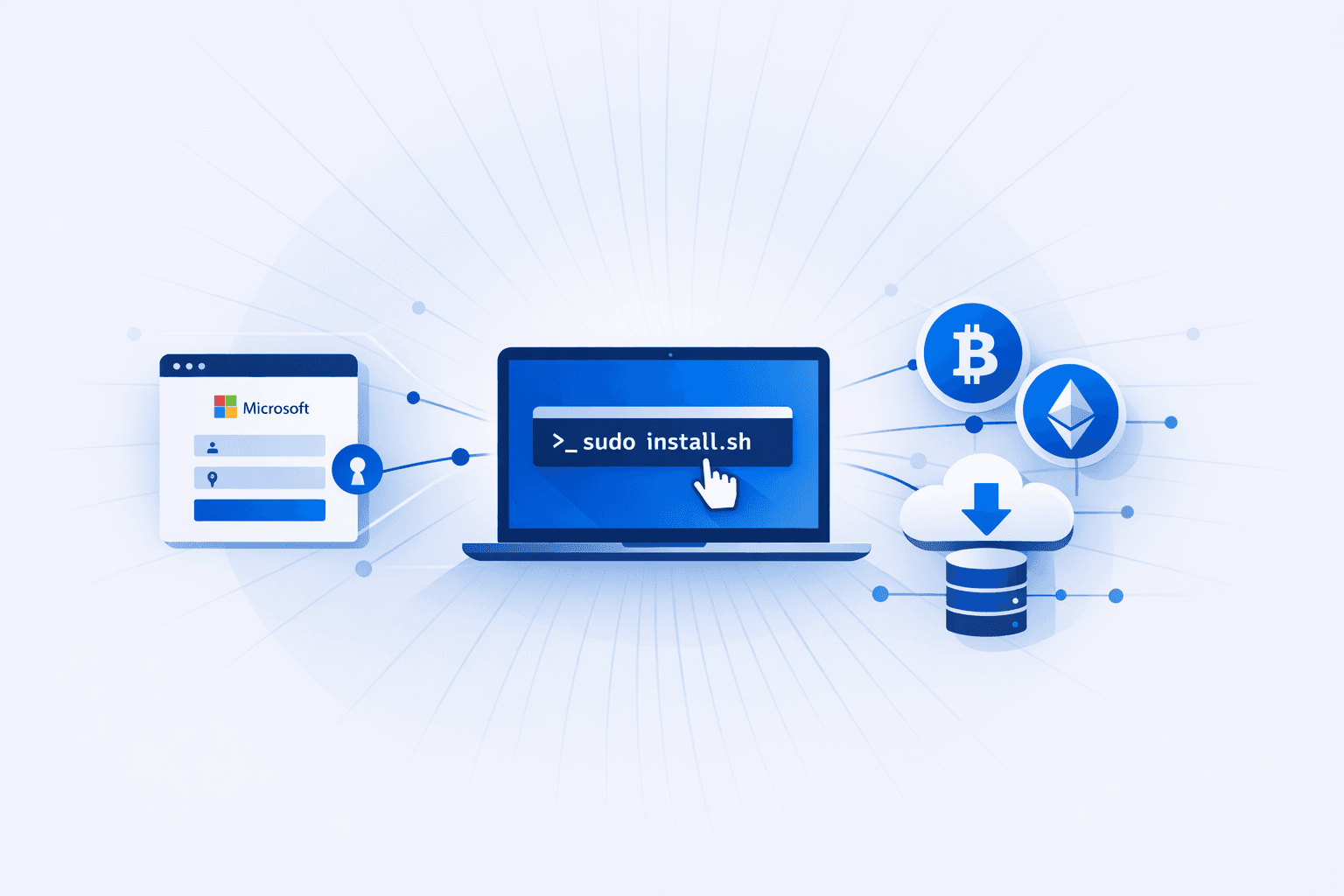
MacSync, a malware-as-a-service macOS stealer and remote-access stager, is being distributed through ClickFix social engineering, SEO poisoning, malvertising, compromised websites, and fake software or AI installers that prompt victims to run Terminal commands. Its native 64-bit Mach-O stager daemonizes itself, XOR-decrypts its configuration, downloads an AppleScript stealer from command-and-control (C2) infrastructure, and executes it in memory through osascript.
The malware targets Keychain records, browser credentials and cookies, SSH keys, messaging sessions, cloud credentials, cryptocurrency wallets, and sensitive files. It archives collected data and exfiltrates it in 10 MB HTTP PUT chunks before deleting local staging artifacts; analyzed samples used drivinguber.com as primary C2 infrastructure and newsinweb.com-derived hosts as fallbacks. Public reporting associates MacSync with the earlier Mac.C Stealer and the developer identity “Mentalpositive,” though Russian-language artifacts do not substantiate attribution to a particular actor, syndicate, or affiliate campaign.
Why it matters
Impact assessment
MacSync exposes macOS users to immediate credential theft, session hijacking, cryptocurrency theft, and follow-on remote access after victims manually run attacker-supplied Terminal commands. Impact is severe for enterprise users because stolen Keychain entries, browser sessions, SSH keys, cloud credentials, and messaging sessions can enable access beyond the initially compromised Mac.
- Affected populations: macOS users searching for AI applications, developer tools, meeting software, productivity software, trading platforms, or cryptocurrency applications; corporate remote workers; software and technology firms; financial services; government and defense contractors; and Web3/cryptocurrency users.
- Delivery is broad and opportunistic through sponsored search results, SEO poisoning, compromised sites, fake installers, and ClickFix pages. Campaign routing selects macOS users for MacSync and has reported detections across the United States, United Kingdom, Germany, Japan, Canada, France, Singapore, Australia, India, the Netherlands, and Nordic countries.
- Consequences include account takeover through browser cookies and active sessions, compromise of cloud and source-code environments through SSH/cloud credentials, theft of wallet assets, exposure of sensitive files, and surveillance if screen-recording access is granted.
- The malware can install a remote-access payload with user-login persistence, creating a continuing intrusion risk after initial credential theft.
- Reporting documents active delivery campaigns and analyzed malware samples, but does not establish a single operator, affiliate, or ClearFake attribution for all MacSync activity.
- No software vulnerability or CVE is involved; infection requires social engineering that causes a user to execute a malicious command in Terminal.